

Your Fridge Still Smells? Try These 20 Easy Ways to Remove Smell from Fridge

If you’re wondering how to remove smell from fridge, these tried-and-tested methods can help. Some remove the source of the smell, while others absorb lingering odors. For the best results, clean your refrigerator first and then use one of these odor absorbers.
20 Best Ways to Remove Smell from Fridge
- Use Baking Soda
- Clean Your Fridge with White Vinegar
- Place Activated Charcoal Inside the Refrigerator
- Use Coffee Grounds to Absorb Bad Smells
- Freshen Your Fridge with Lemon
- Keep a Bowl of Dry Oats in the Refrigerator
- Use an Activated Carbon Refrigerator Deodorizer
- Remove Spoiled and Expired Food Regularly
- Deep-Clean the Refrigerator with Warm Soapy Water
- Clean the Drain Hole and Door Gasket
- Dry the Refrigerator Thoroughly After Cleaning
- Store Food in Airtight Containers
- Check Your Refrigerator Every Week
- Use Unscented Cat Litter as an Odor Absorber
- Place a Bowl of Apple Cider Vinegar Inside
- Use Fresh Orange Peels for a Natural Fresh Scent
- Freeze Strong-Smelling Foods Like Fish and Meat
- Keep Your Refrigerator at the Right Temperature
- Use Refrigerator Deodorizer Gel Packs
- Deodorize the Freezer Too
Read: 10 Best 5 Star Refrigerator in India
Best Natural Odor Absorbers
1. Baking Soda
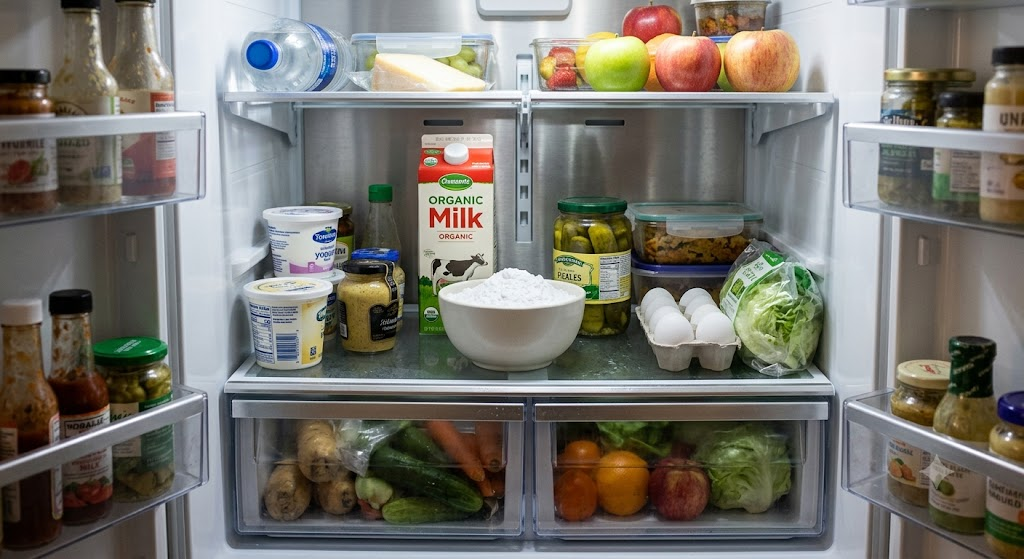
Baking soda is one of the most effective and affordable ways to remove refrigerator odors. It neutralizes acidic and alkaline odor molecules instead of simply masking them.
How to use:
- Fill a small open bowl with baking soda.
- Place it on the middle shelf.
- Replace it every 30 days.
Best for: Everyday refrigerator odors.
2. White Vinegar
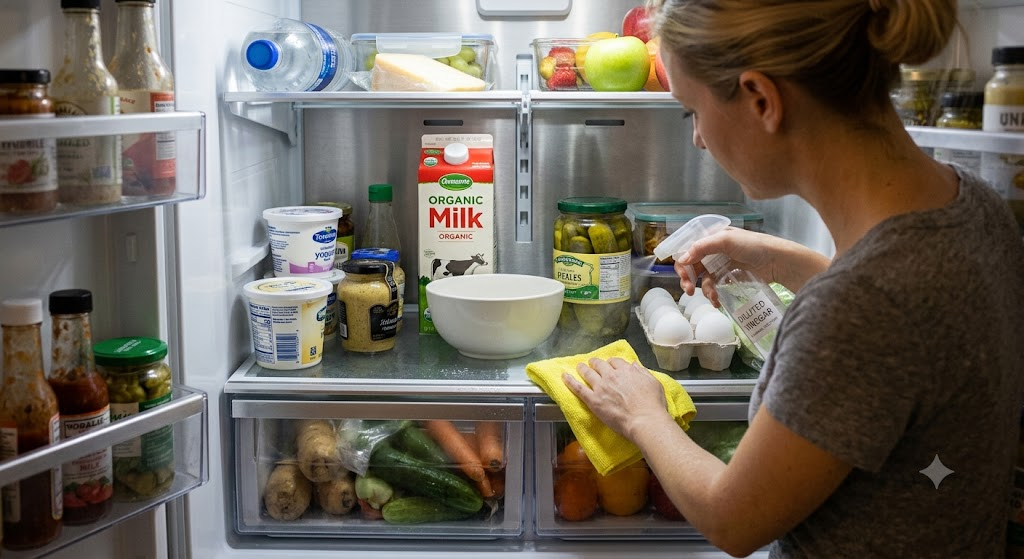
White vinegar helps kill odor-causing bacteria and removes sticky food residue.
How to use:
- Mix equal parts white vinegar and warm water.
- Wipe all shelves, walls, drawers, and door seals.
- Dry the refrigerator thoroughly.
3. Activated Charcoal
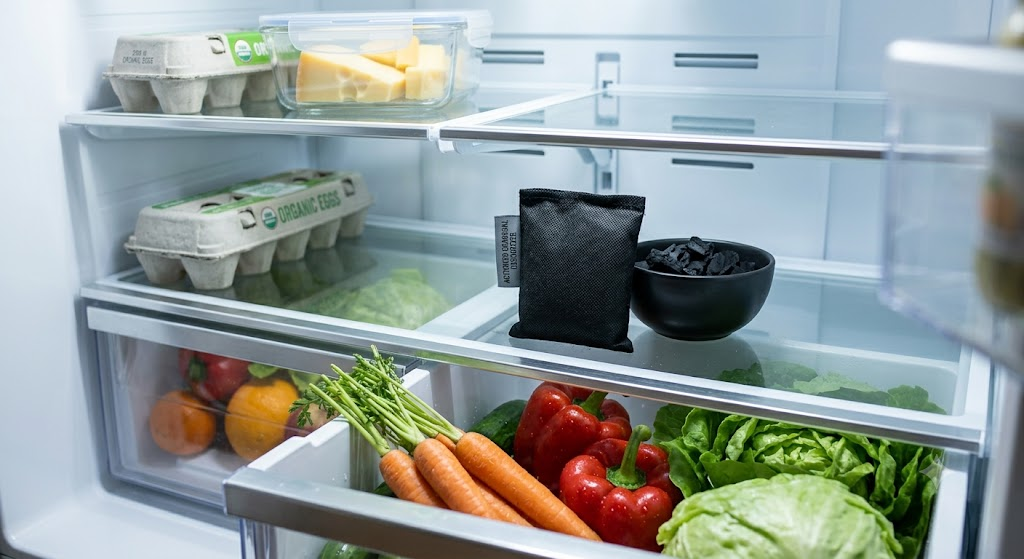
Activated charcoal is highly porous and absorbs strong odors more effectively than most home remedies.
How to use:
- Place a pouch or bowl of activated charcoal inside the fridge.
- Leave it for several days.
- Replace according to the manufacturer’s instructions.
4. Coffee Grounds
Dry coffee grounds absorb mild odors and leave a pleasant coffee aroma.
How to use:
- Dry used coffee grounds completely.
- Place them in an open bowl.
- Replace every week.
5. Fresh Lemon
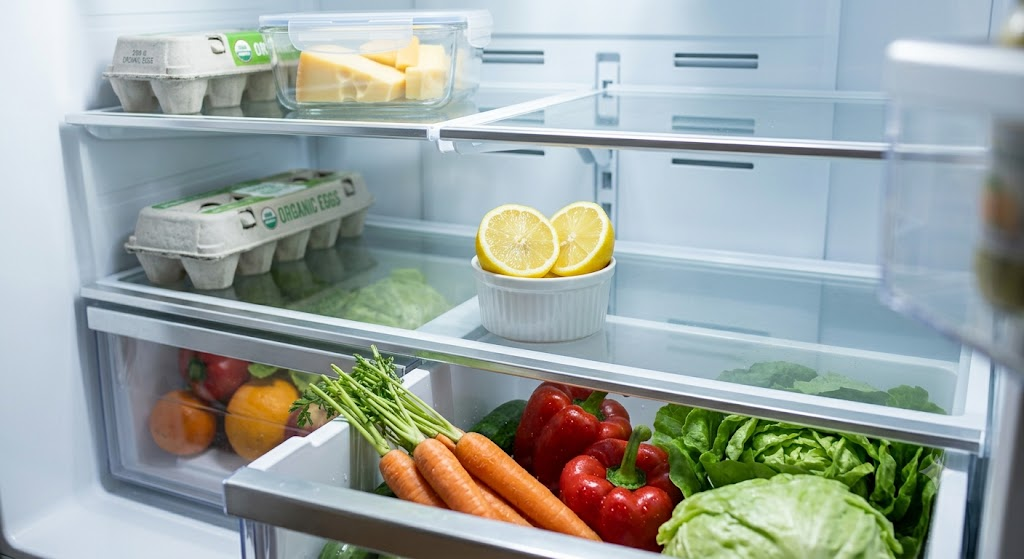
Lemon adds a fresh citrus scent after deep cleaning.
How to use:
- Cut a lemon in half.
- Place it in a small bowl inside the refrigerator.
- Replace every 3–4 days.
Best for: Keeping a freshly cleaned refrigerator smelling pleasant.
6. Oats
Dry oats can absorb moisture and light odors naturally.
How to use:
- Fill a small bowl with plain oats.
- Place it inside the refrigerator for a few days.
- Replace once it becomes damp.
Best for: Light refrigerator odors.
7. Activated Carbon Refrigerator Deodorizers
Many reusable refrigerator deodorizers use activated carbon and last much longer than baking soda.
How to use:
- Place the deodorizer on a shelf.
- Follow the manufacturer’s replacement schedule.
Best for: Busy households that want a low-maintenance solution.
Cleaning and Maintenance
8. Deep Clean with Warm Soapy Water
Sometimes the smell comes from dried food residue rather than the air inside the fridge.
How to use:
- Wash removable shelves and drawers with warm water and mild dish soap.
- Rinse and dry completely before reinstalling.
Best for: Sticky spills and old food stains.
9. Clean the Drain Hole and Drain Pan
Food particles and standing water can create unpleasant smells.
How to use:
- Flush the drain hole with warm water.
- Clean the drain pan if your refrigerator model allows easy access.
- Wipe everything dry.
Best for: Persistent odors that return after cleaning.
10. Air Out the Refrigerator
Fresh air helps remove trapped odors after cleaning.
How to use:
- Switch off the refrigerator.
- Leave the doors open for 30–60 minutes.
- Restart only after the interior is completely dry.
Best for: Mild lingering smells.
11. Store Food in Airtight Containers
Sometimes the easiest way to remove odors from fridge is to stop them from spreading.
How to use:
- Store leftovers in airtight containers.
- Seal fish, meat, onions, garlic, and curries properly.
- Label leftovers with the storage date.
Best for: Preventing odor transfer.
12. Remove Expired Food Regularly
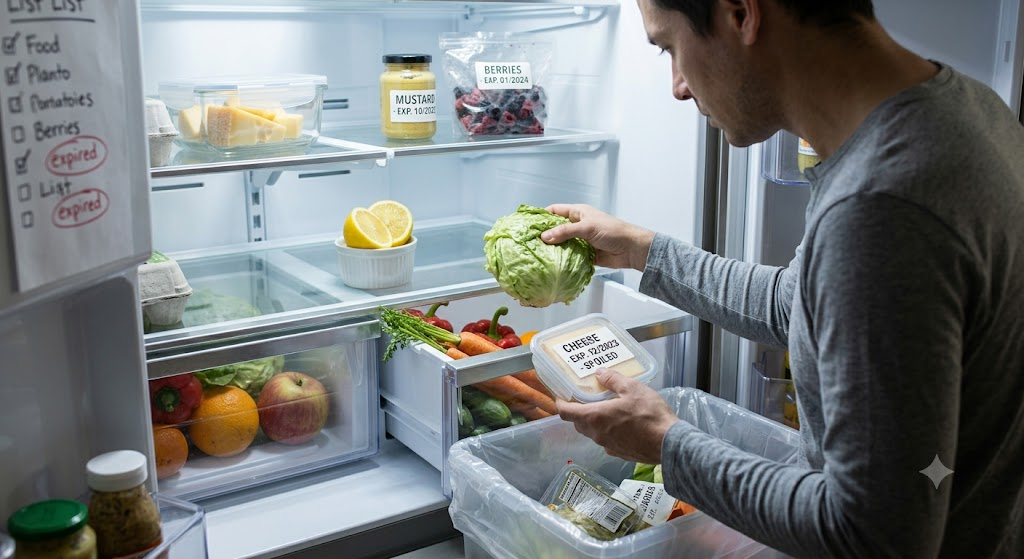
The most common cause of refrigerator odors is forgotten food.
How to use:
- Check the refrigerator once a week.
- Throw away expired sauces, vegetables, dairy products, and leftovers.
- Wipe shelves after removing spoiled items.
Best for: Preventing bad smells before they start.
13. Deodorize the Freezer Too
Many people clean only the refrigerator compartment and forget the freezer. However, strong odors from frozen fish, meat, or old ice cubes can spread throughout the appliance.
How to use:
- Remove all frozen food.
- Throw away old or freezer-burned items.
- Clean the freezer with a mixture of warm water and baking soda.
- Dry the freezer completely before switching it back on.
- Replace old ice cubes, as they can absorb unpleasant odors over time.
Best for: Eliminating odors that keep returning even after cleaning the refrigerator compartment.
Extra tips and prevention
14. Place Apple Cider Vinegar in a Bowl
Apple cider vinegar can help absorb mild odors while also reducing bacteria on nearby surfaces.
How to use:
- Pour half a cup of apple cider vinegar into a small bowl.
- Place it inside the fridge overnight.
- Remove it the next day.
Best for: Light food odors after cleaning.
15. Use Fresh Orange Peels
Orange peels leave behind a fresh citrus fragrance and help reduce mild odors naturally.
How to use:
- Place fresh orange peels in a small bowl.
- Replace them every 2–3 days.
Best for: Freshening up a clean refrigerator.
16. Freeze Strong-Smelling Foods
Instead of storing raw fish, prawns, or meat in the refrigerator for several days, freeze them if you don’t plan to cook them soon.
How to use:
- Store seafood or meat in airtight freezer bags.
- Freeze immediately if not using within 24 hours.
Best for: Preventing fish and meat odors.
17. Keep the Refrigerator at the Right Temperature
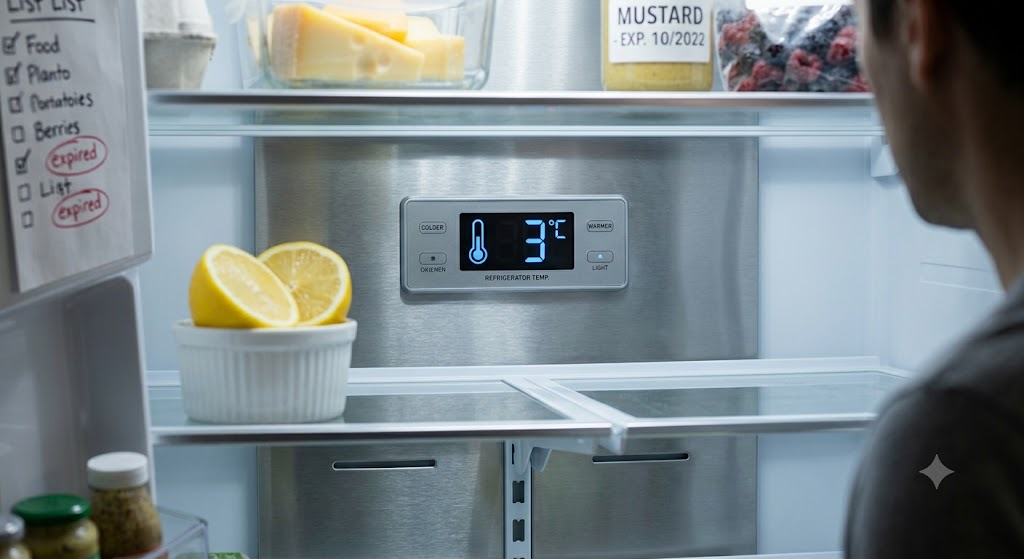
Food spoils faster if your refrigerator isn’t cold enough.
Recommended temperature:
- Refrigerator: 1°C to 4°C
- Freezer: -18°C
Keeping the correct temperature slows bacterial growth and helps prevent unpleasant smells.
Best for: Long-term odor prevention.
18. Use Refrigerator Deodorizer Gel Packs
Commercial refrigerator deodorizer gel packs are widely available and are designed to absorb odors for several weeks.
How to use:
- Place the gel pack according to the manufacturer’s instructions.
- Replace it when it expires.
Best for: Busy households that prefer a ready-to-use solution.
19. Keep Raw and Cooked Food Separate
Cross-contamination can create unpleasant odors and increase the risk of food spoilage.
How to use:
- Store raw meat and seafood on the bottom shelf.
- Keep cooked food on the upper shelves.
- Always use sealed containers.
Best for: Better hygiene and odor prevention.
20. Clean the Refrigerator Exterior and Door Handles
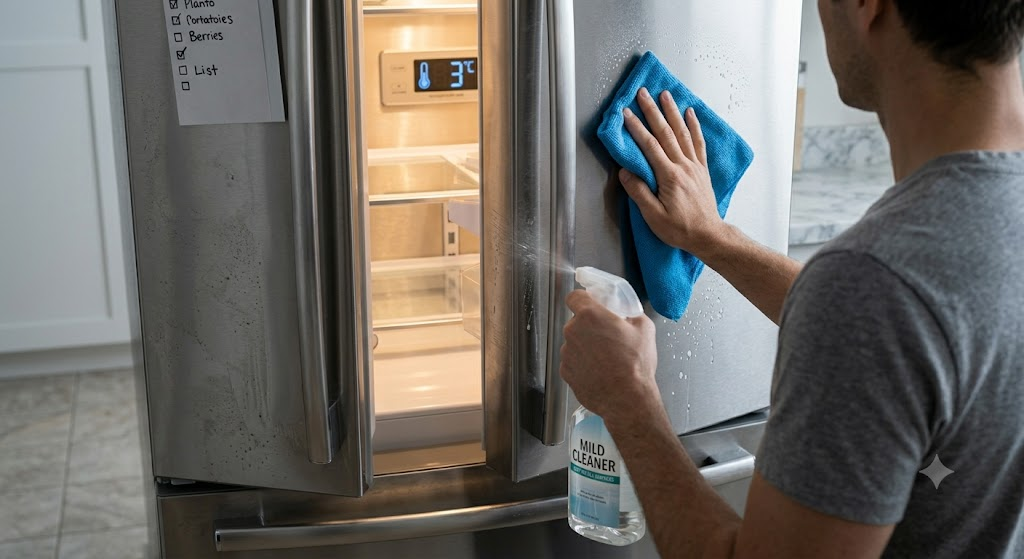
Food residue on door handles and around the exterior can also produce unpleasant smells over time.
How to use:
- Wipe the exterior with warm water and mild dish soap.
- Dry with a microfiber cloth.
Best for: Overall kitchen hygiene.
Bonus Tip: Install a Refrigerator Air Purifier
Some premium refrigerators include built-in deodorizing filters or air purification systems. If your model supports one, replace the filter as recommended by the manufacturer. You can also buy aftermarket refrigerator air purifiers that use activated carbon or ion technology.
Best for: Large families and refrigerators used heavily every day.
Which Method Works Best?
| Method | Effectiveness | Best For |
|---|---|---|
| Baking Soda | ⭐⭐⭐⭐⭐ | Everyday odors |
| Activated Charcoal | ⭐⭐⭐⭐⭐ | Strong smells and seafood |
| White Vinegar | ⭐⭐⭐⭐☆ | Cleaning surfaces |
| Coffee Grounds | ⭐⭐⭐⭐☆ | Mild odors |
| Lemon | ⭐⭐⭐☆☆ | Fresh scent after cleaning |
| Oats | ⭐⭐⭐☆☆ | Light odors |
| Activated Carbon Deodorizer | ⭐⭐⭐⭐⭐ | Long-term odor control |
| Warm Soapy Water | ⭐⭐⭐⭐⭐ | Food spills |
| Drain Hole Cleaning | ⭐⭐⭐⭐⭐ | Hidden odor sources |
| Airing Out the Fridge | ⭐⭐⭐⭐☆ | Lingering smells |
| Airtight Containers | ⭐⭐⭐⭐⭐ | Odor prevention |
| Removing Expired Food | ⭐⭐⭐⭐⭐ | Eliminating the root cause |
Other Points consider to remove smell from fridge
1. Remove Spoiled Food
The first step in how to remove odors from fridge is to eliminate the source of the smell. Even a small piece of spoiled fruit or an old container of leftovers can make your entire refrigerator smell unpleasant. Before cleaning, inspect every shelf and drawer carefully.
Check for:
- Expired dairy products
- Rotten fruits and vegetables
- Old leftovers
- Leaking food containers
- Spoiled meat or seafood
2. Deep-Clean the Refrigerator with Warm Soapy Water and Baking Soda
Once you’ve removed spoiled food, give your refrigerator a thorough cleaning. Wash all removable shelves and drawers with warm water and mild dish soap. Then wipe the interior using a solution of baking soda and warm water. This helps remove stains, grease, bacteria, and lingering odors without using harsh chemicals.
Cleaning solution:
- 2 tablespoons baking soda
- 1 litre of warm water
3. Clean the Drain Hole and Door Gasket
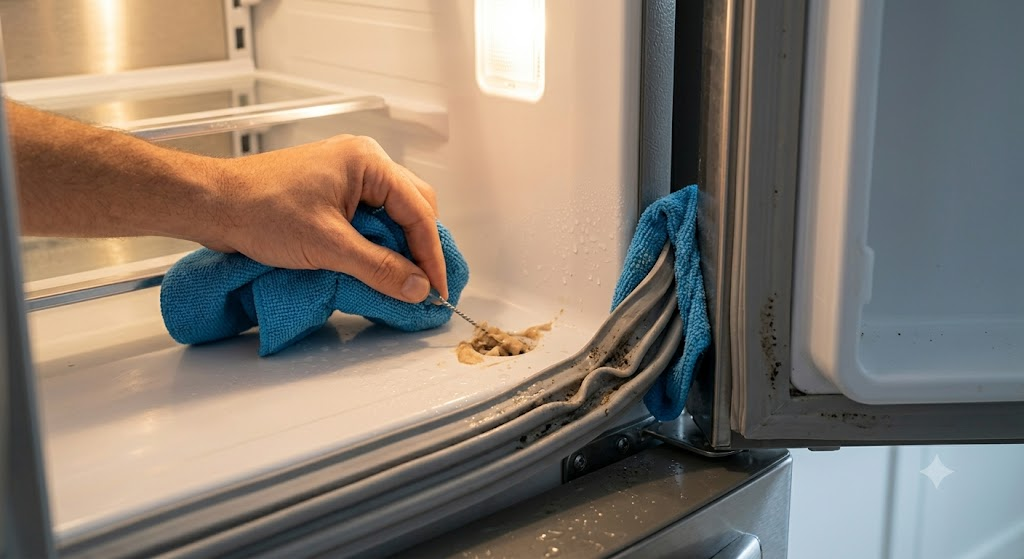
Many bad smells come from places people often forget to clean. Food particles and moisture can collect in the drain hole and around the rubber door gasket, creating the perfect environment for bacteria and mould.
Use a soft brush or cotton swab to clean these areas carefully.
Pay special attention to:
- Drain hole
- Rubber door gasket
- Shelf corners
- Vegetable drawer tracks
4. Dry the Refrigerator Thoroughly
After cleaning, don’t rush to put everything back. Dry all shelves, drawers, and the inside of the refrigerator with a clean microfiber cloth. Leaving moisture behind can encourage mould growth and cause unpleasant odors to return.
Make sure every corner is completely dry before restarting the refrigerator.FA
5. Place Activated Charcoal or Baking Soda Inside
After cleaning, place an odor absorber inside the refrigerator to keep it smelling fresh. Baking soda neutralizes odors, while activated charcoal absorbs strong smells from foods like fish, onions, and garlic.
For best results:
- Place an open bowl of baking soda on a middle shelf, or
- Use a pouch of activated charcoal.
- Replace the odor absorber every month.
6. Store All Food in Airtight Containers
Open bowls and uncovered leftovers allow odors to spread throughout the refrigerator. Using airtight containers keeps food fresh for longer and prevents smells from mixing.
Always store these foods in sealed containers:
- Leftover curries
- Fish and meat
- Dairy products
- Cut fruits
- Chopped vegetables
Choose BPA-free plastic or glass containers with tight-fitting lids for the best results.
7. Check Your Refrigerator Every Week for Expired Items
A weekly refrigerator check takes just a few minutes but can prevent most odor problems. Remove expired food, wipe up any spills, and reorganize items so older food gets used first. This simple habit keeps your refrigerator fresh and hygienic throughout the year.
During your weekly inspection:
- Check expiry dates.
- Remove spoiled fruits and vegetables.
- Throw away old leftovers.
- Clean small spills immediately.
- Replace baking soda if it’s been over a month.
FAQs
Q. Why does my fridge smell bad?
A fridge usually smells bad because of spoiled food, forgotten leftovers, food spills, mould, or a clogged drain hole. Strong-smelling foods like fish, onions, garlic, and curries can also leave lingering odors if they are not stored in airtight containers. Cleaning the refrigerator regularly and removing expired food helps prevent bad smells.
Q. How to remove smell from fridge naturally?
To remove odors from your fridge naturally:
- Throw away spoiled or expired food.
- Clean the interior with a baking soda and warm water solution.
- Dry the refrigerator completely.
- Place an open bowl of baking soda or activated charcoal inside to absorb odors.
- Store food in airtight containers to stop smells from spreading.
These natural methods are safe, affordable, and effective for most refrigerator odors.
Q. What is the fastest way to remove bad smell from a refrigerator?
The fastest way is to remove the source of the odor first. Empty the fridge, discard spoiled food, clean all shelves with a baking soda solution, dry the interior, and place activated charcoal or fresh baking soda inside. Mild odors often disappear within a few hours, while stronger smells may take 24–48 hours.
Q. How long does it take to remove smell from fridge?
Most refrigerator odors disappear within a few hours after deep cleaning. However, stubborn smells from spoiled meat, seafood, or long power outages may take one to three days. Using activated charcoal or baking soda can speed up the process.
Q. Is a bad-smelling fridge dangerous?
A bad smell itself isn’t harmful, but it often indicates spoiled food, bacteria, or mould inside the refrigerator. If left untreated, these can contaminate fresh food and affect food safety. It’s best to identify the source of the smell and clean the refrigerator thoroughly.
Q. Can fridge odors affect the taste of food?
Yes. Uncovered foods such as milk, butter, cheese, cakes, and fruits can absorb strong odors from foods like fish, onions, garlic, or leftover curries. Storing food in airtight containers helps prevent odor and flavor transfer.
Q. Why does my fridge still smell after cleaning?
If your fridge still smells after cleaning, the odor source may be hidden. Check the drain hole, drain pan, rubber door gasket, vegetable drawer, and any forgotten food containers. Persistent odors can also be absorbed by plastic shelves and may require another deep cleaning.
Q. Does baking soda really remove fridge odors?
Yes. Baking soda neutralizes odor-causing molecules instead of simply masking them. It is one of the most effective and inexpensive ways to keep a refrigerator smelling fresh. Replace the baking soda every 30 days for the best results.
Q. Is vinegar or baking soda better for removing fridge odors?
Both are useful but serve different purposes. White vinegar is excellent for cleaning surfaces and removing sticky residue, while baking soda is better at absorbing and neutralizing lingering odors. Using vinegar for cleaning followed by baking soda as an odor absorber gives the best results.
Q. What foods commonly cause bad smells in the fridge?
Foods that commonly cause refrigerator odors include:
- Fish and seafood
- Raw meat
- Onions and garlic
- Leftover curries
- Milk and dairy products
- Eggs
- Overripe fruits
- Rotten vegetables
- Pickles stored in leaking containers
Keeping these foods sealed in airtight containers helps prevent odors.
Q. How often should I clean my refrigerator?
You should wipe up spills immediately, check for expired food every week, and deep-clean your refrigerator at least once a month. Regular cleaning prevents odor buildup and keeps your food fresh.
Q. Can I use lemon to remove fridge smell?
Yes. Lemon leaves a fresh citrus fragrance and helps reduce mild odors. However, it works best after you’ve cleaned the refrigerator because it mainly freshens the air rather than eliminating the source of the smell.
Q. Why does my fridge smell after a power cut?
During a power outage, food may spoil if the refrigerator stays warm for several hours. Spoiled food releases strong odors that can linger even after power is restored. Remove any unsafe food, clean the refrigerator thoroughly, and place baking soda or activated charcoal inside to absorb remaining smells.
Q. How can I prevent bad odors in my fridge?
To prevent bad odors:
- Store food in airtight containers.
- Remove expired food every week.
- Clean spills immediately.
- Keep raw meat and seafood sealed.
- Place baking soda or activated charcoal inside the refrigerator.
- Deep-clean the fridge once a month.
- Avoid overloading the refrigerator so air can circulate properly.
Q. When should I call a refrigerator technician for a bad smell?
If you’ve removed spoiled food, deep-cleaned the refrigerator, and the smell still persists, there may be an appliance issue such as a clogged drain pan, mould behind internal panels, a damaged door seal, or an electrical fault. If you notice a burning, chemical, or gas-like smell, unplug the refrigerator immediately and contact an authorized service technician.
Conclusion
Removing bad smells from your refrigerator is simple when you tackle the source of the odor. Throw away spoiled food, deep-clean the fridge, use natural odor absorbers like baking soda or activated charcoal, and store food in airtight containers.
To keep your refrigerator fresh, check for expired items every week, clean spills immediately, and deep-clean the appliance once a month. If the odor persists after cleaning, inspect the drain hole, door gasket, and drain pan, or contact a service technician if needed. With regular maintenance, your refrigerator will stay clean, hygienic, and odor-free.
Recommended Reading:
- The Ultimate Refrigerator Buying Guide
- 10 Best Refrigerator Under 20000 in India 2026
- How to Remove Odors from Fridge
- 10 Best 5 Star Refrigerator in India (2026)
Sourabh researches and writes about home appliances, kitchen appliances, and common appliance problems to help readers make informed buying decisions. He covers mixer grinders, refrigerators, air conditioners, washing machines, and appliance troubleshooting.
At ReviewSpot, Sourabh compares manufacturer specifications, product features, warranty information, pricing, and customer feedback to turn technical appliance information into practical buying advice. His goal is to help readers understand their options, avoid costly mistakes, and choose products that fit their needs and budget.
ReviewSpot distinguishes manufacturer information, customer feedback, and editorial analysis, and does not describe products as hands-on tested unless they have actually been tested.