Which Home Appliances Consume the Most Electricity? Save on Your Power Bill

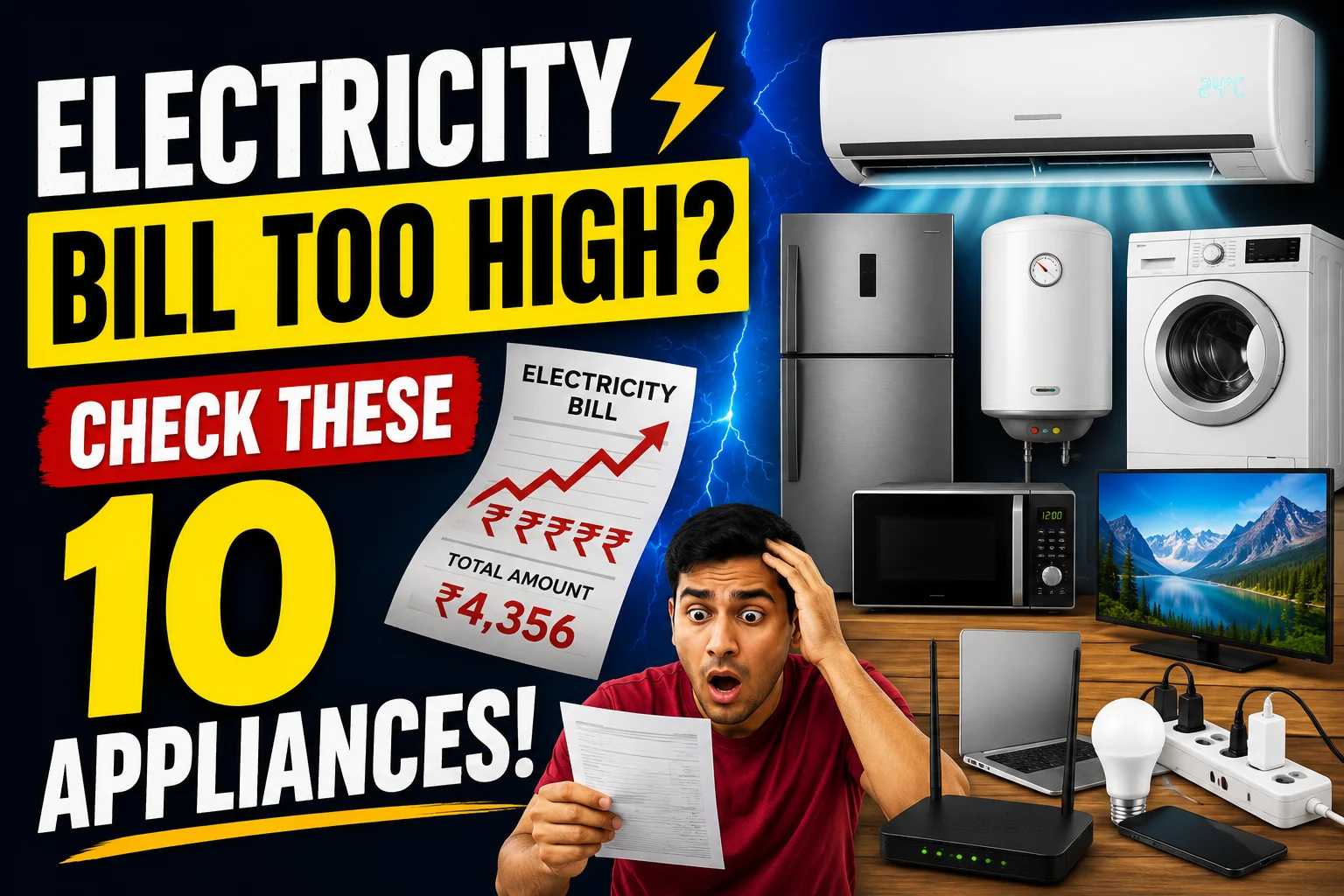
Wondering Which Home Appliances Consume the Most Electricity in your home? From air conditioners and refrigerators to water heaters and washing machines, some appliances can significantly increase your monthly power bill. Knowing which appliances use the most energy can help you make smarter choices and reduce unnecessary electricity consumption.
Most people immediately blame the air conditioner. While ACs do consume a lot of electricity, they are not always the biggest reason behind a shocking power bill. In many Indian homes, several everyday appliances quietly consume more electricity than people realize.
The surprising part is that some of these appliances that consume more electricity even when you are not actively using them.
A Shocking Electricity Bill? Your Appliances Might Be the Reason
Last month, a family in Mumbai was surprised when their electricity bill crossed ₹4,500. They hadn’t bought a new AC, refrigerator, or any major appliance.
After checking their home, they discovered the problem wasn’t just one appliance. Their old refrigerator, a geyser that stayed on for hours, and several chargers left plugged in throughout the day were quietly increasing their electricity usage.
If your electricity bill seems higher than usual, you may be facing the same problem. Some of the biggest power consumers in Indian homes are often the appliances we use every day without thinking twice about them.
Which Appliance Consumes the Most Electricity?
Many people assume the refrigerator is the biggest electricity consumer because it runs 24 hours a day. Surprisingly, that’s not always true.
In most Indian homes, the air conditioner and geyser are usually the largest contributors to electricity bills. A single AC running every night during summer can consume more electricity in a month than several smaller appliances combined.
Here’s a rough idea of what some common appliances may add to your monthly electricity bill:
| Appliance | Estimated Monthly Cost* |
|---|---|
| Air Conditioner | ₹1,000 – ₹4,000+ |
| Geyser | ₹300 – ₹1,500 |
| Refrigerator | ₹200 – ₹800 |
| Washing Machine | ₹100 – ₹500 |
| Water Pump | ₹100 – ₹700 |
| Television & Set-Top Box | ₹50 – ₹300 |
Which Home Appliances Consume the Most Electricity
1. Refrigerator

Your refrigerator works 24 hours a day, 365 days a year. Unlike most appliances, it never gets a day off.
A refrigerator with dirty condenser coils, damaged door seals, or poor ventilation has to work harder to maintain cooling. This extra effort increases electricity consumption.
If your fridge is more than 10 years old, it could be using significantly more power than newer energy-efficient models.
Tip: Clean the back coils regularly and avoid opening the fridge door too often.
2. Air Conditioner
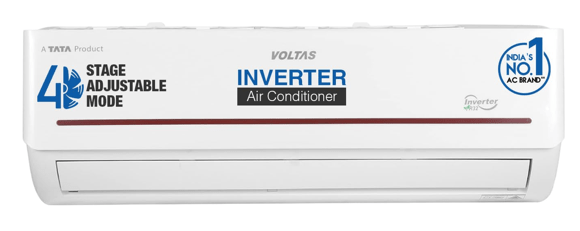
This one is obvious, but many people don’t realize how small mistakes can make an AC consume much more electricity.
Setting the temperature to 18°C instead of 24°C forces the compressor to work continuously. Dirty filters also reduce efficiency and increase power usage.
Many households run their AC for 8 to 10 hours every night during summer without realizing the impact on monthly bills.
Tip: Keep the temperature between 24°C and 26°C for better energy savings.
3. Electric Water Heater (Geyser)
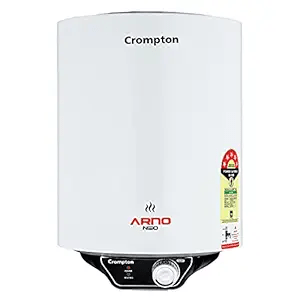
The geyser is one of the biggest electricity consumers in Indian homes, especially during winter.
Many families switch it on and forget about it. Even a 15 to 20-minute extra usage every day can noticeably increase monthly electricity costs.
The larger the storage capacity, the more electricity it may consume. Tip: Use a timer or switch off the geyser once the water is heated.
Understanding wattage can help you estimate the running cost of almost any household appliance.
4. Water Pump
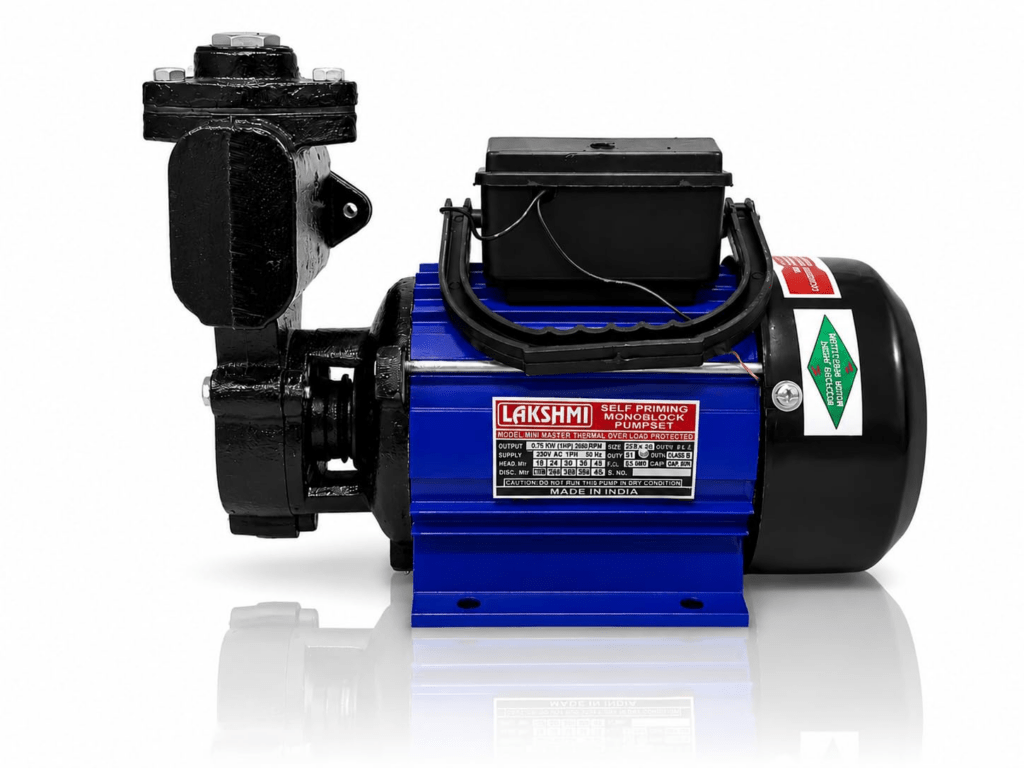
Most people rarely think about their water pump when checking electricity usage.
A faulty motor, leaking pipes, or running the pump longer than necessary can waste a surprising amount of electricity.
In many homes, the pump continues running even after the tank is full because nobody notices it.
Tip: Install an automatic water level controller if possible.
5. Washing Machine
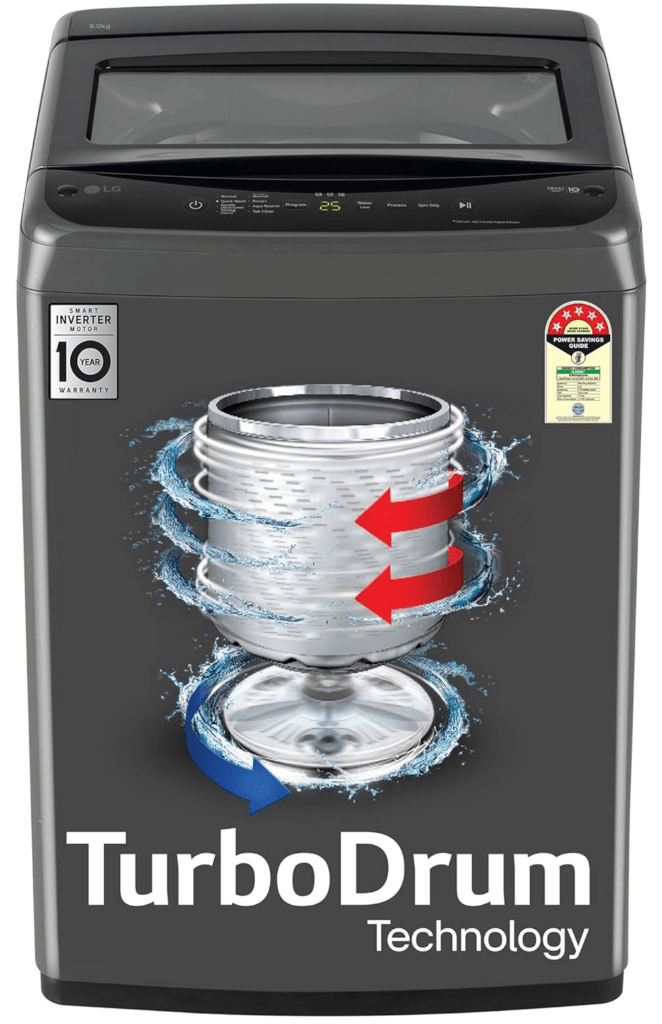
A washing machine may not seem expensive to run, but frequent usage can add up quickly.
Using hot water cycles, washing very small loads, or running multiple cycles daily increases electricity consumption.
Families with children often run the machine almost every day without realizing the cumulative impact.
Tip: Wash full loads whenever possible and use eco modes if available.
6. Television and Set-Top Box
Here’s something many people overlook.
Even when switched off using the remote, many TVs and set-top boxes remain in standby mode. They continue drawing electricity in the background.
The amount may seem small, but over months and years, standby power can contribute to higher electricity bills.
Tip: Turn off the main power switch when the TV is not in use.
7. Microwave Oven
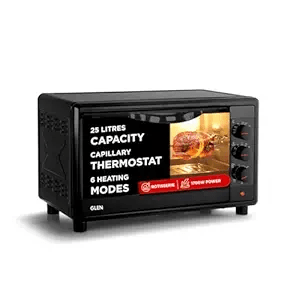
Most households use the microwave for only a few minutes at a time. However, frequent reheating throughout the day can increase electricity usage.
Many modern microwaves also display clocks and remain partially active even when not cooking.
Tip: Avoid repeatedly reheating small portions throughout the day.
8. Desktop Computer and Gaming Setup

With work-from-home and online gaming becoming common, computers have become major electricity users.
A desktop computer typically consumes more power than a laptop. Add a large monitor, speakers, printer, and Wi-Fi router, and the electricity usage becomes even higher.
Tip: Enable sleep mode and switch off devices completely when not needed.
9. Clothes Iron
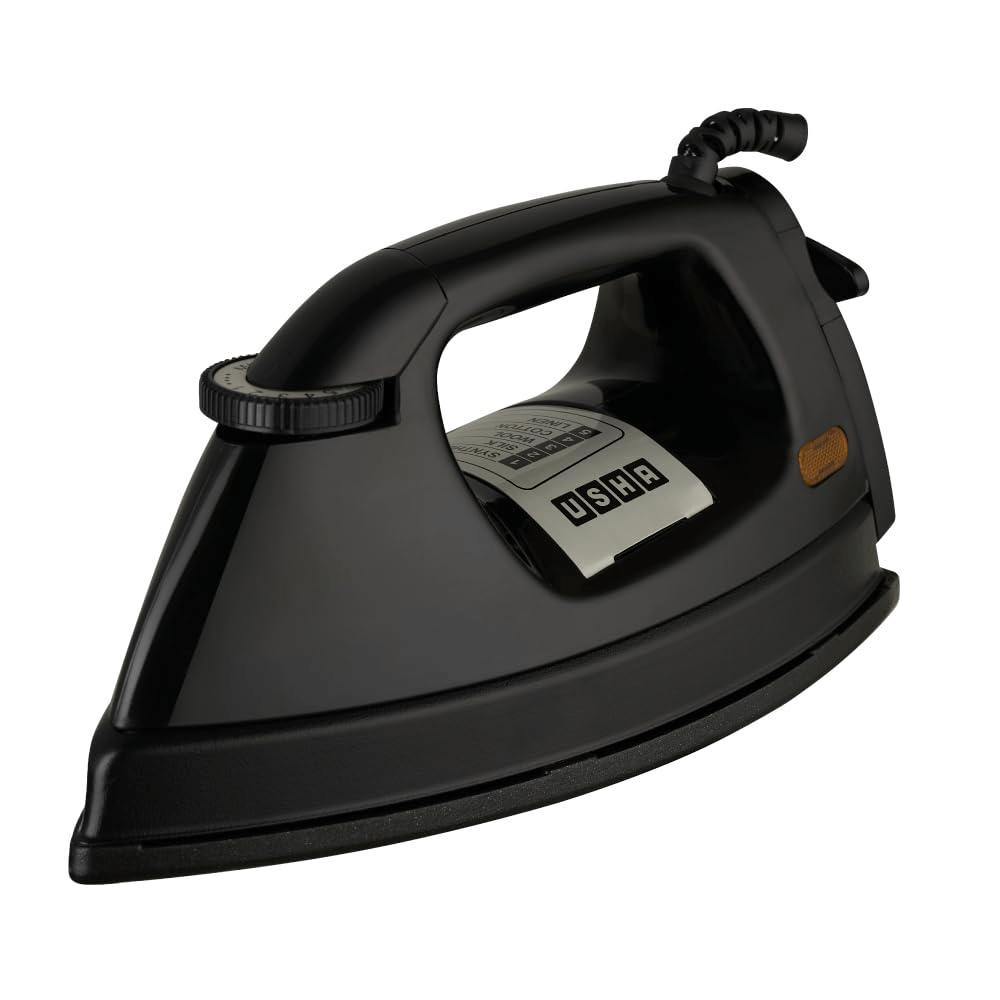
Ironing clothes may seem like a small task, but electric irons consume a lot of power in a short time.
Many people iron a few clothes every day. Reheating the iron repeatedly throughout the week uses more electricity than doing one larger ironing session.
A steam iron can consume considerable power during regular ironing, so choosing the right wattage is worth considering.
Tip: Iron multiple clothes together instead of using the iron daily.
10. Electric Kettle
Electric kettles can also draw relatively high power because their heating elements typically operate at high wattage, so choosing the right kettle can matter if you use it frequently.
10. Chargers and Appliances Left Plugged In
This may sound unbelievable, but chargers, smart speakers, Wi-Fi routers, and other devices can continue consuming electricity even when not actively used.
This is known as “phantom power” or “vampire power.”
A single charger won’t affect your bill much. However, when several devices remain plugged in throughout the year, the wasted electricity becomes noticeable.
Tip: Unplug chargers and unused devices whenever possible.
5 Common Mistakes That Increase Electricity Bills in Indian Homes
Sometimes, the appliance isn’t the problem. The way we use it can make a huge difference.
Here are some common habits that may be increasing your electricity bill:
- Running the AC at 18°C throughout the night.
- Keeping the geyser switched on for hours.
- Opening the refrigerator door repeatedly.
- Running the washing machine with only a few clothes.
- Leaving chargers, routers, and set-top boxes plugged in 24/7.
These habits may seem harmless, but together they can add hundreds of rupees to your monthly electricity bill.
Signs Your Appliances Are Increasing Your Electricity Bill
You don’t need special equipment to identify potential problems. Watch for these warning signs:
- Electricity bill suddenly increases without any major lifestyle changes
- Refrigerator feels unusually hot from the sides
- AC takes longer to cool the room
- Geyser remains switched on for long periods
- Water pump runs more frequently than before
- Appliances are more than 8 to 10 years old
- Devices remain plugged in 24/7
If you notice multiple signs, one or more appliances could be consuming extra electricity.
Simple Ways to Reduce Electricity Consumption
The good news is that you don’t need to stop using your appliances.
A few smart habits can make a big difference:
- Clean appliances regularly
- Turn off standby devices
- Use energy-efficient settings
- Service ACs and refrigerators on time
- Replace old appliances with energy-efficient models
- Unplug unused chargers
- Use appliances only when needed
Even small changes can help lower your monthly electricity bill. Choosing the right appliance from the beginning can reduce both electricity consumption and maintenance costs.
Quick Check: Which Home Appliances Consume the Most Electricity
- Is your refrigerator more than 10 years old?
- Do you leave chargers plugged in even when they’re not in use?
- Do you run your AC below 22°C regularly?
- Does your geyser stay switched on for long periods?
- Do you use a desktop computer for several hours every day?
If you answered “Yes” to three or more questions, your household could be consuming more electricity than necessary.
Did You Know?
An old refrigerator can consume significantly more electricity than a modern energy-efficient model. Similarly, an air conditioner that hasn’t been serviced for a year may use more power while delivering less cooling.
Small issues often go unnoticed, but they can quietly add hundreds or even thousands of rupees to your annual electricity expenses.
Frequently Asked Questions
Q. Which home appliance consumes the most electricity?
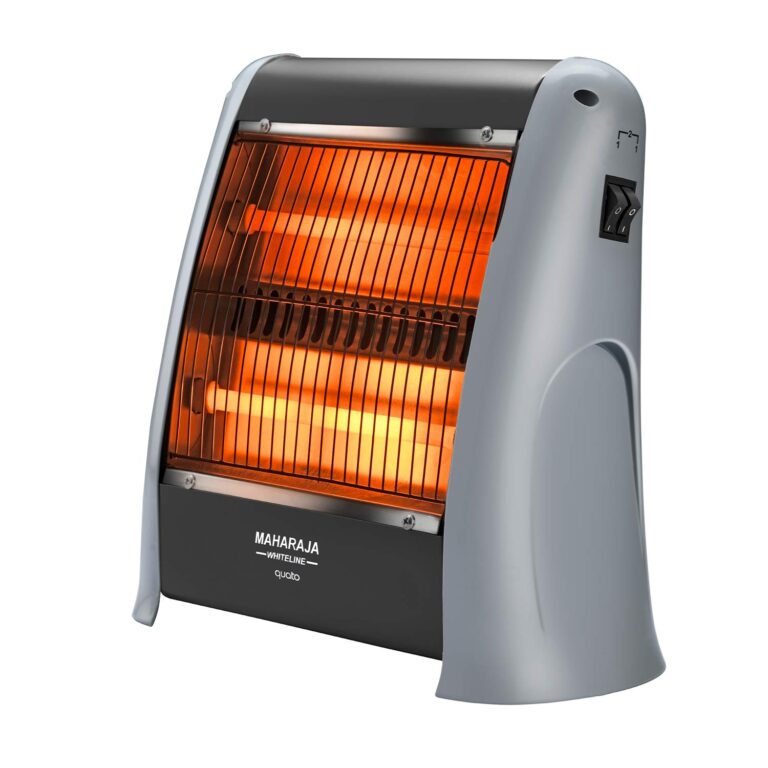
Air conditioners, electric water heaters, space heaters, and clothes dryers are among the highest electricity-consuming home appliances.
Q. What appliance uses the most electricity in a home?
An air conditioner can be one of the biggest electricity users, especially when it runs for several hours each day.
Q. Does a refrigerator use a lot of electricity?
A refrigerator uses electricity continuously because it operates throughout the day, although modern energy-efficient models generally consume less power.
Q. Which appliances increase electricity bills the most?
Air conditioners, water heaters, electric heaters, clothes dryers, and ovens can significantly increase electricity bills.
Q. How can I reduce electricity consumption at home?
Use energy-efficient appliances, avoid unnecessary standby power, maintain appliances regularly, and reduce the operating time of high-energy appliances.
Q. Does leaving appliances on standby use electricity?
Yes. Many electronic devices continue to consume a small amount of electricity while on standby. Unplugging unused devices can help reduce energy waste.
Final Thoughts
Many people blame rising electricity tariffs when they receive a high power bill. While electricity rates do matter, household appliances often play a bigger role than expected.
Your refrigerator, geyser, water pump, washing machine, and even small devices sitting quietly in the corner could be adding more to your bill than you realize.
The next time your electricity bill arrives, don’t just look at the total amount. Take a closer look at the appliances you use every day. You might discover that the real culprit has been hiding in plain sight all along.
Recommended Reading:
- 10 Best Inverters for Home Use in India
- 5 Best Rowenta Steam Irons in India for 2026
- 10 Best Inverter AC in India 2026
- 10 Best Mixer Grinder for Home Use in India 2026
Sourabh researches and writes about home appliances, kitchen appliances, and common appliance problems to help readers make informed buying decisions. He covers mixer grinders, refrigerators, air conditioners, washing machines, and appliance troubleshooting.
At ReviewSpot, Sourabh compares manufacturer specifications, product features, warranty information, pricing, and customer feedback to turn technical appliance information into practical buying advice. His goal is to help readers understand their options, avoid costly mistakes, and choose products that fit their needs and budget.
ReviewSpot distinguishes manufacturer information, customer feedback, and editorial analysis, and does not describe products as hands-on tested unless they have actually been tested.