Mixer Grinder Gasket Replacement: How to Fix Leaks and Replace a Worn-Out Gasket

A mixer grinder is one of the most frequently used appliances in any kitchen. Over time, however, some small parts wear out and start causing problems. One such component is the mixer grinder gasket. If you’ve noticed water leaking from the jar, difficulty in grinding, or unusual vibrations, a damaged gasket could be the reason.
The good news is that mixer grinder gasket replacement is usually inexpensive and can be done at home without professional help. In this guide, you’ll learn what a gasket does, signs that it needs replacement, and step-by-step instructions for replacing it.
What Is a Mixer Grinder Gasket?
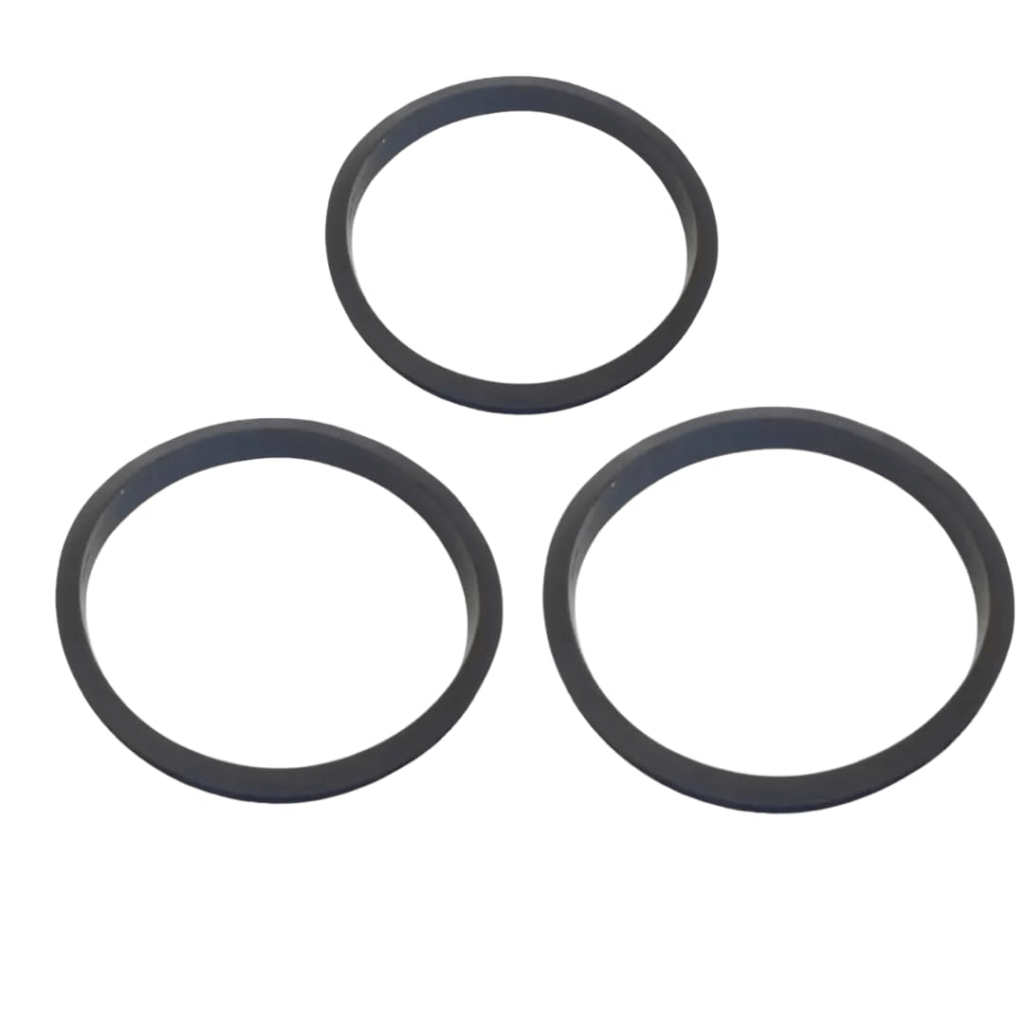
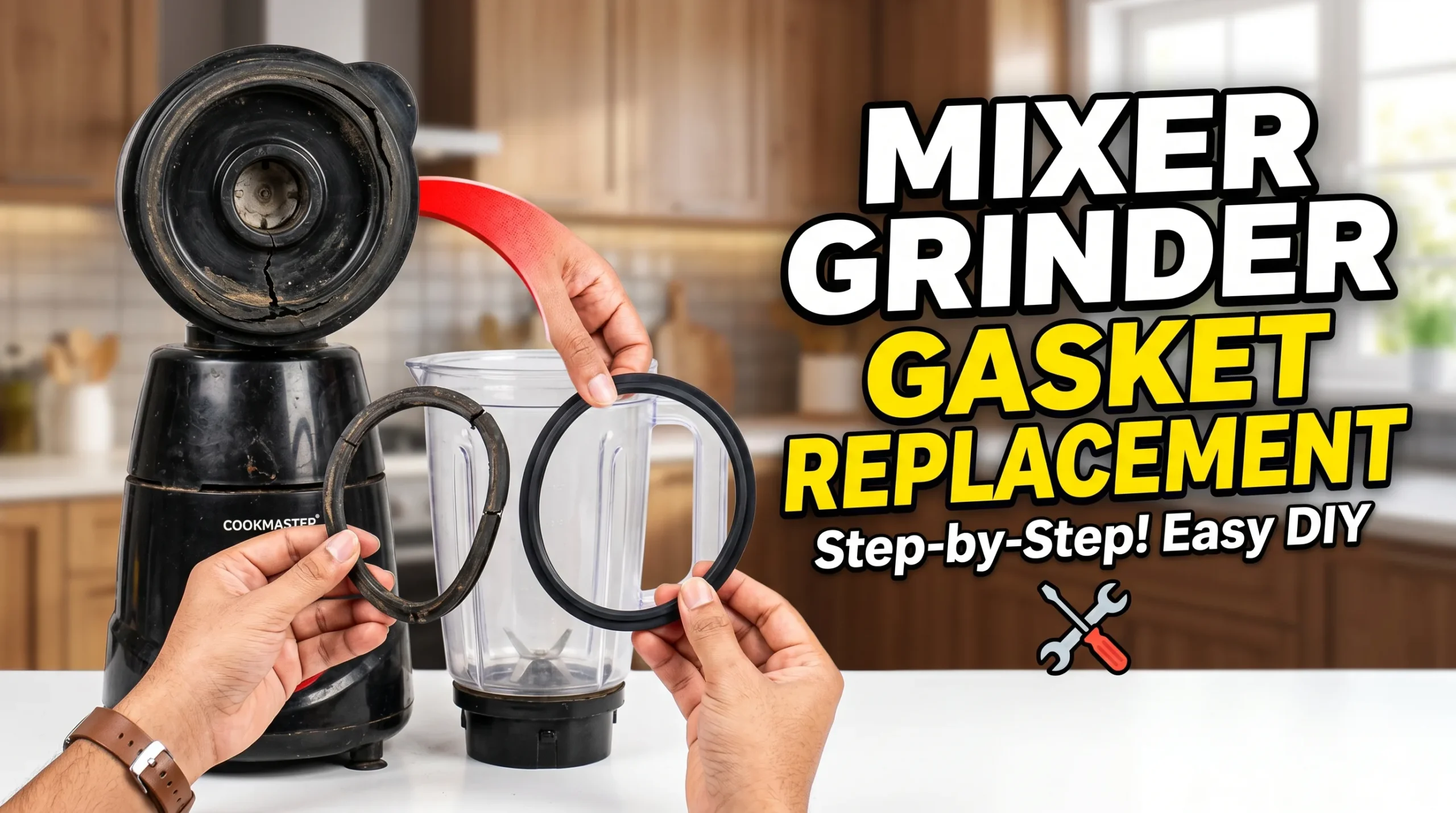
A gasket is a rubber or silicone ring located between the mixer grinder jar and the blade assembly. Its primary purpose is to create a tight seal and prevent liquids from leaking during operation.
Without a properly functioning gasket:
- Water and liquids may leak from the jar.
- Grinding efficiency can decrease.
- The blade assembly may become loose.
- Internal components can be damaged by moisture.
Although it is a small part, the gasket plays a crucial role in the overall performance of your mixer grinder. The gasket is just one of several important components. Understanding the parts of a mixer grinder explained can help you diagnose appliance issues more effectively.
Signs Your Mixer Grinder Gasket Needs Replacement
A worn-out gasket often shows clear warning signs. Watch for these common symptoms:
1. Liquid Leakage from the Jar
If water, juice, or chutney starts leaking from the bottom of the jar during operation, the gasket may be cracked, loose, or damaged. If leakage is accompanied by a burning smell, check these reasons why a mixer grinder smells like burning after a few minutes of use.
2. Visible Cracks or Wear
Inspect the gasket closely. Over time, rubber can become brittle and develop cracks.
3. Loose Blade Assembly
A damaged gasket may prevent the blade assembly from fitting tightly, causing wobbling during grinding.
4. Reduced Grinding Performance
Leaks can affect the grinding process and create unnecessary strain on the motor.
5. Hard or Deformed Rubber
A healthy gasket should be flexible. If it feels hard, flattened, or misshapen, it’s time for a replacement.
Common Causes of Gasket Damage
Several factors can shorten the lifespan of a mixer grinder gasket:
- Regular wear and tear
- Frequent exposure to hot liquids
- Improper cleaning methods
- Use of harsh detergents
- Excessive tightening of the blade assembly
- Poor-quality replacement parts
Most gaskets last between 1 and 3 years depending on usage and maintenance. Sometimes poor grinding performance may be caused by common mixer grinder blade problems rather than a faulty gasket.
How to Choose the Right Replacement Gasket
Before buying a new gasket, make sure it is compatible with your mixer grinder model.
Check These Factors:
- Brand compatibility (Philips, Prestige, Sujata, Bajaj, etc.)
- Jar size compatibility
- Material quality
- Original or genuine spare part availability
Using the wrong gasket size may result in continued leakage and poor performance. Frequent part failures may indicate it’s time to learn how to choose the right mixer grinder for long-term reliability.
Tools Required for Gasket Replacement
In most cases, you only need:
- A replacement gasket
- Clean cloth
- Mild detergent
- Warm water
Some mixer grinder models may require a wrench or jar opener tool to remove the blade assembly.
Step-by-Step Mixer Grinder Gasket Replacement
Replacing a gasket is usually a simple process that takes less than 15 minutes. Before disassembling your appliance, it helps to understand how a mixer grinder works internally.
Step 1: Unplug the Mixer Grinder
Always disconnect the appliance from the power source before performing any maintenance.
Step 2: Remove the Jar
Detach the jar from the mixer grinder base and place it on a clean surface.
Step 3: Remove the Blade Assembly
Turn the jar upside down and carefully unscrew the blade assembly according to the manufacturer’s design.
Step 4: Take Out the Old Gasket
Remove the old gasket from its groove. If it is stuck, gently lift it using your fingers.
Step 5: Clean the Area
Use warm water and a cloth to remove any residue, food particles, or dirt around the gasket seating area.
Step 6: Install the New Gasket
Place the new gasket into the groove carefully.
Make sure:
- It sits evenly.
- It is not twisted.
- It fits snugly in place.
Step 7: Reassemble the Blade Unit
Secure the blade assembly back onto the jar.
Do not overtighten, as excessive pressure can damage the new gasket.
Step 8: Test for Leaks
Fill the jar with water and run the mixer grinder for a few seconds.
If no leakage occurs, the replacement was successful.
Tips to Extend Gasket Life
Proper maintenance can significantly increase gasket lifespan.
Clean After Every Use
Wash the jar thoroughly to prevent food residue buildup.
Avoid Hot Water Immediately After Grinding
Extreme temperature changes can weaken rubber components.
Do Not Use Harsh Chemicals
Strong cleaning agents may cause the gasket material to deteriorate faster.
Inspect Regularly
Check the gasket every few months for signs of wear.
Store Properly
Keep the jar dry when not in use.
When Should You Replace a Mixer Grinder Gasket?
Replace the gasket immediately if:
- Leakage becomes frequent.
- Cracks are visible.
- The rubber has hardened.
- Grinding performance is affected.
- The gasket no longer forms a proper seal.
Ignoring gasket problems can eventually lead to motor damage and costly repairs.
Frequently Asked Questions
How much does a mixer grinder gasket cost?
Most replacement gaskets cost between ₹20 and ₹150 depending on the brand and model.
Can I replace a mixer grinder gasket myself?
Yes. In most cases, gasket replacement is a simple DIY task that requires no technical skills.
How often should I replace the gasket?
For regular household use, replacement every 1–3 years is common.
Why is my mixer grinder leaking even after replacing the gasket?
Possible reasons include:
- Incorrect gasket size
- Improper installation
- Damaged blade assembly
- Cracks in the jar
Are silicone gaskets better than rubber gaskets?
Silicone gaskets generally offer better heat resistance and durability, but compatibility with your mixer grinder model is important.
Final Thoughts
A damaged gasket may seem like a minor issue, but it can lead to leaks, poor grinding performance, and even motor damage if ignored. Fortunately, mixer grinder gasket replacement is one of the easiest and most affordable maintenance tasks you can perform.
By replacing a worn-out gasket promptly and following proper maintenance practices, you can keep your mixer grinder running smoothly, prevent leaks, and extend the life of your appliance. A small investment in a new gasket today can save you from much larger repair costs in the future.
Related Posts:
- How much watt mixer grinder is good for home? Expert Guide to Choosing the Right Power
- Mixer Grinder Maintenance Checklist: Easy Tips to Prevent Costly Repairs
- Why Mixer Grinder Not Grinding Properly? 12 Easy Fixes That Actually Work
- Why Is My Mixer Grinder Vibrating Too Much? (11 Causes + Easy Fixes)
Sourabh researches and writes about home appliances, kitchen appliances, and common appliance problems to help readers make informed buying decisions. He covers mixer grinders, refrigerators, air conditioners, washing machines, and appliance troubleshooting.
At ReviewSpot, Sourabh compares manufacturer specifications, product features, warranty information, pricing, and customer feedback to turn technical appliance information into practical buying advice. His goal is to help readers understand their options, avoid costly mistakes, and choose products that fit their needs and budget.
ReviewSpot distinguishes manufacturer information, customer feedback, and editorial analysis, and does not describe products as hands-on tested unless they have actually been tested.