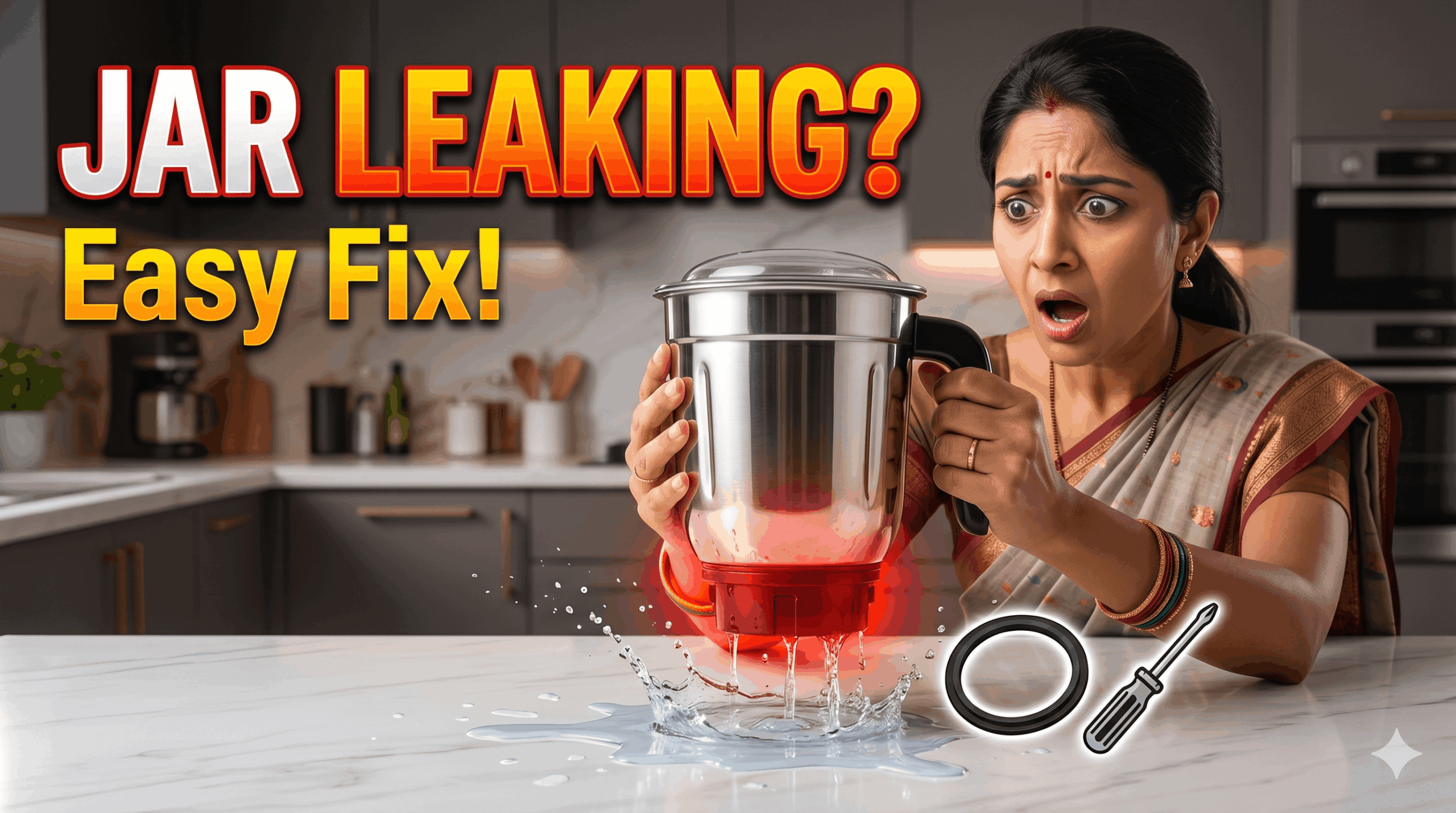
Mixer Grinder Jar Leaking From Bottom? Here’s Every Solution You Actually Need

You’ve just poured the chutney batter into the jar, locked it on the mixer grinder, hit the switch and within 30 seconds, you notice it. A thin trickle of green liquid making its way down the jar, dripping onto your counter, and heading suspiciously close to the motor base.
It always happens at the worst time when you’re in the middle of making coconut chutney for guests, or grinding the dosa batter that’s been soaking since last night. And the frustrating thing is, it’s rarely obvious why it’s leaking.
This guide will walk you through the exact fix Mixer Grinder Jar Leaking From Bottom problem.
Is a Leaking Jar Actually Normal?
A mixer grinder jar that’s working properly should have zero liquid leaking from the bottom not a little, not occasionally, not just for thick ingredients. The blade assembly at the bottom of the jar is sealed, and that seal exists specifically to prevent any leakage during grinding.
So if you’re seeing liquid dripping from under the jar whether it’s water, chutney, batter, or coconut milk that means sealing system has failed. Leaking from the bottom is not just annoying. It can be dangerous.
Read: 20 Mixer Grinder Safety Tips 2026
Liquid dripping from the base of the jar can travel down into the motor. Once liquid gets into the motor compartment, you’re looking at:
- Damage to the motor windings and bearings
- Corrosion of internal metal parts
- Short circuits
- smells like burning after few minutes of use
Understanding What’s at the Bottom of the Jar
Before we get into causes and fixes, it helps to understand what’s actually sitting at the bottom of your mixer jar, because most people have never really looked at it closely.
When you flip the jar upside down and unscrew the blade assembly, here’s what you’ll find from inside out:
- The blade assembly — the star-shaped stainless steel blades attached to a central spindle
- The blade coupler/nut — the threaded nut that holds the blade assembly onto the jar base
- The rubber gasket (seal ring) — a thick rubber ring that creates a watertight seal between the blade assembly and the jar
- The bearing seal — a rubber or nylon seal that protects the bearing inside the blade assembly from liquid
- The jar body itself — which can develop hairline cracks, especially at the base
7 Reasons Your Mixer Grinder Jar Leaking From Bottom
1. The Rubber Gasket Has Worn Out or Hardened
This is far and away the most common cause responsible for around 70–80% of all jar leaks.
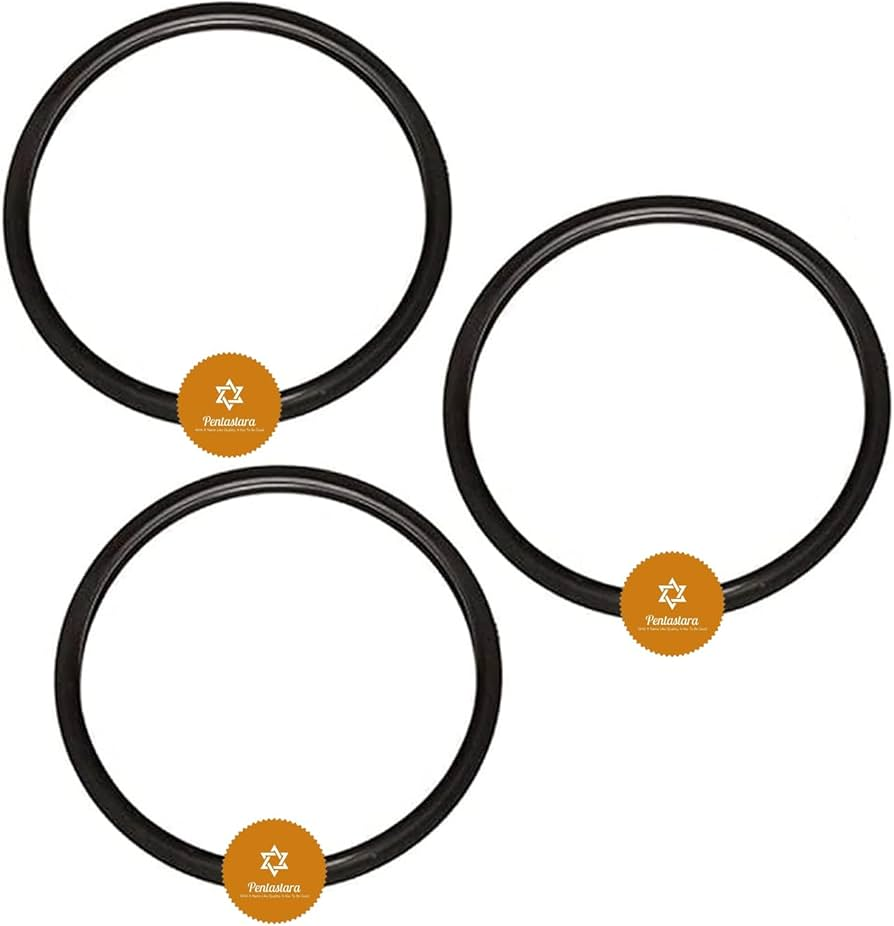
The rubber gasket sits between the blade assembly and the jar base. It compresses slightly when the blade nut is tightened, creating a watertight seal. But rubber doesn’t last forever, especially under the conditions we put it through in Indian kitchens heat, acidic ingredients like tamarind and tomato, spice oils, and constant tightening and loosening.
Over time, the gasket:
- Hardens — loses its flexibility and stops compressing properly
- Cracks — tiny fissures appear that let liquid through
- Shrinks — loses its original dimensions from repeated heat exposure
- Gets permanently squashed flat — loses its ability to spring back and seal
How to Fix It:
Buy a replacement gasket. This is the cheapest fix typically ₹30–80 for most Indian brands. Take the old gasket to a mixer repair shop or hardware store and match the size.
Installation takes 2 minutes: remove old gasket, press new one into the groove, reassemble, and test with water.
2. The Blade Assembly Is Loose
The blade assembly screws onto the base of the jar. If it isn’t tightened properly or if the threads are worn down the assembly won’t compress the gasket enough to create a seal.
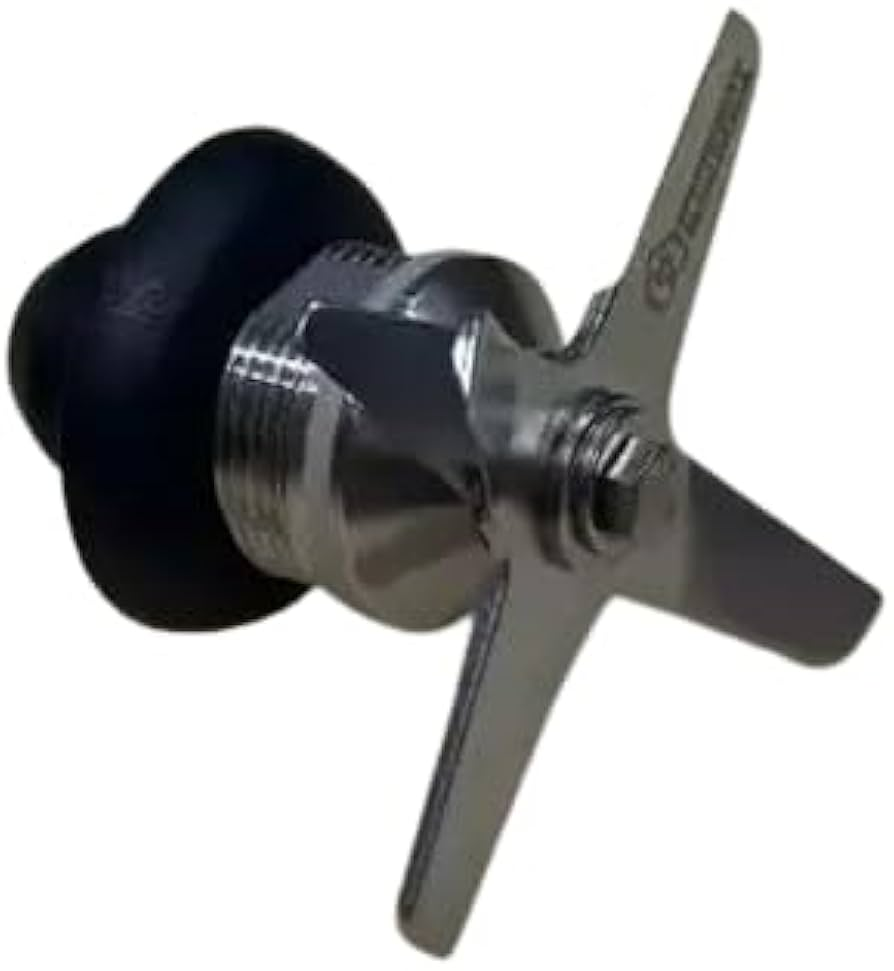
This often happens because:
- People don’t tighten the nut firmly enough after cleaning
- The threads on the nut or jar base have worn smooth over years of use
- The jar has been dropped and the threads are slightly damaged
You’ll usually notice this type of leak around the outer edge of the blade assembly.
How to Fix It:
Tighten the blade assembly more firmly. If the threads are worn and the assembly won’t stay tight, you’ll need to replace either the blade assembly or the jar base.
3. The Gasket Is Mis-Seated or Twisted
Sometimes the gasket is fine, but it isn’t sitting correctly in its groove. This happens most commonly right after cleaning the gasket gets dislodged, twisted, or folded while you’re washing the blade assembly
How to Fix It:
Disassemble the blade assembly, remove the gasket completely, and press it firmly and evenly back into its groove. This takes about 5 minutes and costs nothing. It’s the first thing to check before buying a replacement gasket.
4. The Bearing Seal Has Failed
This one is less common but more serious. Inside the blade assembly is a bearing a small mechanical component that allows the blade spindle to spin smoothly. This bearing is lubricated with grease. A rubber or nylon seal surrounds the bearing to prevent that grease from leaking out.
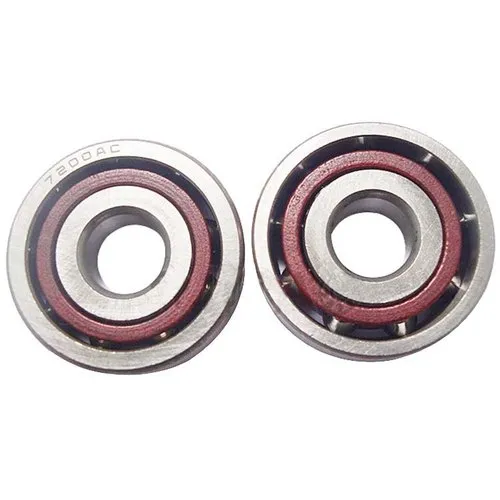
When the bearing seal ages or wears out:
- Grease starts to leak out as a grey or dark greasy substance
- The bearing may also allow water to penetrate, which then accelerates corrosion
How to Fix It:
- Require professional servicing replace bearings.
5. The Jar Has a Hairline Crack
Stainless steel jars are tough, but they’re not indestructible. A jar that’s been dropped, hit against the sink, or had boiling liquids poured into it repeatedly can develop hairline cracks particularly at the base where the metal is shaped and welded.
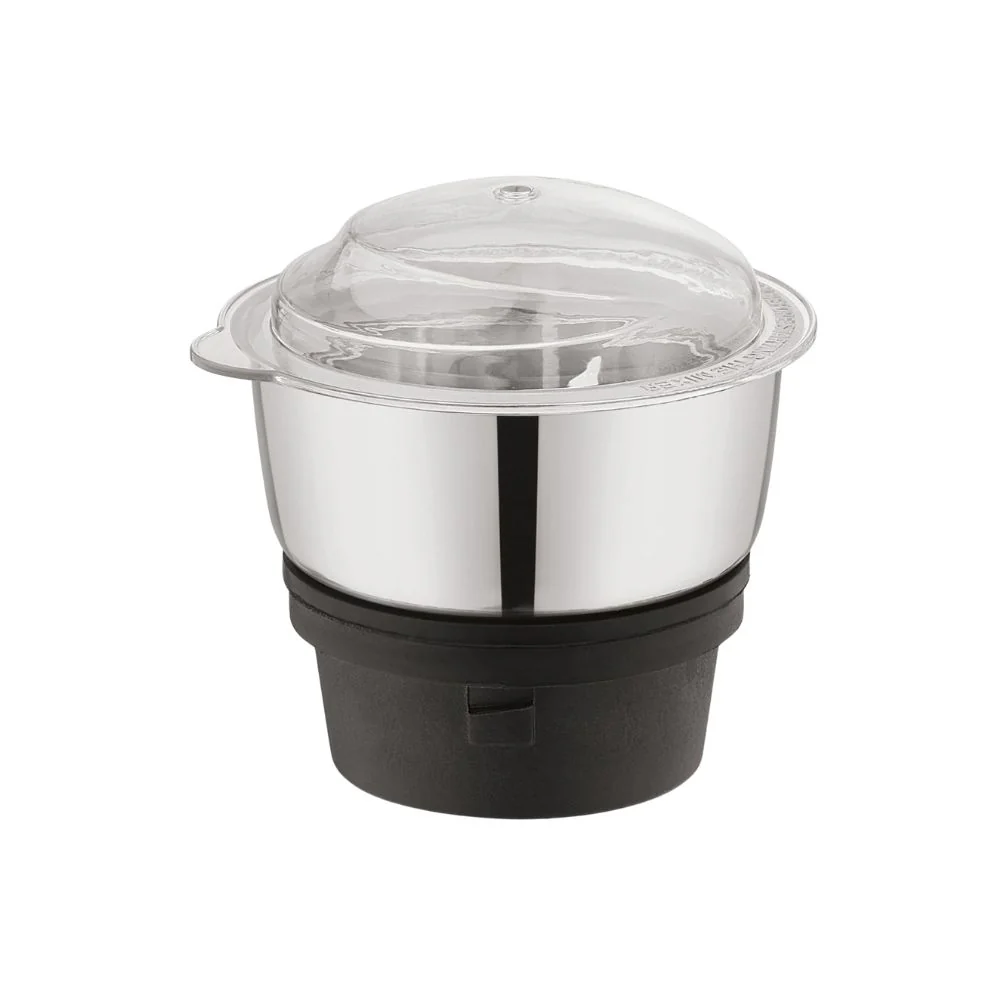
Hairline cracks are deceptively hard to spot. The easiest way to test: fill the jar with water, hold it up to a bright light, and look carefully at the base and lower sides while rotating it slowly.
If the leak is definitely from the jar body and not the blade area, a crack is your likely culprit.
How to Fix It:
There’s no reliable home repair for a cracked mixer jar. Best option is to replace the jar. Most replacement jars for popular Indian brands cost ₹400–900.
6. You’re Overfilling the Jar
This one’s user error, but it causes leaks that people often do. When you fill the jar beyond the max fill line especially with thin liquids the spinning blades create centrifugal force that pushes liquid outward and downward. Even a perfectly sealed jar can leak under this pressure if it’s too full.
How to Fix It:
- Never fill beyond the 2/3 mark for wet grinding. If you need to blend large quantities, do it in batches.
7. The Jar Lid Is Leaking
Sometimes what looks like a bottom leak is actually liquid that’s been flung sideways from a loose lid, rolled down the outside of the jar, and pooled under the base making it look like a bottom leak.
How to To test: Run the mixer with a small amount of water and watch where the liquid first appears. If it’s dripping down from the lid or upper jar walls, the problem is the lid gasket, not the bottom seal.
How to Fix It:
- Check that the lid is seated firmly and the lid seal is intact. If the lid seal is cracked or missing, replacements are available from service centres.
Step-by-Step Fix Guide: How to Stop the Leak Today
Here’s the systematic approach — start from Step 1 and only move forward if the previous step didn’t solve it:
Step 1 — Clean everything first Remove the blade assembly, remove the gasket, wash everything, and dry thoroughly. Sometimes a food particle lodged in the gasket groove is the entire problem.
Step 2 — Inspect and reseat the gasket Check the gasket for hardening, cracks, or mis-seating. Reseat it firmly if it looks okay. Test with water.
Step 3 — Replace the gasket (₹30–80) If the gasket is hard, cracked, or flat — buy a new one. This solves most leaks. Test with water before grinding food.
Step 4 — Tighten the blade assembly Tighten the blade nut firmly using the mixer spanner. Test.
Step 5 — Check for jar cracks Fill with water, hold up to light, rotate. Look for seepage from the jar body.
Step 6 — Check fill level Try grinding with a smaller quantity. If the leak stops, overfilling was the cause.
Step 7 — Take to a service centre If none of the above solve it, the blade bearing, jar threads, or internal components need professional assessment.
Home Remedies: What Works and What Doesn’t
Every household has its own DIY trick for a leaking mixer jar. Let’s be honest about which ones actually work:
| Remedy | Does It Work? | Notes |
|---|---|---|
| Tightening the blade nut harder | Sometimes | Only if loose thread is the cause |
| Vaseline/petroleum jelly on the gasket | Temporarily | Makes gasket more pliable short-term; not a permanent fix |
| M-Seal on jar cracks | Not recommended | Food-unsafe; breaks down with heat and acids |
| Teflon/plumber’s tape around blade threads | Temporary | Can work for 1–2 weeks but not a real solution |
| Replacing the gasket | ✅ Yes | Most effective fix for 70–80% of leaks |
| Replacing the blade assembly | ✅ Yes | Correct fix for worn threads or failed bearing |
| Replacing the jar | ✅ Yes | Only correct option for cracked jars |
The Hidden Danger: When a Leaking Jar Damages Your Motor
When liquid leaks from the jar bottom and drips onto the motor coupling area, it can travel inside the motor housing through the ventilation slots. Once moisture gets into the motor:
- The motor bearings start to corrode
- The copper windings can short against the motor casing
- The motor insulation weakens prematurely
- your mixer grinder smells like burning after few minutes of use
If you’ve been ignoring a slow jar leak for months and recently started noticing a burning smell, the two are almost certainly connected.
When to Repair vs. When to Replace the Jar
| Situation | Action |
|---|---|
| Gasket worn jar and threads intact | Replace gasket (₹30–80) |
| Blade assembly loose threads okay | Re-tighten |
| Blade assembly worn threads | Replace blade assembly (₹150–400) |
| Bearing seal failed (grey grease) | Replace blade assembly at service centre |
| Hairline crack in jar body | Replace the jar (₹400–900) |
| Jar is 5+ years old, frequent leaks | Replace the jar even after gasket change |
| Repair cost exceeds 50% of new jar price | Buy a new jar or mixer |
Prevention: How to Make Jar Gaskets Last Longer
The best solution to the mixer grinder jar leaking from bottom problem is making sure it doesn’t happen in the first place. Here’s how:
- Don’t overtighten the blade nut — firm is enough; overtightening permanently deforms the gasket
- Remove and check the gasket every 3 months — a quick inspection catches hardening early
- Dry the gasket before reassembly — wet gaskets can stick and mis-seat when you reassemble
- Avoid soaking jars in water — prolonged water exposure accelerates gasket degradation
- Don’t pour boiling liquids into jars — heat accelerates rubber hardening
- Store jars with the blade assembly loosened slightly — storing tightly assembled keeps the gasket under constant compression
- Replace gaskets preventively — don’t wait for a leak; replace every 2 years regardless of visible condition
FAQs:
1. Why is my mixer grinder jar leaking from the bottom?
A mixer grinder jar usually leaks from the bottom due to a damaged rubber gasket, worn-out seal, loose blade assembly, or cracks in the jar base.
2. Can a leaking mixer grinder jar be repaired?
Yes, most leaking mixer grinder jars can be repaired by replacing the rubber gasket, tightening the blade assembly, or changing the worn seal.
3. How do I stop my mixer grinder jar from leaking?
To stop leakage, check the rubber ring, tighten the blade properly, avoid overfilling the jar, and replace damaged parts if necessary.
4. Is it safe to use a mixer grinder jar that leaks?
No, using a leaking mixer grinder jar can damage the motor and create electrical hazards. It is best to fix the problem before using it again.
5. Why does my mixer grinder leak only while grinding?
Leakage during grinding often happens because of loose blades, excessive pressure inside the jar, or a worn-out sealing ring.
6. How often should I replace the mixer grinder jar gasket?
You should replace the gasket when it becomes loose, cracked, or hard. Regular users may need replacement every 6–12 months.
7. Can overfilling cause mixer grinder jar leakage?
Yes, overfilling the jar increases internal pressure during grinding, which can force liquids to leak from the bottom or lid.
8. What are the common signs of a damaged mixer grinder seal?
Common signs include water dripping from the bottom, unusual vibration, difficulty tightening the blade, and reduced grinding performance.
9. Should I replace the entire jar if it leaks?
Not always. In many cases, replacing the gasket or blade assembly solves the issue. Replace the full jar only if it is cracked or severely damaged.
10. How can I prevent mixer grinder jar leakage in the future?
Clean the jar regularly, avoid overloading, tighten the blades properly, and inspect the gasket periodically to prevent future leakage.
Final Thoughts
A mixer grinder jar leaking from the bottom is almost never a reason to buy an entirely new mixer. In the majority of cases, a ₹30–₹80 gasket replacement is all it takes. The key is catching it early before the liquid reaches the motor and before you’re dealing with a mixer grinder that smells like burning after few minutes because moisture has compromised the motor windings.
Know your jar, check your gasket regularly, and don’t overfill. Those three habits will keep your mixer leak-free and your motor healthy for years.
Found this guide helpful? Got a specific leaking problem you couldn’t find here? Drop your question in the comments we’ll help you troubleshoot it.
Related Posts:
- Top 10 Mixer Grinder for Idli Dosa Batter in 2026
- 12 Real Reasons Your Mixer Grinder Motor Overheating
- 10 Classic Indian Chutney Recipe You Can Make in Your Mixer Grinder
- 8 Different Types of Mixer Grinders for Indian Kitchens
- 10 Best Mixer Grinder for Smoothies
Sourabh researches and writes about home appliances, kitchen appliances, and common appliance problems to help readers make informed buying decisions. He covers mixer grinders, refrigerators, air conditioners, washing machines, and appliance troubleshooting.
At ReviewSpot, Sourabh compares manufacturer specifications, product features, warranty information, pricing, and customer feedback to turn technical appliance information into practical buying advice. His goal is to help readers understand their options, avoid costly mistakes, and choose products that fit their needs and budget.
ReviewSpot distinguishes manufacturer information, customer feedback, and editorial analysis, and does not describe products as hands-on tested unless they have actually been tested.