
Which AC Is Best for Home? The Ultimate Buying Guide (2026)

Buying an air conditioner today isn’t difficult but choosing the right one can be confusing with so many brands, star ratings, inverter technologies, and tonnage options. A model that works perfectly for one home may not be the right choice for yours. In this guide, you’ll learn exactly Which AC Is Best for Home based on room size, budget, energy efficiency, and cooling needs so you can buy with confidence.
Key Takeaways
- The best home AC depends on room size, climate, budget, and daily usage rather than a single brand or model.
- Inverter ACs consume less electricity and maintain a more consistent room temperature than non-inverter models.
- Choosing the correct AC tonnage improves cooling performance while reducing unnecessary energy consumption.
- A higher ISEER rating and a 5-star energy label can significantly reduce long-term electricity bills.
- Comparing warranty, after-sales service, installation costs, and maintenance is just as important as comparing features.
- Buying an AC during seasonal sales can lower your total ownership cost.
- Regular filter cleaning and annual servicing help maintain cooling efficiency and extend the lifespan of your AC.
Best AC Brand Comparison Table
| Brand | Cooling | Energy Saving | Smart Features | Service Network | Value for Money |
|---|---|---|---|---|---|
| LG | ⭐⭐⭐⭐⭐ | ⭐⭐⭐⭐⭐ | ⭐⭐⭐⭐⭐ | ⭐⭐⭐⭐⭐ | ⭐⭐⭐⭐ |
| Daikin | ⭐⭐⭐⭐⭐ | ⭐⭐⭐⭐⭐ | ⭐⭐⭐ | ⭐⭐⭐⭐ | ⭐⭐⭐⭐ |
| Panasonic | ⭐⭐⭐⭐ | ⭐⭐⭐⭐ | ⭐⭐⭐⭐⭐ | ⭐⭐⭐⭐ | ⭐⭐⭐⭐ |
| Blue Star | ⭐⭐⭐⭐⭐ | ⭐⭐⭐⭐ | ⭐⭐⭐ | ⭐⭐⭐⭐ | ⭐⭐⭐⭐ |
| Voltas | ⭐⭐⭐⭐ | ⭐⭐⭐⭐ | ⭐⭐⭐ | ⭐⭐⭐⭐⭐ | ⭐⭐⭐⭐⭐ |
| Carrier | ⭐⭐⭐⭐⭐ | ⭐⭐⭐⭐ | ⭐⭐⭐ | ⭐⭐⭐⭐ | ⭐⭐⭐⭐ |
| Hitachi | ⭐⭐⭐⭐ | ⭐⭐⭐⭐ | ⭐⭐⭐⭐ | ⭐⭐⭐⭐ | ⭐⭐⭐⭐ |
| Lloyd | ⭐⭐⭐⭐ | ⭐⭐⭐⭐ | ⭐⭐⭐⭐ | ⭐⭐⭐ | ⭐⭐⭐⭐⭐ |
| Samsung | ⭐⭐⭐⭐ | ⭐⭐⭐⭐ | ⭐⭐⭐⭐⭐ | ⭐⭐⭐⭐ | ⭐⭐⭐⭐ |
| Godrej | ⭐⭐⭐⭐ | ⭐⭐⭐⭐ | ⭐⭐⭐ | ⭐⭐⭐⭐ | ⭐⭐⭐⭐ |
What Is the Best AC for Home?
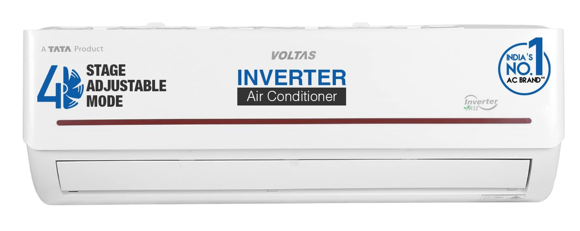
The best AC for home is the one that matches your room size, cooling requirements, budget, and long-term electricity usage.
There isn’t one universal air conditioner that’s perfect for everyone. A family living in a hot city like Jaipur has different cooling requirements than someone living in Bengaluru. Similarly, a bedroom requires a different AC capacity than a large living room.
For example, installing a 2-ton AC in a small 100 sq. ft. bedroom won’t cool the room much faster. Instead, it may cycle on and off frequently, increasing the initial purchase cost without delivering meaningful benefits.
The best AC for home is the one that matches your room size, cooling requirements, budget, and long-term electricity usage.
What Determines the Best Home AC?
Several factors determine which AC will perform best in your home. These include:
- Room size
- Number of occupants
- Local climate
- Sunlight entering the room
- Floor level
- Daily usage hours
- Electricity tariff
- Budget
For example, a top-floor apartment exposed to direct sunlight throughout the day usually requires higher cooling capacity than a shaded ground-floor room of the same size.
Quick Decision
| Situation | Recommended Choice |
|---|---|
| Small bedroom (up to 120 sq. ft.) | 1 Ton Inverter Split AC |
| Medium bedroom (120–180 sq. ft.) | 1.5 Ton Inverter Split AC |
| Living room (180–260 sq. ft.) | 2 Ton Split AC |
| Rental home | Window AC |
| Daily usage above 8 hours | 5-Star Inverter AC |
| Budget under ₹30,000 | Window AC or entry-level Split AC |
| Maximum energy savings | 5-Star Inverter Split AC |
Why There Is No Single “Best” AC Brand
Many buyers ask:
Which AC brand is best in India?
The answer depends on what you value most. Some brands excel in cooling performance, while others are known for durability, energy efficiency, or after-sales service.
For example:
- LG is known for smart features.
- Daikin focuses on efficient cooling.
- Blue Star is popular for fast cooling.
- Voltas offers excellent value.
- Panasonic provides advanced air purification.
- Carrier has strong cooling performance.
Instead of choosing based only on brand reputation, evaluate the entire package, including service availability in your city.
Why Choosing the Right Home AC Matters
Choosing the right home AC matters because it directly affects your comfort, electricity bills, maintenance costs, and the lifespan of the appliance.
Buying the wrong AC can lead to poor cooling, higher monthly electricity expenses, frequent repairs, and unnecessary frustration.
According to the International Energy Agency (IEA), air conditioners and electric fans already account for around 20% of electricity used in buildings worldwide, and demand continues to rise as temperatures increase. [Source: International Energy Agency (IEA), 2024]
Which AC Is Best for Home
Let’s explore why selecting the right AC is such an important investment.
1. Better Cooling Performance
A properly sized AC cools your room efficiently without overworking the compressor.
For example, a correctly sized 1.5-ton inverter AC can maintain a comfortable indoor temperature even during peak summer conditions in most Indian cities.
This results in:
- Faster cooling
- Uniform airflow
- Better humidity control
- Improved comfort
2. Lower Electricity Bills
Energy-efficient air conditioners consume less electricity over time.
Choosing a 5-star inverter AC instead of a lower-rated model can reduce annual energy consumption significantly, especially if you use the AC for several hours every day.
The ISEER rating measures an air conditioner’s seasonal energy efficiency, and higher ISEER values generally indicate lower electricity consumption.
According to the Bureau of Energy Efficiency (BEE), higher ISEER-rated ACs are designed to deliver better seasonal efficiency than lower-rated models. [Source: Bureau of Energy Efficiency (BEE), 2025]
3. Longer Appliance Life
An air conditioner that isn’t constantly overloaded generally lasts longer.
For example, using the correct tonnage prevents excessive compressor strain, which is one of the leading causes of premature AC failure.
Choosing the correct AC tonnage improves cooling performance while reducing unnecessary energy consumption and compressor strain.
4. Improved Indoor Air Quality
Modern air conditioners now include filters that help remove dust, allergens, and fine particles. Many premium models feature:
- PM2.5 filters
- Anti-bacterial filters
- HD filters
- Dust filters
- Air purification modes
These features can improve indoor comfort, especially for families with children or people who have allergies.
5. Better Long-Term Value
The cheapest AC isn’t always the most affordable over its lifetime. A model priced ₹5,000 higher may recover its cost through lower electricity bills within a few years.
Instead of comparing only the purchase price, consider:
- Installation charges
- Annual servicing
- Electricity usage
- Warranty
- Spare part availability
How Do You Choose the Best AC for Your Home?
Choosing the best AC for your home involves evaluating room size, AC capacity, compressor technology, energy efficiency, climate, and long-term operating costs.
Many buyers focus only on brand names, but the most important factors are often technical specifications that directly affect comfort and running costs.
Let’s break them down one by one.
Room Size vs AC Tonnage
AC tonnage refers to the cooling capacity of an air conditioner rather than its physical weight. Choosing the right tonnage is the foundation of efficient cooling.
Recommended AC Capacity by Room Size
| Room Size | Recommended AC |
| Up to 120 sq. ft. | 1 Ton |
| 120–180 sq. ft. | 1.5 Ton |
| 180–260 sq. ft. | 2 Ton |
| Above 260 sq. ft. | 2 Ton+ or Multiple Units |
If your room receives direct afternoon sunlight or has large windows, consider moving one capacity higher.
Example: A 170 sq. ft. west-facing bedroom on the top floor may perform better with a 1.5-ton inverter AC rather than a 1-ton model.
If you’re buying a 1.5-ton AC, don’t forget about electrical protection. In areas with frequent voltage fluctuations, choosing the right stabilizer for a 1.5-ton AC can help protect the compressor and other electronic components.
Should You Buy an Inverter AC or a Non-Inverter AC?
An inverter AC adjusts compressor speed according to cooling demand, making it more energy-efficient and quieter than a non-inverter AC.
Traditional non-inverter ACs repeatedly switch the compressor ON and OFF, leading to higher power consumption and larger temperature fluctuations.
By contrast, inverter ACs maintain a steady indoor temperature by varying compressor speed instead of stopping completely.
| Inverter AC Advantages | Non-Inverter AC Advantages |
|---|---|
| Lower electricity bills due to variable compressor speed | Lower initial purchase price |
| Quieter operation with reduced compressor noise | Simpler technology with fewer electronic components |
| Better temperature control for consistent comfort | Suitable for occasional or seasonal use |
| Longer compressor life due to fewer start-stop cycles | Easier and less expensive to repair in some cases |
| Faster cooling by adjusting compressor speed as needed | Good option for budget-conscious buyers |
| Better performance during long usage hours | Ideal for rooms that are used infrequently |
If you use your AC for more than 4–5 hours daily, an inverter model is generally the better investment.
Which Type of AC Is Best for Home: Split, Window, or Portable?
The best type of AC depends on your home’s layout, installation flexibility, cooling requirements, and budget.
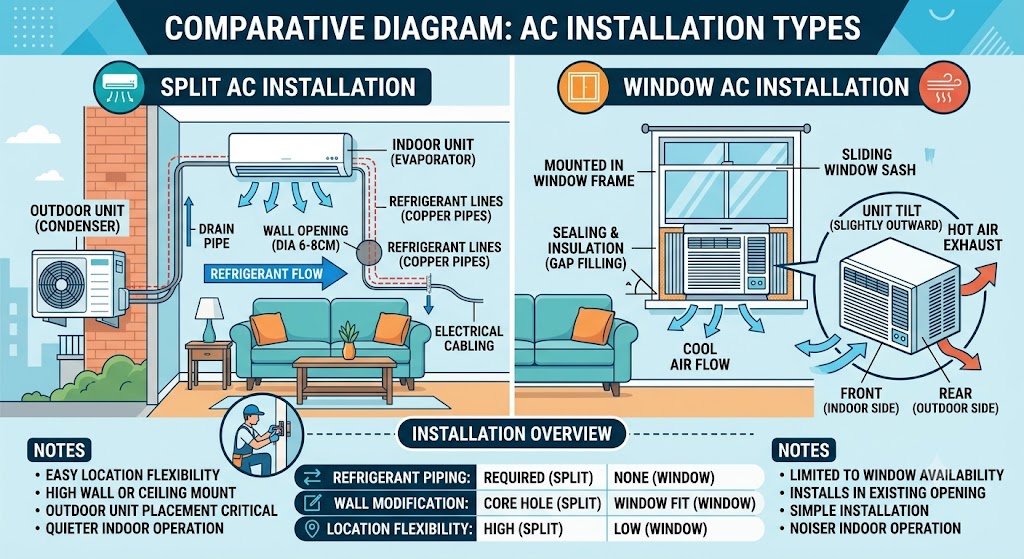
Each type has advantages and limitations. Understanding these differences helps you choose the most suitable option instead of simply buying the most expensive model.
1. Split AC
A split AC consists of an indoor unit and an outdoor compressor connected by refrigerant pipes.
Best For
- Bedrooms
- Living rooms
- New homes
- Quiet environments
- Modern apartments
| Split AC Advantages | Split AC Disadvantages |
|---|---|
| Quiet operation for a comfortable indoor environment | Higher installation cost compared to window ACs |
| Better aesthetics with a sleek and modern design | Requires professional installation |
| Higher energy efficiency, especially with inverter models | Outdoor unit requires dedicated installation space |
| Smart features such as Wi-Fi control and voice assistant compatibility (available in many models) | Relocation can be more expensive if you move homes |
| Powerful and uniform cooling, ideal for medium to large rooms | Installation may require additional copper piping, increasing costs |
2.Window AC
A window AC combines all components into a single unit installed through a window or wall opening.
Best For
- Rental homes
- Small rooms
- Budget buyers
- Temporary installations
| Window AC Advantages | Window AC Disadvantages |
|---|---|
| Lower purchase price, making it a budget-friendly option | More operating noise since all components are housed in a single unit |
| Easier installation with minimal setup requirements | Limited aesthetics due to its bulky window-mounted design |
| Easier servicing because all components are accessible in one unit | Lower energy efficiency compared to modern inverter split ACs |
| Suitable for rental homes as it can be removed and reinstalled more easily | Occupies window space and may reduce natural light or ventilation |
| Ideal for small rooms and occasional use | Fewer smart features and customization options than split ACs |
3. Portable AC
A portable AC is a movable air conditioner that can be relocated between rooms while venting hot air through a window.
Best For
- Temporary accommodation
- Small offices
- Rooms where permanent installation isn’t possible
| Portable AC Advantages | Portable AC Disadvantages |
|---|---|
| No permanent installation required, making it ideal for temporary use | Lower cooling efficiency compared to split and window ACs |
| Portable design allows you to move it between rooms | Higher noise levels because all components are housed in one unit |
| Flexible placement in rooms where fixed installation isn’t possible | Occupies floor space, which may be inconvenient in smaller rooms |
| Easy to set up with minimal installation effort | Typically higher running costs for equivalent cooling performance |
| Suitable for rental homes, offices, and temporary accommodations | Requires an exhaust hose through a window, which may reduce convenience |
Split AC vs Window AC: Quick Comparison
| Feature | Split AC | Window AC |
| Cooling Performance | Excellent | Good |
| Noise Level | Very Low | Moderate to High |
| Energy Efficiency | Higher | Moderate |
| Installation Cost | Higher | Lower |
| Appearance | Modern | Basic |
| Smart Features | Widely Available | Limited |
| Best For | Homes & Apartments | Rental Properties |
| Price | Higher | Budget-Friendly |
Is an Inverter AC Better Than a Non-Inverter AC for Home Use?
An inverter AC is generally better than a non-inverter AC for home use because it consumes less electricity, maintains a more stable temperature, and provides quieter operation during extended use.
Although inverter ACs have a higher upfront cost, they usually offer lower running costs over their lifetime. If you plan to use your air conditioner for more than 4–5 hours per day, an inverter model is almost always the better investment.
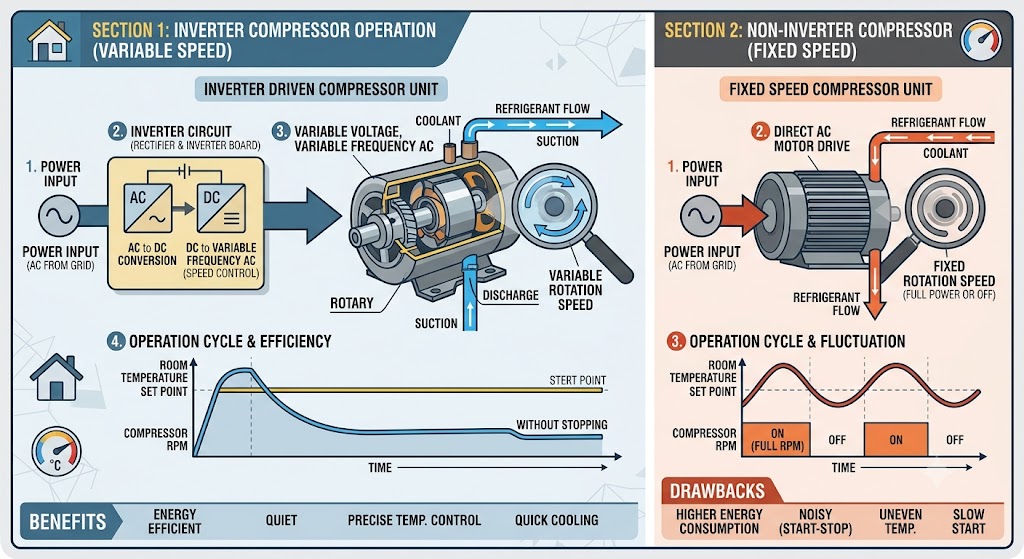
According to the Bureau of Energy Efficiency (BEE), inverter technology combined with a higher ISEER rating can significantly improve seasonal energy efficiency. — Source: BEE, 2025
An inverter AC adjusts compressor speed according to cooling demand, making it more energy-efficient and quieter than a non-inverter AC.
How Does an Inverter AC Work?
An inverter AC continuously adjusts the compressor speed instead of repeatedly switching it ON and OFF.
Once the desired room temperature is reached, the compressor slows down instead of shutting off completely.
For example, if you set the temperature to 24°C, the inverter compressor will gradually reduce its speed to maintain that temperature. This avoids sudden temperature swings and reduces electricity consumption.
By contrast, a non-inverter AC stops the compressor when the room cools down and restarts it when the temperature rises again. These repeated start-stop cycles consume more power.
Inverter AC vs Non-Inverter AC
| Feature | Inverter AC | Non-Inverter AC |
|---|---|---|
| Electricity Consumption | Lower | Higher |
| Cooling Consistency | Excellent | Moderate |
| Noise | Low | Higher |
| Compressor Life | Longer | Moderate |
| Purchase Price | Higher | Lower |
| Best For | Daily use | Occasional use |
| Long-Term Savings | Excellent | Limited |
When Should You Buy an Inverter AC?
Choose an inverter AC if you:
- Use the AC every day
- Sleep with the AC running overnight
- Want lower electricity bills
- Prefer quieter operation
- Plan to keep the AC for many years
When Is a Non-Inverter AC Enough?
A non-inverter AC may still be suitable if:
- You use the AC only occasionally.
- Your budget is limited.
- The room is used infrequently, such as a guest room.
How Does a 5-Star AC Save More Electricity Than a Lower-Rated Model?

A 5-star AC saves more electricity because it has a higher seasonal energy efficiency rating, allowing it to deliver the same cooling while consuming less power.
Many buyers focus only on the star label, but the ISEER rating is actually the more useful metric.
What Is ISEER Rating?
ISEER (Indian Seasonal Energy Efficiency Ratio) measures how efficiently an air conditioner performs across different weather conditions throughout the cooling season.
A higher ISEER value generally means:
- Better efficiency
- Lower electricity consumption
- Lower operating cost
The ISEER rating measures an air conditioner’s seasonal energy efficiency, and higher ISEER values generally indicate lower electricity consumption.
Why ISEER Is More Important Than Wattage
Many buyers compare only power consumption printed on the specification sheet. However, seasonal efficiency provides a better picture because an AC rarely operates at full load all day.
For example: A modern inverter AC running at partial load can consume much less electricity than an older fixed-speed model even if both have similar maximum wattage.
Estimated Annual Electricity Savings
| Star Rating | Approximate Electricity Consumption | Suitable For |
|---|---|---|
| 3 Star | Higher | Occasional use |
| 4 Star | Moderate | Regular use |
| 5 Star | Lowest | Daily heavy use |
Example
Suppose you run your AC 8 hours every day during summer.
A 5-star inverter AC may save several thousand rupees in electricity costs over a few years compared to a lower-rated model, depending on local electricity tariffs and usage patterns.
Which AC Brand Is Best in India for Reliability and Service?
The best AC brand in India depends on whether you prioritize cooling performance, energy efficiency, smart features, after-sales service, or overall value for money.
No manufacturer dominates every category. Instead, each brand excels in specific areas. Below is a practical comparison to help you narrow your choices.
Best AC Brands in India (2026)
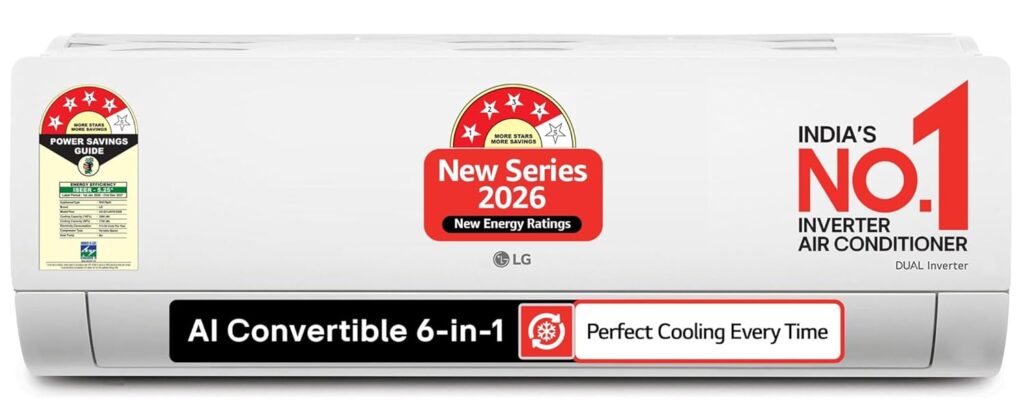
1. LG
Best For
- Smart homes
- AI cooling
- Families
- Energy efficiency
Strengths
- AI Dual Inverter Compressor
- ThinQ Wi-Fi control
- Good nationwide service
- Quiet operation
Considerations
- Premium pricing
- Installation charges may vary
Ideal if you want advanced smart features and dependable service.
2. Daikin
Best For
- Fast cooling
- Long-term reliability
- Hot climates
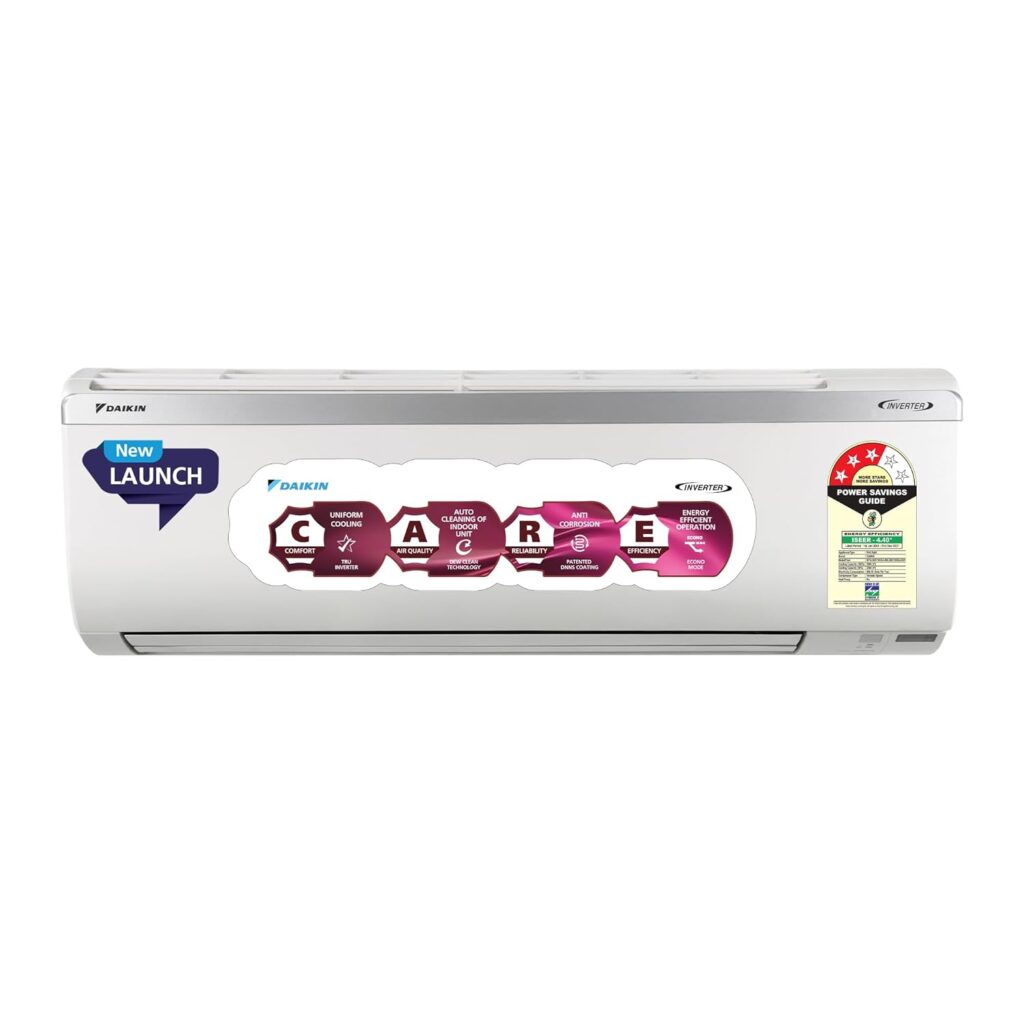
₹56,100
Strengths
- Excellent compressor technology
- Efficient cooling
- Durable construction
- Low maintenance
Considerations
- Fewer smart features in entry-level models
Daikin is widely regarded as one of the strongest choices for cooling performance.
3. Panasonic
Best For
- Air purification
- Smart connectivity
- Families with children
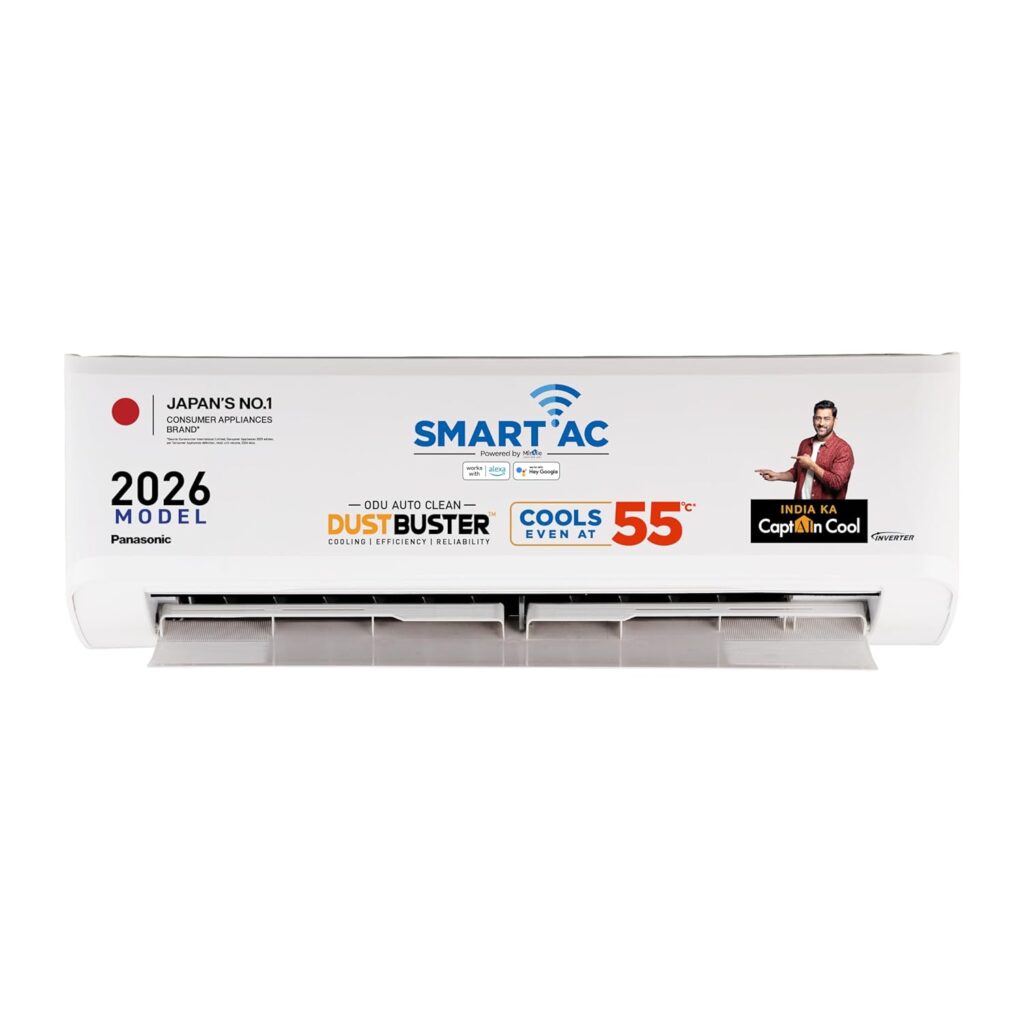
Strengths
- PM 2.5 filters
- Wi-Fi connectivity
- AI-powered operation
- Good efficiency
Considerations
- Some premium models cost more than competitors.
4. Blue Star
Best For
- Rapid cooling
- Indian weather
- Commercial-grade performance
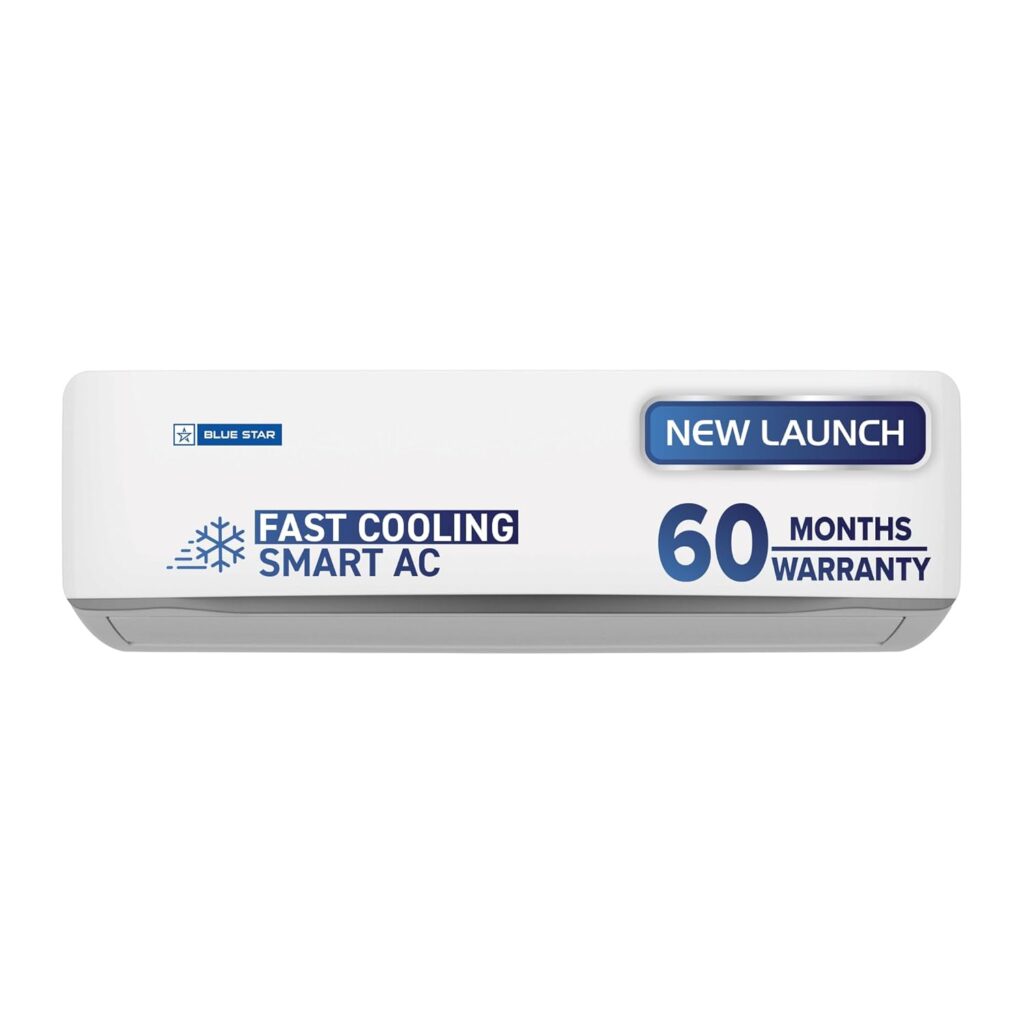
Strengths
- Powerful compressors
- Reliable cooling
- Strong service network
Considerations
- Smart features vary by model.
5. Voltas
Best For
- Value for money
- Budget buyers
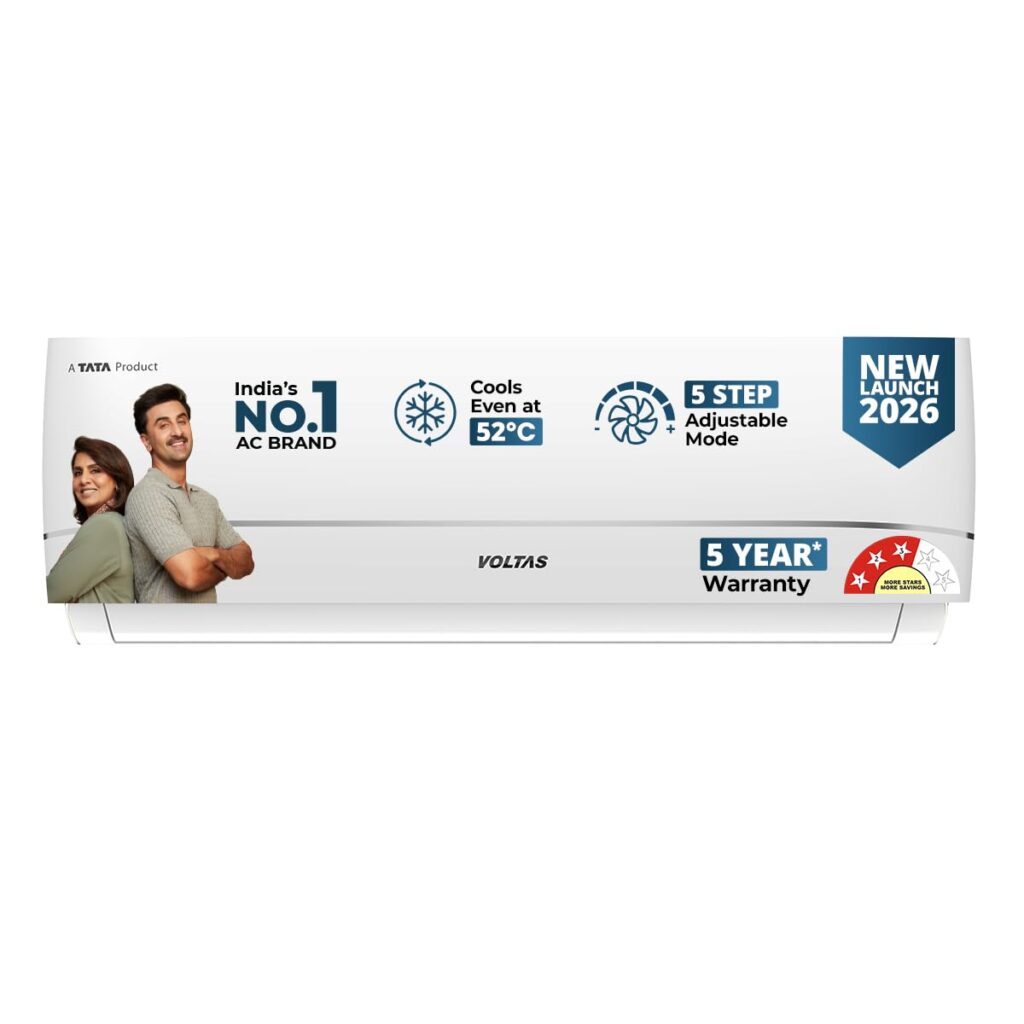
Strengths
- Affordable pricing
- Wide availability
- Good service network
Considerations
- Premium smart features are limited in entry-level models.
6. Carrier
Best For
- Consistent cooling
- Premium performance
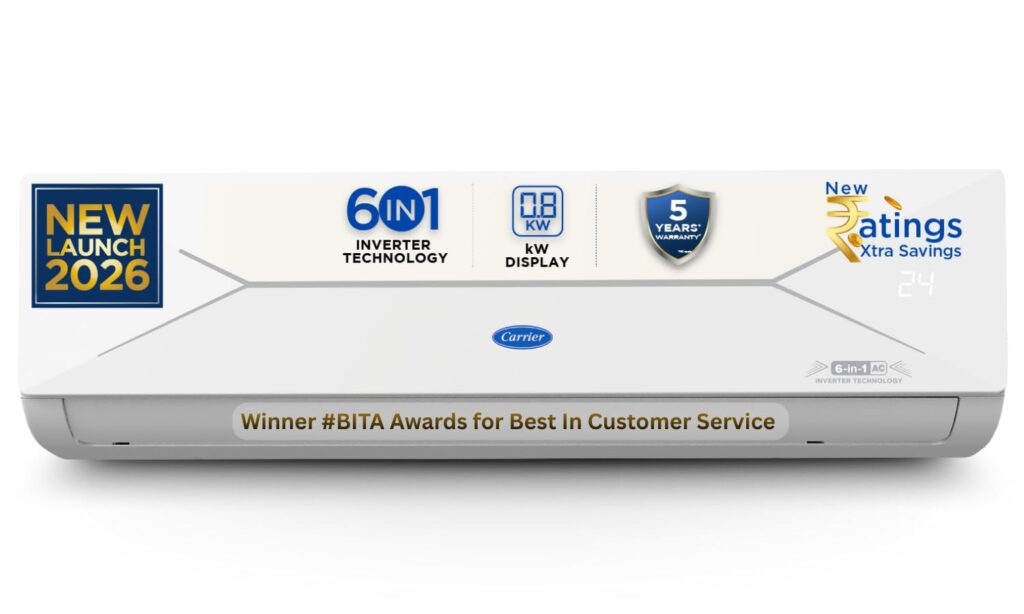
Strengths
- Strong cooling
- Good reliability
- Durable compressors
Considerations
- Fewer retail locations in some cities.
7. Hitachi
Best For
- Quiet operation
- Durable performance
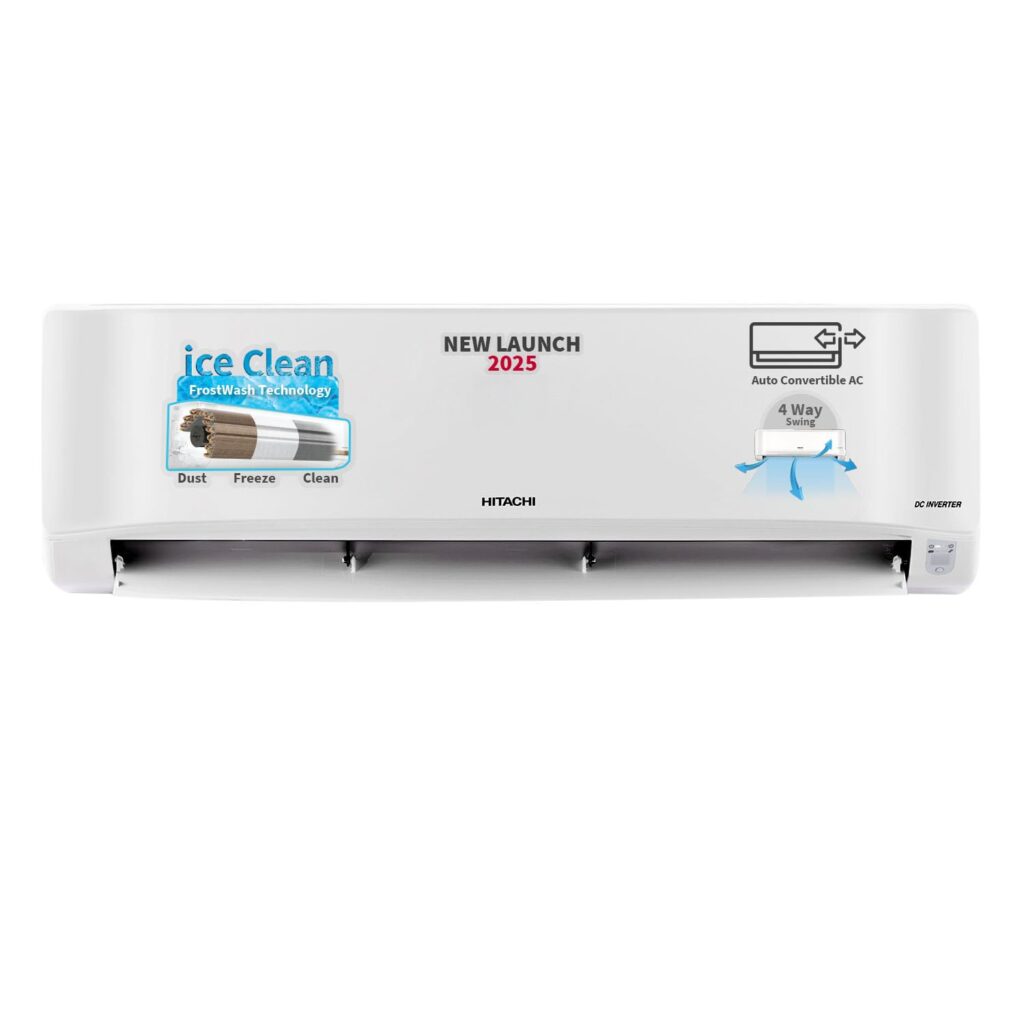
Strengths
- Expandable inverter technology
- Good build quality
- Efficient cooling
Considerations
- Slightly higher pricing.
8. Lloyd
Best For
- Affordable inverter ACs
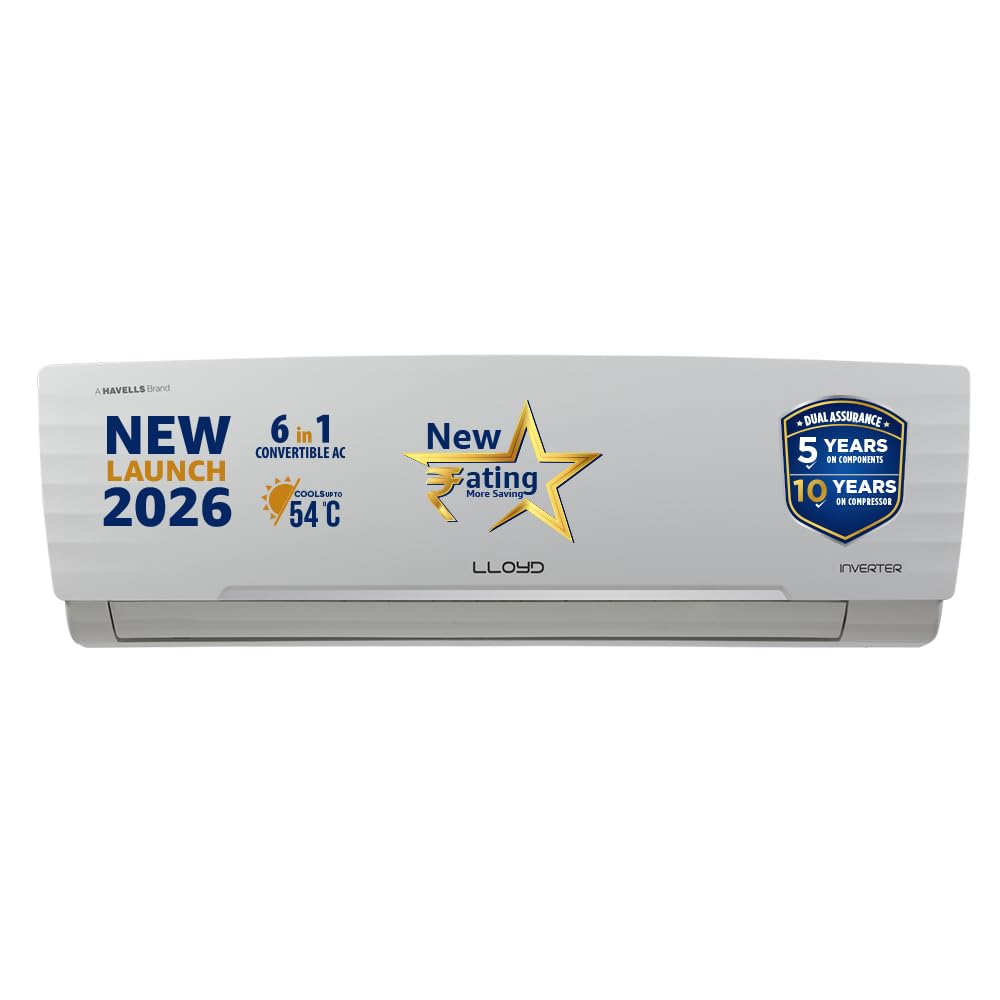
Strengths
- Competitive prices
- Good feature list
- Attractive designs
Considerations
- Service quality depends on location.
9. Samsung
Best For
- Smart homes
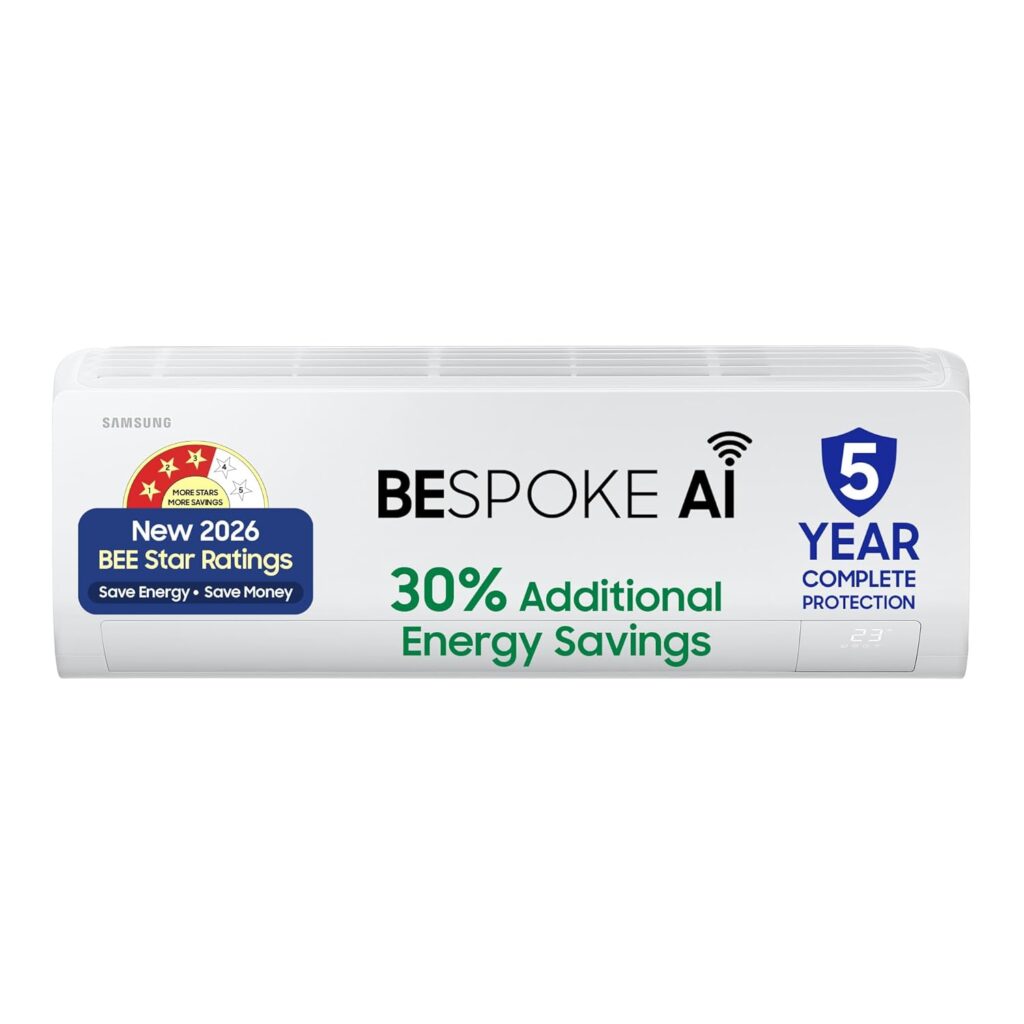
Strengths
- WindFree Cooling
- SmartThings integration
- Modern design
Considerations
- Premium models are relatively expensive.
10. Godrej
Best For
- Eco-conscious buyers
- Budget-friendly homes
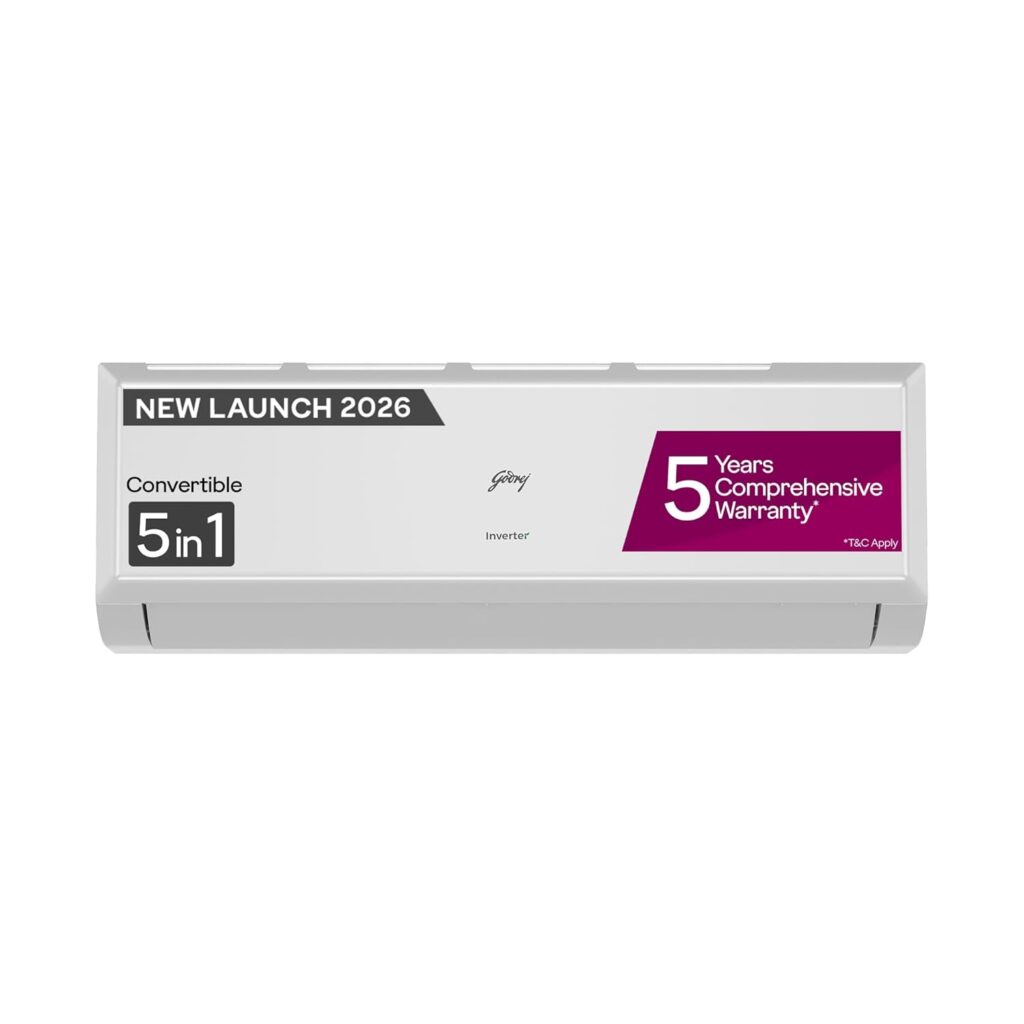
₹45,300 ₹31,490
Strengths
- Energy-efficient models
- Competitive pricing
- Environment-friendly refrigerants
Considerations
- Premium lineup is smaller than some competitors.
Which AC Is Best for Bedrooms, Living Rooms, and Large Homes?
The best AC depends on the room where it will be installed because cooling requirements vary according to room size, occupancy, and sunlight exposure.
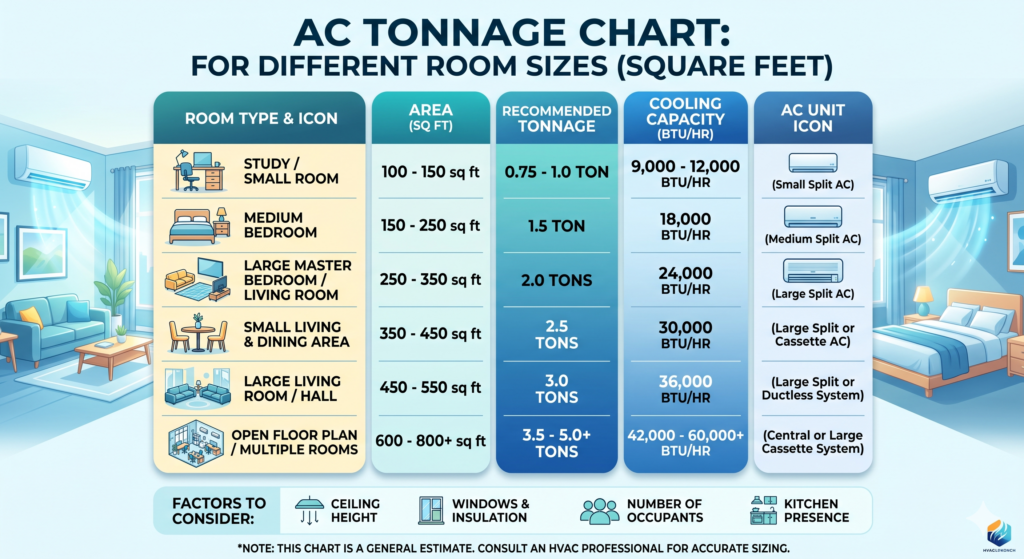
Let’s look at the most common home scenarios.
1. Best AC for Bedrooms
Bedrooms usually require:
- Quiet operation
- Low electricity consumption
- Comfortable overnight cooling
Recommended Choice
- 1 Ton (small bedroom)
- 1.5 Ton (medium bedroom)
- Inverter Split AC
- 5-Star Energy Rating
For a small bedroom or compact room, choosing the best AC for 10×10 room starts with getting the capacity right rather than simply buying the most powerful AC.
2. Best AC for Living Rooms
Living rooms often have:
- Larger floor area
- Multiple occupants
- Frequent door opening
Recommended Choice
- 2 Ton Split AC
- Convertible inverter technology
- High airflow
- Fast cooling mode
3. Best AC for Small Apartments
Recommended features:
- Compact indoor unit
- Low noise
- Wi-Fi control
- 1–1.5 Ton inverter AC
4. Best AC for Large Homes
Large homes benefit from:
- Multiple indoor units
- Higher capacity systems
- Zoned cooling
For homes with several bedrooms, installing separate appropriately sized ACs is often more efficient than relying on a single oversized unit.
5. Best AC for Top-Floor Homes
Top-floor apartments experience greater heat gain due to roof exposure.
Recommended features:
- 5-Star inverter AC
- Higher tonnage if needed
- Fast cooling mode
- Copper condenser
- Good insulation around the room
6. Best AC for Coastal Areas
Coastal climates expose ACs to humidity and salt-laden air.
Look for:
- Anti-corrosion coating
- Blue-fin condenser protection
- Copper condenser
- Strong warranty coverage
7. Best AC for Rental Homes
If you’re renting, flexibility matters.
Recommended options:
- Window AC
- Affordable Split AC
- Easy installation
- Lower relocation costs
Best AC Recommendations by Budget
The best AC within your budget is one that balances cooling performance, energy efficiency, warranty, and after-sales service rather than simply offering the lowest purchase price.
Many buyers focus only on the sticker price. However, the total cost of ownership also includes installation charges, electricity bills, annual maintenance, and potential repair costs.
Let’s explore the best options across different price ranges.
1. Best AC Under ₹30,000
This budget is suitable for:
- Small bedrooms
- Rental homes
- Guest rooms
- First-time buyers
What to Expect
- 1 Ton or entry-level 1.5 Ton AC
- Mostly 3-Star energy rating
- Basic inverter technology (on selected models)
- Essential cooling features
Recommended Brands
- Voltas
- Lloyd
- Godrej
- Blue Star (selected models)
2. Best AC Between ₹30,000–₹40,000
This is one of the most popular price segments for Indian households.
What You Get
- 1.5 Ton Inverter AC
- Better ISEER ratings
- Convertible cooling
- Copper condenser
- Improved filters
- Longer warranties
Recommended Brands
- LG
- Panasonic
- Voltas
- Daikin
- Blue Star
3. Best AC Between ₹40,000–₹50,000
If your budget allows, this range offers premium features with excellent energy efficiency.
Common Features
- AI cooling
- Wi-Fi control
- Voice assistant compatibility
- PM2.5 filtration
- Faster cooling
- Better compressor warranties
Ideal for:
- Families
- Daily AC users
- Large bedrooms
4. Best AC Above ₹50,000
Premium models generally include:
- Highest energy efficiency
- Advanced air purification
- Smart home integration
- Convertible cooling modes
- Low operating noise
- Extended compressor warranty
Best suited for:
- Luxury homes
- Smart homes
- Heavy daily usage
- Large living spaces
How Much Electricity Does a Home Air Conditioner Consume?
Home air conditioner electricity consumption depends on AC capacity, star rating, usage hours, room insulation, and outdoor temperature.
There is no single electricity consumption figure because every household uses its AC differently.
For example, a 5-star inverter AC operating in an insulated bedroom typically consumes less electricity than a 3-star fixed-speed AC cooling a larger room under similar weather conditions.
Estimated Daily Electricity Usage
| AC Type | Daily Usage (8 Hours) | Monthly Estimate* |
|---|---|---|
| 1 Ton Inverter | Lower | Lower |
| 1.5 Ton Inverter | Moderate | Moderate |
| 2 Ton Inverter | Higher | Higher |
*Actual consumption varies based on ambient temperature, thermostat setting, insulation, and local electricity tariff.
According to the International Energy Agency (IEA), improving air-conditioner efficiency is one of the most effective ways to reduce household electricity demand globally. — Source: IEA, 2024
Tips to Reduce AC Electricity Consumption
You can reduce electricity bills without sacrificing comfort by following these simple practices.
- Set the temperature between 24°C and 26°C.
- Clean filters every few weeks.
- Keep doors and windows closed while the AC is running.
- Use ceiling fans to improve air circulation.
- Close curtains during the hottest part of the day.
- Service the AC at least once a year.
- Choose a higher ISEER-rated model if buying a new AC.
Regular cleaning of AC filters and annual professional servicing help maintain cooling efficiency, improve indoor air quality, and extend the appliance’s lifespan.
AC Room Size Calculator
Choosing the correct AC capacity begins with measuring your room accurately.
Use the table below as a quick guideline.
| Room Area | Suggested Capacity |
|---|---|
| Up to 120 sq. ft. | 1 Ton |
| 120–180 sq. ft. | 1.5 Ton |
| 180–260 sq. ft. | 2 Ton |
| Above 260 sq. ft. | Multiple Units or Expert Assessment |
Also consider:
- Ceiling height
- Number of windows
- Sunlight exposure
- Number of occupants
- Kitchen proximity
Home AC Buying Checklist
Following a structured buying checklist helps you avoid expensive mistakes and choose an AC that meets your long-term needs.
Before making your purchase, verify each of the following points.
1. Room Assessment
- Measure room dimensions.
- Note ceiling height.
- Check sunlight exposure.
- Estimate daily usage hours.
2. Product Selection
- Choose correct tonnage.
- Compare ISEER ratings.
- Select inverter technology if used regularly.
- Prefer copper condenser coils.
- Verify energy star rating.
3. Installation
- Confirm installation charges.
- Check outdoor unit placement.
- Ensure adequate drainage.
- Ask about additional copper piping costs.
4. Warranty
Look for:
- Compressor warranty
- PCB warranty
- Comprehensive warranty
- Extended warranty options
5. Service Availability
Before buying, confirm:
- Local service centre availability
- Spare part availability
- Annual maintenance plans
- Customer reviews
Common Mistakes to Avoid When Buying an Air Conditioner
Avoiding common buying mistakes can save money, improve cooling performance, and extend the life of your air conditioner.
Here are the mistakes most homeowners make.
- Buying the Wrong Capacity: Oversized and undersized ACs are both inefficient. Always match tonnage with room size.
- Ignoring Energy Ratings: A cheaper AC may cost significantly more to operate over its lifetime. Focus on long-term electricity costs instead of only the purchase price.
- Choosing Only by Brand: Even the best brands offer entry-level and premium models. Compare specifications, not just logos.
- Ignoring Service Network: A reliable service centre nearby can make ownership much easier. Always verify local support before buying.
- Forgetting Installation Costs: Installation may include Copper pipe extension, Outdoor unit stand, Drain pipe and Electrical accessories. Factor these expenses into your budget.
How Can You Maintain an AC for Better Cooling and Longer Life?
Regular maintenance keeps an air conditioner efficient, hygienic, and reliable throughout its lifespan. Regularly cleaning the filters and accessible AC components can help prevent dirt buildup. If you prefer to handle routine maintenance yourself, an AC cleaning kit for regular maintenance can be useful.
Routine maintenance also reduces electricity consumption and helps prevent costly repairs.
1. Monthly Maintenance
- Clean air filters.
- Wipe indoor unit vents.
- Check for unusual noises.
- Ensure airflow is unobstructed.
2. Every Six Months
- Clean condenser coils.
- Inspect drain pipe.
- Check refrigerant performance.
3. Annual Professional Service
Professional servicing should include:
- Gas pressure inspection
- Coil cleaning
- Electrical safety checks
- Compressor inspection
- Performance testing
Buying the right AC is only the first step. Regular filter cleaning and appropriate maintenance are also important after installation. For users who handle suitable cleaning tasks themselves, an AC cleaning kit for regular maintenance can be useful between professional services.
FAQs:
Q. Which AC is best for home?
The best AC is one that matches your room size, cooling requirements, budget, and long-term electricity usage.
Q. Which AC brand is most reliable in India?
Brands such as LG, Daikin, Panasonic, Blue Star, Carrier, and Voltas are widely recognized for their reliable products and strong service networks. The ideal choice depends on your location, budget, and feature requirements.
Q. Is a 5-Star AC worth buying?
Yes. If you use your AC regularly, a 5-star model generally reduces electricity consumption and lowers long-term operating costs.
Q. Is inverter AC better than non-inverter AC?
Yes. Inverter ACs provide more consistent cooling, quieter operation, and better energy efficiency, especially for daily use.
Q. Which AC is best for a bedroom?
A 1 Ton or 1.5 Ton inverter split AC is suitable for most bedrooms, depending on room size and sunlight exposure.
Q. How often should an AC be serviced?
Filters should be cleaned every few weeks during heavy use, and professional servicing is recommended at least once a year.
Conclusion
Choosing the best AC for your home is about finding the right balance between cooling performance, energy efficiency, reliability, and long-term operating costs.
Instead of selecting an air conditioner based solely on brand or price, consider your room size, daily usage, local climate, electricity consumption, and service availability. A properly sized inverter AC with a high ISEER rating and dependable after-sales support is often the smartest long-term investment.
Whether you’re buying your first air conditioner or replacing an older unit, taking the time to compare features and understand your requirements will help you enjoy better comfort, lower electricity bills, and years of reliable performance.
Recommended Reading:
- 10 Best Air Conditioner For Apartment in India 2026
- [9 Reasons] Why is my air conditioner leaking water inside the house?
- How to Reduce AC Electricity Bill: 27 Practical Tips That Actually Work
- Best AC Cleaning Kit in India 2026 – Save ₹1,000+ on AC Service (DIY Guide)
Sourabh researches and writes about home appliances, kitchen appliances, and common appliance problems to help readers make informed buying decisions. He covers mixer grinders, refrigerators, air conditioners, washing machines, and appliance troubleshooting.
At ReviewSpot, Sourabh compares manufacturer specifications, product features, warranty information, pricing, and customer feedback to turn technical appliance information into practical buying advice. His goal is to help readers understand their options, avoid costly mistakes, and choose products that fit their needs and budget.
ReviewSpot distinguishes manufacturer information, customer feedback, and editorial analysis, and does not describe products as hands-on tested unless they have actually been tested.