
How to Reduce AC Electricity Bill: 27 Practical Tips That Actually Work

Your AC keeps you sane during summer. Your electricity bill? That’s a different story.
Every June, the same thing happens. You open that electricity bill, squint at the number, look at it again hoping it was a mistake, and then quietly sit down. We’ve all been there.
Here’s the truth nobody tells you: most people are throwing away ₹800 to ₹2,000 every single month on AC electricity not because they’re running their AC too much, but because they’re running it wrong.
This guide on how to reduce AC electricity bill isn’t your typical list of “set your thermostat to 24°C and clean filters” advice. We’re going deeper into room physics, human body temperature science, behavioral tricks, and some surprisingly cheap fixes that make a dramatic difference.
Why Your AC Bill Is So High in the First Place

Before fixing the problem, let’s understand it.
A standard 1.5-ton AC consumes roughly 1.2 to 2.0 units of electricity per hour, depending on its star rating, age, and how hard it’s working. If you run it 8 hours a day, that’s anywhere from 288 to 480 units per month just from your AC.
At ₹7 per unit (a common rate across many Indian states), that’s ₹2,016 to ₹3,360 monthly from one AC unit alone.
Here’s a breakdown of what drives that number up:
| Factor | Potential Extra Bill % |
|---|---|
| Dirty filter | +15 to 25% |
| Wrong temperature setting | +20 to 40% |
| Poor room insulation | +15 to 30% |
| No shade on windows | +10 to 20% |
| Low refrigerant / gas leak | +10 to 30% |
| Old non-inverter AC | +30 to 50% vs inverter |
The good news? Every single row in that table is fixable. Let’s get into it.
Part 1: Temperature and Settings
1. Stop Cooling Your Room Like a Freezer
This is the single biggest mistake people make, and it’s costing them a fortune.
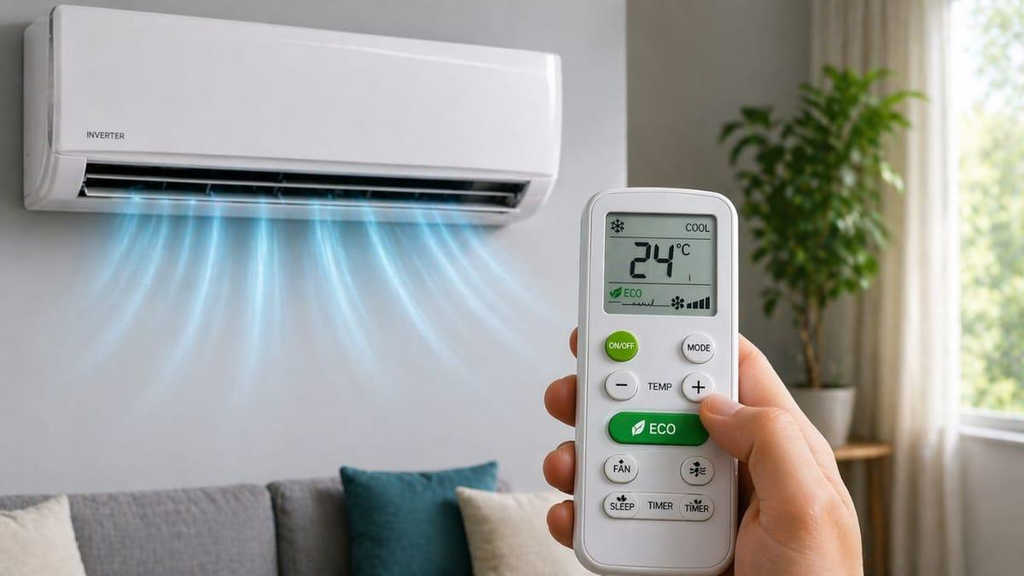
Running your AC at 18°C or 20°C when 24°C or 26°C would keep you just as comfortable is like leaving your car engine running all night because you might need to go somewhere in the morning. It doesn’t make sense, but millions of people do it every day.
Here’s the science: every 1°C reduction in temperature setting increases electricity consumption by 6 to 8%. So if you run your AC at 18°C instead of 24°C, you’re using roughly 36 to 48% more electricity for the same AC, in the same room.
The Bureau of Energy Efficiency (BEE) in India officially recommends 24°C as the ideal setting — comfortable for most people and efficient for your wallet.
What to do:
- Set your AC to 24°C during the day
- Go up to 26°C at night (your body temperature naturally drops while you sleep, so you need less cooling)
- If you feel cold at 24°C, you’re one of the lucky ones bump it to 26°C and save even more
2. Use Sleep Mode
Almost every modern AC has a Sleep Mode, and almost nobody uses it properly.
Sleep Mode gradually raises the temperature by 0.5°C every hour after you set it because as the night gets cooler and your body temperature drops, you need less cooling. By early morning, your AC is barely working.
This alone can cut your nighttime AC bill by 30 to 40% compared to running it at a fixed low temperature all night.
Bonus tip: Pair Sleep Mode with a 5-hour timer. By 3 or 4 AM, the outside temperature is usually low enough that a ceiling fan handles the rest. You sleep comfortably and the AC isn’t running at dawn when it costs you the most.
3. The Fan + AC Combo: A Surprisingly Powerful Trick
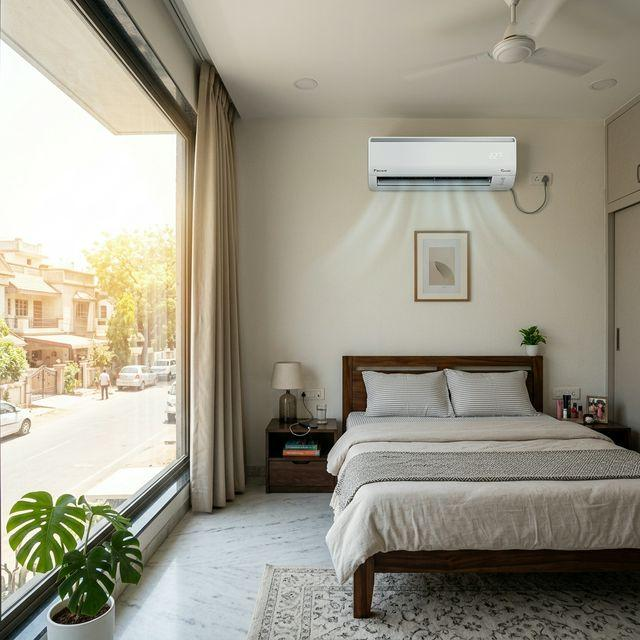
Here’s something that sounds counterintuitive: turning on a ceiling fan while your AC is running can save you money overall.
A ceiling fan uses about 75 watts roughly 0.075 units per hour. An AC uses 1,200 to 1,800 watts. So the fan costs almost nothing by comparison.
What the fan does is circulate the cool air your AC produces throughout the room. Without a fan, the cool air often pools near the floor or near the AC unit. With a fan, it spreads evenly.
This means your room feels 2 to 3°C cooler at the same thermostat setting, which lets you raise your AC temperature by 2 to 3°C — saving 12 to 24% on AC electricity while only adding negligible fan costs.
4. Use Dry Mode During Monsoon Season
During the monsoon, the problem isn’t heat it’s humidity. That sticky, uncomfortable feeling you get when it’s raining but still feels gross? That’s moisture in the air, not high temperature.
Most ACs have a Dry Mode (sometimes labeled with a water droplet icon) that removes moisture without aggressively cooling the room. It uses significantly less electricity than full cooling mode sometimes 40 to 50% less.
If the temperature is below 28°C but the humidity is making you uncomfortable, use Dry Mode instead of Cool Mode. You’ll feel better and spend less.
5. Pre-Cool Before Peak Hours
If you’re on a time-of-use electricity plan (where electricity costs more during peak evening hours), here’s a smart trick: cool your room before peak hours begin.
Thermal mass the ability of walls, furniture, and floors to hold temperature means a pre-cooled room stays cooler for 30 to 45 minutes even after the AC turns off or slows down. Run the AC a little harder from 4 to 6 PM, then let it coast or turn it off during peak billing hours.
Part 2: Your Room Is Working Against You (Here’s How to Fix It)
The single most underrated factor in how to reduce AC electricity bill is room insulation. Your AC doesn’t control the temperature in a vacuum it’s constantly fighting against the heat entering your room from outside.
6. Seal the Gaps Under Doors and Around Windows
Stand near your front door on a hot afternoon. Feel the hot air creeping in underneath? That’s your AC bill leaking out.
Air gaps under doors and around window frames are invisible electricity drains. A 1-cm gap under a standard door can let in as much hot air as keeping a small window cracked open.
Fixes:
- Door draft stoppers: ₹150 to ₹400, available on Amazon and in hardware stores. These slide under the door and block the gap completely
- Weatherstripping tape: Foam tape you stick around window frames. A full set costs under ₹300 and takes 20 minutes to install
- Check AC ducts and splits: If your AC pipe exits through a wall, make sure the hole is properly sealed with putty or foam
This is genuinely one of the highest ROI fixes available. You spend ₹500 once and save that much every single month.
7. Block Direct Sunlight: It’s the #1 Source of Heat Gain

Direct sunlight entering a room is the biggest single source of heat gain in Indian homes. A south or west-facing window in peak afternoon sunlight can raise room temperature by 4 to 8°C by itself.
Your AC then has to work extra hard just to fight that sunlight.
Layered approach from cheapest to most effective:
Layer 1 – Curtains: Heavy curtains (ideally blackout or thermal curtains) block 60 to 80% of sunlight. They’re cheap (₹500 to ₹1,500 per window) and double as privacy screens. Keep them drawn during peak sunlight hours (11 AM to 4 PM).
Layer 2 – Reflective Window Film: This is an underrated gem. A one-way mirror-like film you stick on your window glass. It reflects up to 70% of sunlight while still letting you see outside. Cost: ₹500 to ₹1,500 per window. A west-facing bedroom with this film can drop 3 to 5°C in afternoon temperature.
Layer 3 – External Shading: If you own your home, external shade is the most effective option. A simple bamboo chick (roll-up screen) outside the window costs ₹300 to ₹800 per window and blocks heat before it even hits the glass far more effective than blocking it inside.
Layer 4 – Cool Roof Paint: If your home has a flat concrete roof that gets direct sunlight, it’s essentially a giant heat absorber sitting on top of your rooms. Reflective roof paint (sometimes called “cool roof paint”) can reduce heat absorption by 30 to 40%. Cost: ₹3,000 to ₹10,000 for a typical roof. Payback time in electricity savings: 3 to 6 months.
8. Keep Internal Heat Sources Away From the AC Zone
Your kitchen generates a surprising amount of heat. If your kitchen shares airflow with an AC-cooled living room, your AC is fighting against your own cooking.
Smart habits:
- Close the kitchen door while cooking
- Run the kitchen exhaust fan it physically removes hot air from the house
- Avoid using the oven during peak afternoon heat if possible
- LED bulbs instead of incandescent a bunch of old bulbs in one room can add a measurable heat load
9. The Right AC Placement Makes a Big Difference
If your AC is still being installed or you’re planning a second unit, placement matters more than most people realize.
Rules for best placement:
- Install the indoor unit on the wall opposite the main heat source (usually the window that gets most sunlight), so cool air flows across the room before it warms up
- Don’t place the outdoor unit in direct sunlight if avoidable. An outdoor unit in shade runs more efficiently than one baking in the afternoon sun efficiency difference can be 5 to 10%
- Make sure there’s at least 1 meter of clear space around the outdoor unit for proper airflow. A unit crammed into a tight corner has to work much harder
Part 3: Maintenance: The Free Money You’re Ignoring
Proper maintenance is where most people lose quietly, consistently, every single month.
10. Clean Your AC Filter: Seriously, Do It Right Now
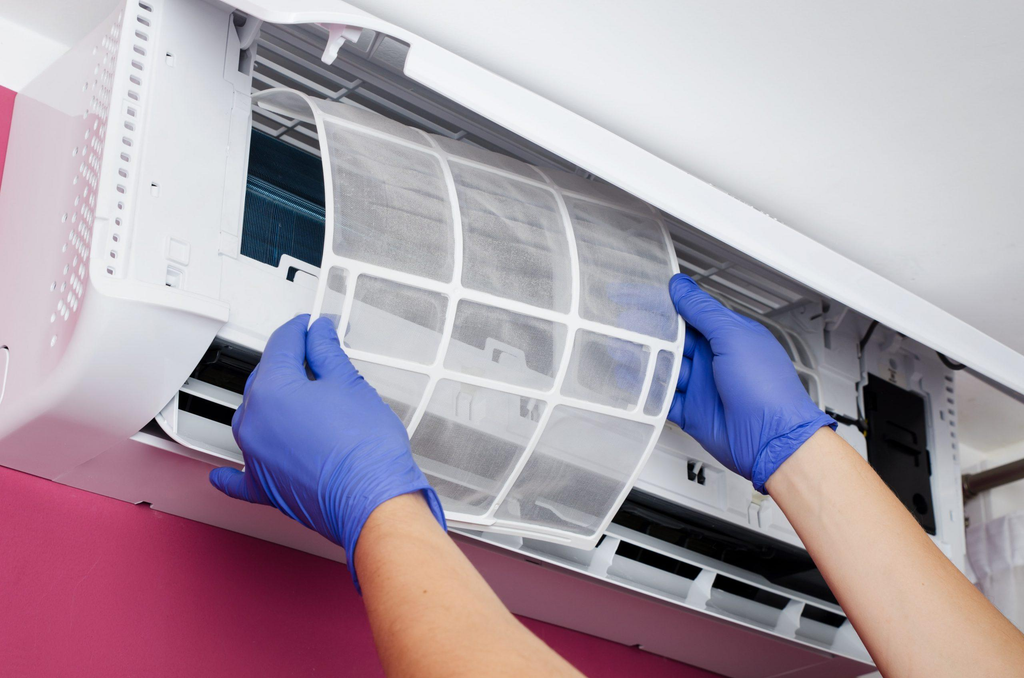
This is the most impactful maintenance task and the most neglected.
Your AC’s filter catches dust, pet hair, pollen, and general airborne debris. Over time, it builds up into a layer that restricts airflow. When airflow is restricted, your AC has to run longer to cool the same space using more electricity for less result.
A clogged filter can reduce efficiency by 15 to 25%. On a ₹3,000/month bill, that’s ₹450 to ₹750 going straight to waste. Every. Single. Month. You can use the AC cleaning kit to clean your AC.
How to clean it yourself (takes 15 minutes):
- Turn off and unplug the AC
- Open the front panel of the indoor unit (usually clips off)
- Remove the mesh filter panels
- Rinse them under running water if they’re very dirty, use a soft brush and mild soap
- Let them dry completely (don’t use heat) before putting them back
- Do this every 2 to 4 weeks during heavy use
- You can use the AC cleaning kit to clean your AC.
For professional deep-cleaning (coils, drain pipe, the full works), book a service once a year ideally just before summer starts. Costs around ₹400 to ₹800 per AC and can improve efficiency noticeably.
11. Check the Outdoor Unit: It’s Working Hard Out There
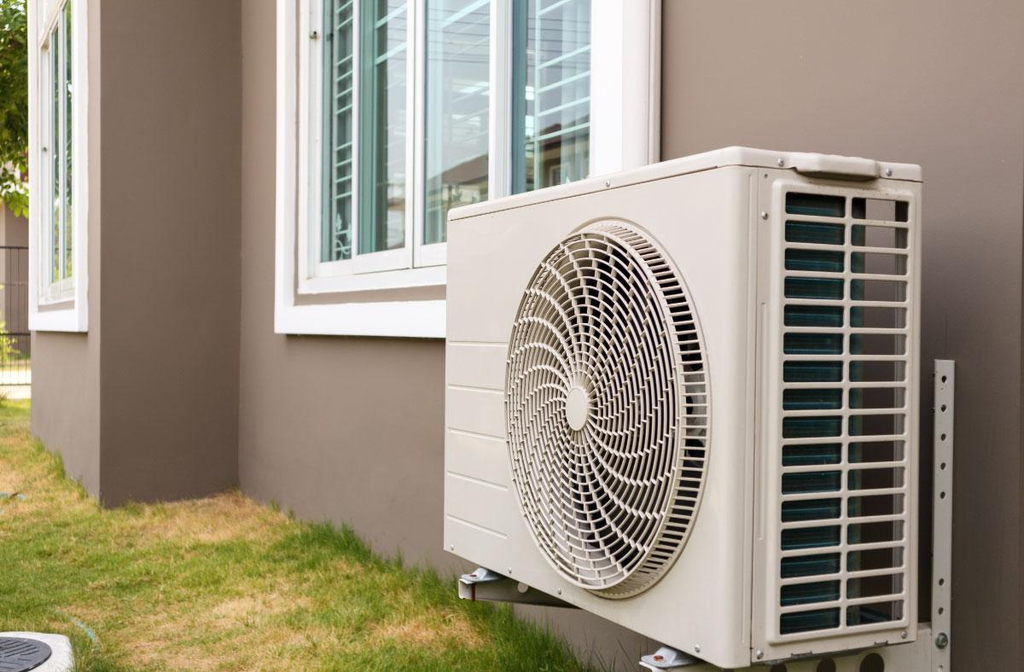
The outdoor condenser unit has a job: take the heat from inside your home and dump it outside. If it can’t do that efficiently, your entire system suffers.
Outdoor unit maintenance checklist:
- Clear debris: Remove leaves, dust, plastic bags, or anything blocking the vents
- Wash the fins: Gently spray water on the condenser fins to remove dust. Do this every month in summer
- Check the surroundings: Plants growing too close, a wall right next to it, or junk piled around it all restrict airflow and reduce efficiency
- Shade if possible: If the unit is in direct afternoon sunlight, a shade structure (not touching the unit) can improve performance by 5 to 10%
12. Watch for These Refrigerant Leak Warning Signs
Refrigerant slowly leaks in many older ACs. When the refrigerant level drops, your AC struggles to cool effectively it runs longer, works harder, and your bill goes up.
Warning signs your refrigerant might be low:
- Room takes much longer to cool than it used to
- AC runs continuously without reaching the set temperature
- Ice forming on the indoor unit or copper pipes
- Hissing or bubbling sounds from the unit
- Warm air blowing even when the compressor is running
If you notice any of these, call a technician. Refrigerant recharging costs ₹800 to ₹2,000, but an AC running on low refrigerant can waste far more than that in electricity before you fix it.
Part 4: Smart Choices When Buying or Upgrading
If you’re in the market for a new AC or thinking about an upgrade, these decisions will affect your electricity bill for the next 8 to 12 years.
13. Inverter AC vs Non-Inverter: The Difference Is Massive
This deserves more attention than it usually gets.
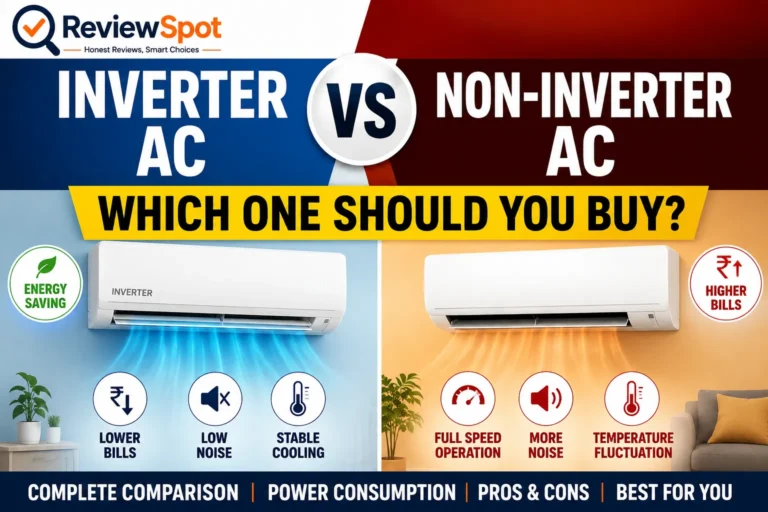
A non-inverter AC works like an on/off switch: the compressor runs at full power until the room reaches the target temperature, then shuts off. Then it starts again. Then shuts off. This constant starting and stopping wastes a lot of energy (motors use the most power at startup).
An inverter AC works like a dimmer switch: the compressor runs continuously but adjusts its speed based on how much cooling is needed. When the room is almost at the target temperature, it slows down to a gentle hum. This is dramatically more efficient.
Real-world comparison for a 1.5-ton AC running 8 hours/day:
| AC Type | Daily Units Used | Monthly Cost (₹7/unit) |
|---|---|---|
| 3-Star Non-Inverter | ~14 units | ~₹2,940 |
| 5-Star Non-Inverter | ~12 units | ~₹2,520 |
| 5-Star Inverter | ~8 to 10 units | ~₹1,680 to ₹2,100 |
An inverter AC typically costs ₹3,000 to ₇,000 more upfront but saves ₹800 to ₁,200 per month. It pays for itself in one summer.
14. Choose the Right Size: Bigger Isn’t Better
This is a surprisingly common and expensive mistake. People assume a larger AC will cool the room faster and stay there. What actually happens is the opposite.
An oversized AC short-cycles: it cools the room too quickly, shuts off, the room warms up, and it starts again. This wastes energy and also fails to dehumidify the room properly (because dehumidification needs sustained runtime, not quick bursts).
General sizing guide for Indian conditions:
| Room Size | Recommended AC Size |
|---|---|
| Up to 120 sq ft | 0.75 to 1 ton |
| 120 to 180 sq ft | 1 to 1.2 ton |
| 180 to 250 sq ft | 1.5 ton |
| 250 to 350 sq ft | 2 ton |
Add about 10 to 15% if the room has large west-facing windows or a flat roof that gets direct sunlight.
Choosing the right AC size is particularly important for a small 100 sq. ft. room because an oversized or undersized unit can affect both comfort and electricity consumption.
15. The BEE Star Rating: What It Actually Means in Rupees
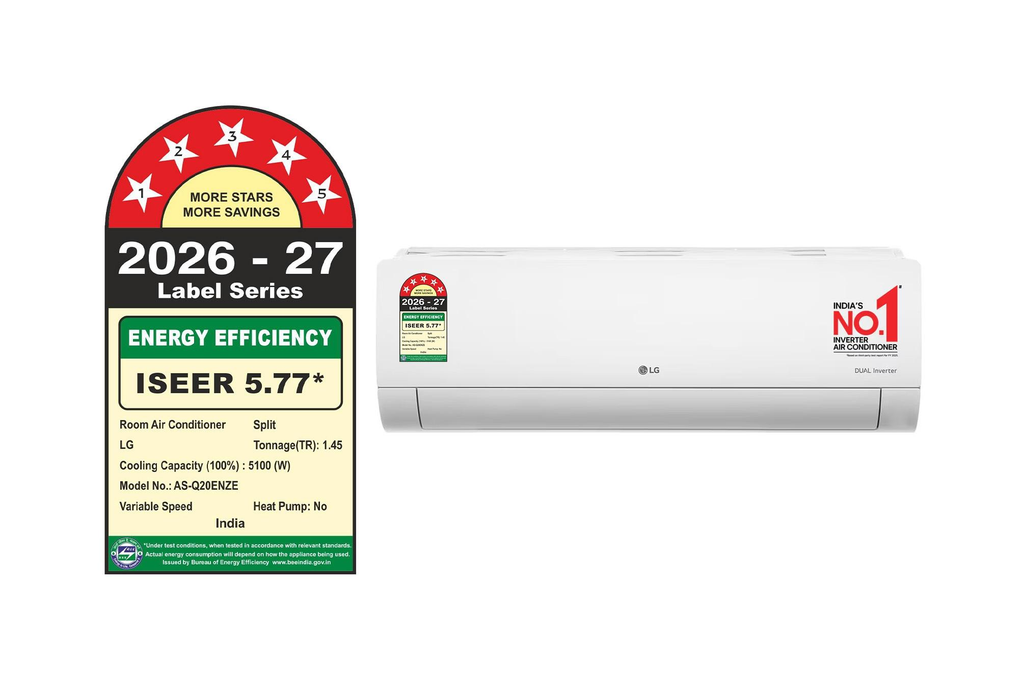
When buying an AC, the star rating label tells you the ISEER (Indian Seasonal Energy Efficiency Ratio) basically, how many units of cooling you get per unit of electricity.
Higher ISEER = more cooling per rupee spent on electricity.
The difference between a 3-star and 5-star AC isn’t just a marketing number. Over 5 years of typical use, a 5-star inverter AC can save ₹40,000 to ₹80,000 in electricity compared to a 3-star non-inverter — often far more than the price difference.
Part 5: Daily Habits That Add Up
16. Don’t Cool Empty Rooms
Sounds obvious, but worth saying: if nobody is in the room, turn the AC off (or use the timer). Many people let the AC run in a bedroom all afternoon because they’ll “be there later.”
Set a timer instead. Modern ACs can cool most rooms to a comfortable temperature in 15 to 20 minutes — you don’t need to pre-cool for hours.
17. Use the “Auto” Fan Speed Setting
When you set the AC fan to “High,” it feels cooler faster but it also makes the room feel drafty and the compressor doesn’t run as efficiently.
The “Auto” fan setting lets the AC choose the right fan speed for conditions. Generally, this means high fan speed at first (for quick cooling) and lower speed to maintain temperature. Most users save 5 to 10% just by switching to Auto.
18. Cool People, Not Furniture
Direct the AC vents toward where people are sitting or sleeping not at walls, corners, or empty spaces. Cold air hits you directly, you feel comfortable at a higher temperature, and the AC doesn’t have to work as hard.
Most AC vents are adjustable. It takes 10 seconds to redirect them and can meaningfully improve your comfort without changing any settings.
19. Keep Electronics Away From the Thermostat Sensor
Your AC’s thermostat (temperature sensor) is usually in or near the indoor unit. If a TV, computer, or floor lamp is placed nearby, the heat from that device makes the sensor think the room is warmer than it is — causing the AC to overcool.
Keep heat-producing electronics away from the indoor unit.
Part 6: Less Obvious Tips That Most Guides Miss
20. Your Body Heat Is Part of the Equation
This sounds weird, but it’s real: every person in a room adds about 75 to 100 watts of heat load. Five people in a room? That’s like having a 400-watt heater running.
This is why ACs struggle during parties or family gatherings. If you’re hosting more people than usual, lower the target temperature slightly before guests arrive, or accept that the room will be a few degrees warmer.
For sizing calculations if you’re buying a new AC, a room regularly used by 4+ people needs to be treated as if it’s 10 to 15% larger.
21. The Voltage Fluctuation Problem
In many parts of India, electricity voltage fluctuates sometimes dropping significantly. When voltage is low, your AC’s motor draws more current to compensate, which actually increases electricity consumption and also stresses the compressor.
If your area has frequent voltage fluctuations, a voltage stabilizer isn’t just about protecting your AC — it can also improve efficiency and reduce electricity consumption by 5 to 8%.
Modern inverter ACs often have built-in voltage protection (check your manual), but older units definitely benefit from a stabilizer.
22. Strategic Ventilation in the Morning and Evening
Here’s a free tip: ventilate at the right times.
In most parts of India, outside temperature drops significantly between 5 AM and 8 AM. If you open your windows during these hours, let cool air flood in naturally, and then close everything before 9 AM (when it starts warming up), you start the day with a pre-cooled home.
This means your AC has to do less work during the morning, which reduces total runtime throughout the day.
Same applies in the evening if outside temperature has dropped below your indoor target temperature (usually by 8 or 9 PM in many cities), turn off the AC, open the windows, and let natural cooling take over.
23. Cooking Timing Changes Everything
Cooking dinner at 7 PM while the sun is still adding heat to your home means your AC fights both the outdoor heat and your stove simultaneously.
If you can shift cooking to early morning or after 8 PM (when outdoor temperatures have dropped), your AC has much less to deal with. This is a behavioral change, not a purchase and it’s completely free.
24. The “2-Degree Rule” for Gradual Adaptation
If you’ve been running your AC at 20°C for years, jumping to 24°C might feel uncomfortable at first. Your body adapts to the temperature you live in.
Instead of a sudden change, raise the temperature by 1°C every week. After 3 to 4 weeks, 24°C will feel perfectly comfortable. Your body genuinely adapts this isn’t just willpower.
At 24°C instead of 20°C, you save roughly 24 to 32% on AC electricity. On a ₹3,000 monthly bill, that’s ₹720 to ₹960 saved per month — for zero cost.
25. Dress for the Temperature You Want to Feel
This might sound patronizing, but hear it out: wearing appropriate clothing indoors significantly affects what temperature you need to feel comfortable.
Light cotton clothes in summer let you feel comfortable at 25 to 26°C. Sitting in jeans and a thick t-shirt means you need 22°C to feel the same comfort level.
This is especially relevant in office settings, but it applies at home too. It’s not about suffering — it’s about not creating an artificial need for more cooling than your body actually requires.
26. Consider a Portable Evaporative Cooler as a Supplement
In cities where humidity is relatively low (Delhi, Rajasthan, interior Maharashtra), a portable evaporative cooler (desert cooler) uses about 150 to 200 watts — roughly 10 to 15% of an AC’s power draw — and can meaningfully reduce how often you need the AC.
Use it during mild days or transitional months (March-April and September-October) instead of the AC. Reserve the AC for truly brutal days.
This hybrid approach can reduce annual AC usage by 20 to 30%, which shows up very clearly in your annual bill.
27. Get an Energy Audit — Once, for Free
Many state electricity boards and DISCOMs offer free home energy audits. A technician visits your home, measures actual consumption, and identifies your biggest waste areas.
Even if your utility doesn’t offer this, some private firms do it for ₹500 to ₹1,500. They often identify issues (refrigerant leaks, poor insulation spots, wrong AC sizing) that save far more than the audit fee in the first month.
What This Costs You vs. What You Save
Let’s put numbers to this. Here’s a realistic estimate of what implementing these changes could save:
| Action | One-Time Cost | Monthly Savings |
|---|---|---|
| Raise temperature to 24°C | ₹0 | ₹400 to ₹800 |
| Use Sleep Mode + timer | ₹0 | ₹200 to ₹400 |
| Clean filter regularly | ₹0 | ₹150 to ₹400 |
| Seal door/window gaps | ₹300 to ₹600 | ₹150 to ₹350 |
| Blackout curtains | ₹800 to ₂,000 | ₹200 to ₹500 |
| Ceiling fan + AC combo | ₹800 to ₁,500 (if needed) | ₹200 to ₹400 |
| Reflective window film | ₹500 to ₁,500 | ₹200 to ₂00 |
| Annual professional service | ₹600 to ₹1,000/year | ₹200 to ₂00 |
Realistic total savings: ₹1,200 to ₹3,000 per month for most households, with upfront costs well under ₹5,000.
That’s the kind of number that turns into real money over a summer — or over years.
The Honest Summary: How to Reduce AC Electricity Bill Without Suffering
Let’s be clear about something: reducing your AC electricity bill doesn’t mean being uncomfortable. It means being smarter about comfort.
The biggest single change you can make raise your temperature setting and use a ceiling fan costs nothing and most people don’t even notice the difference after a week of adjustment.
The highest-ROI purchase you can make seal gaps and add blackout curtains costs under ₹2,000 and pays back in the first month.
If you’re buying a new AC, get a 5-star inverter. It’s not even close on economics.
And maintain the thing. A clean, well-maintained AC runs efficiently for 10 to 15 years. A neglected one quietly drains ₹500 to ₹1,000 extra per month while also dying faster.
You don’t need to implement all 27 tips at once. Start with the free ones (temperature, timer, Sleep Mode, ceiling fan). Then do the cheap maintenance (filter cleaning). Then add the low-cost physical fixes (curtains, door seals).
By the time your next bill arrives, you should see a real difference not a marginal tweak, but the kind of drop that makes you want to show someone.
FAQs
Q: What is the best temperature to set AC to save electricity in India?
24°C is the BEE-recommended setting and generally the best balance between comfort and efficiency. At night, 26°C with Sleep Mode active saves even more, because your body temperature drops while you sleep and you genuinely need less cooling.
Q: Does turning AC on and off frequently waste more electricity?
Yes, compressor startup draws more current than steady-state operation. If you’re leaving the room for 15 to 20 minutes, it’s often more efficient to leave the AC running. For longer absences (30+ minutes), turn it off or use a timer.
Q: Can I reduce my AC bill without buying anything new?
Absolutely. The free changes temperature setting, Sleep Mode, timers, ceiling fan combination, ventilating at cooler times of day, and keeping the filter clean can reduce your bill by 25 to 40% with zero investment.
Q: Is it cheaper to run one large AC or two smaller ones?
One larger AC in a central location typically uses less electricity than two smaller units cooling separate rooms, assuming both rooms need cooling simultaneously. But if you only need to cool one room at a time, a single smaller unit in that room beats a large central unit every time.
Q: How often should I service my AC?
Professional servicing once a year (before summer) and DIY filter cleaning every 2 to 4 weeks during heavy use. That’s it. Stick to this and most ACs run efficiently for 10+ years.
Implementing even half the tips in this guide on how to reduce AC electricity bill can realistically cut your monthly AC costs by 30 to 50%. That’s not marketing language that’s what happens when you fix real inefficiencies with practical solutions. Start with the free changes today.
Related Post:
- 10 Best Air Conditioner For Apartment in India 2026
- [9 Reasons] Why is my air conditioner leaking water inside the house?
- A Comprehensive Exploration of the Best Air Conditioner Compressor
- How to Choose the Right Air Cooler Based on Room Size
Sourabh researches and writes about home appliances, kitchen appliances, and common appliance problems to help readers make informed buying decisions. He covers mixer grinders, refrigerators, air conditioners, washing machines, and appliance troubleshooting.
At ReviewSpot, Sourabh compares manufacturer specifications, product features, warranty information, pricing, and customer feedback to turn technical appliance information into practical buying advice. His goal is to help readers understand their options, avoid costly mistakes, and choose products that fit their needs and budget.
ReviewSpot distinguishes manufacturer information, customer feedback, and editorial analysis, and does not describe products as hands-on tested unless they have actually been tested.