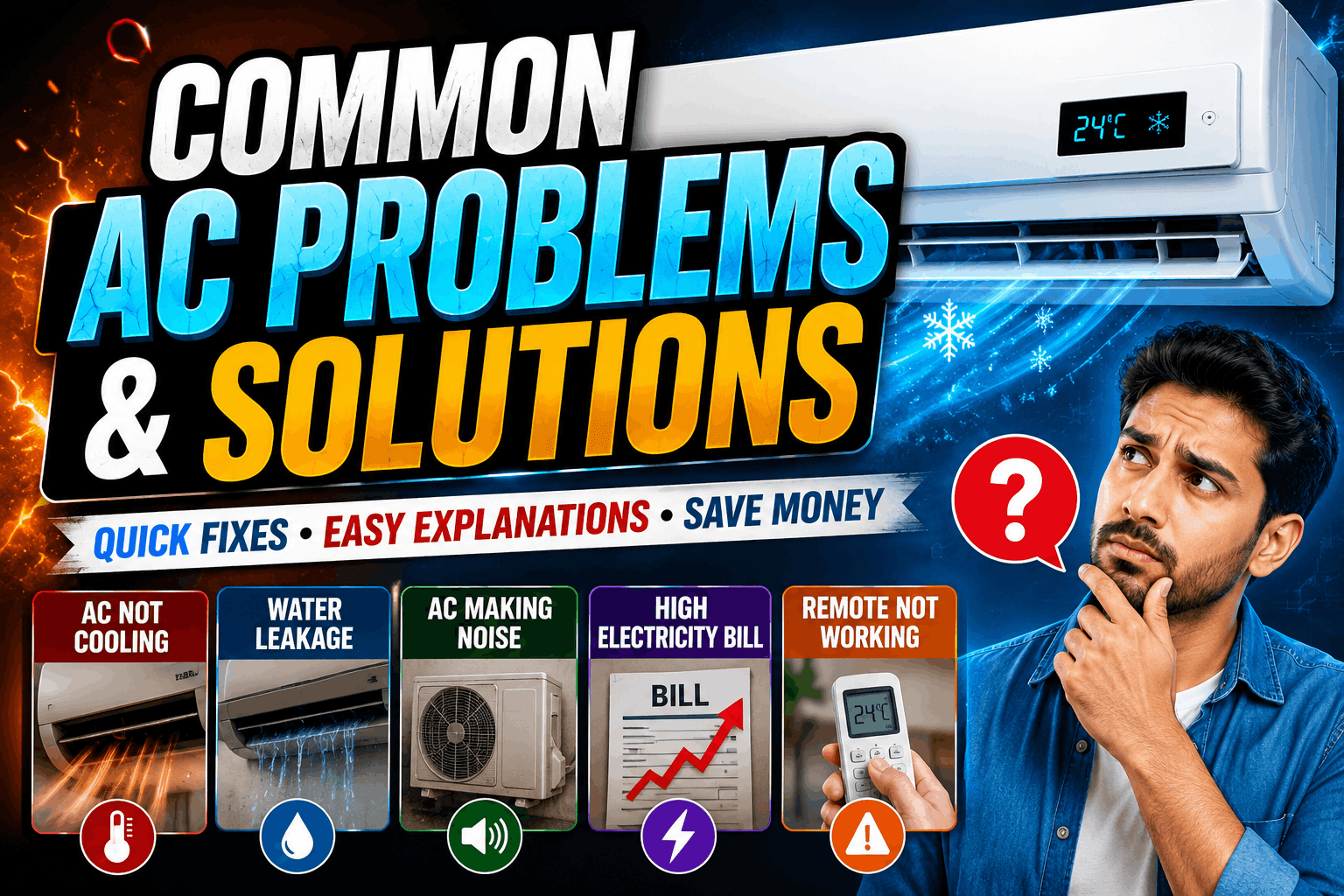
8 Common AC Problems and Solutions: Complete Troubleshooting Guide for Every Home

Air conditioners make summer bearable. But the moment your Air conditioner stops cooling, starts making strange noises, smells weird, or suddenly trips the MCB, panic kicks in faster than the heat outside.
The good news? Most air conditioner issues are common, easy to identify, and sometimes even simple to fix without immediately calling a technician.
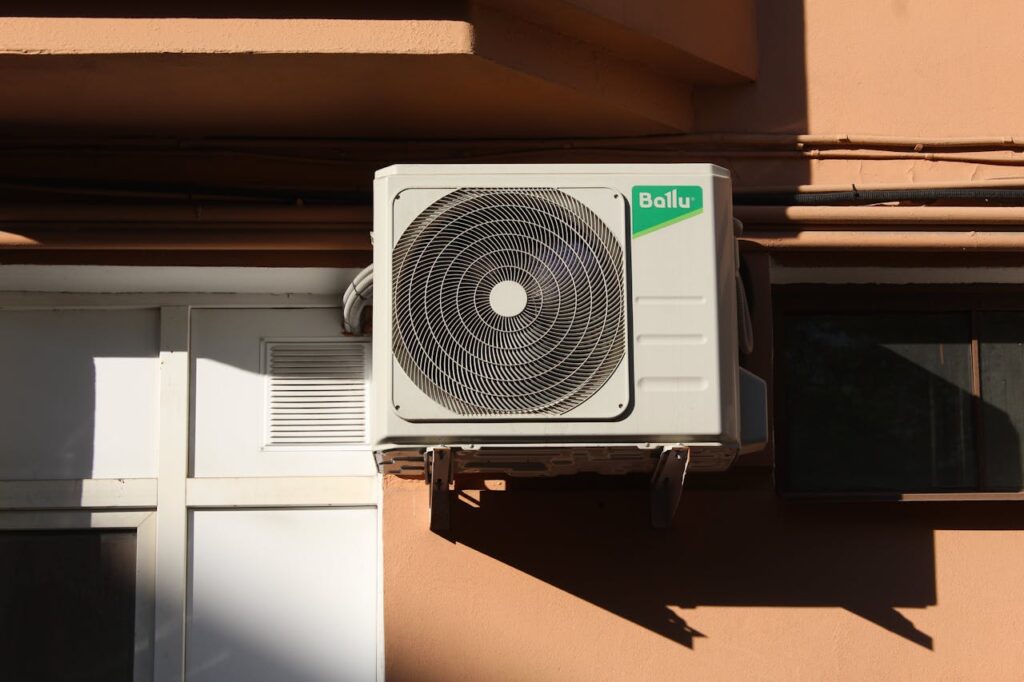
In this detailed guide, we’ll cover the most common AC problems and solutions in easy English. Whether your AC is not cooling properly, not turning on, making loud noises, leaking gas, or consuming too much electricity, this article will help you understand the real reasons behind these problems and what you can do about them.
By the end of this guide, you’ll know:
- Why your AC is not cooling properly
- What causes loud AC noise
- Signs of AC gas leakage
- Why your AC trips the MCB
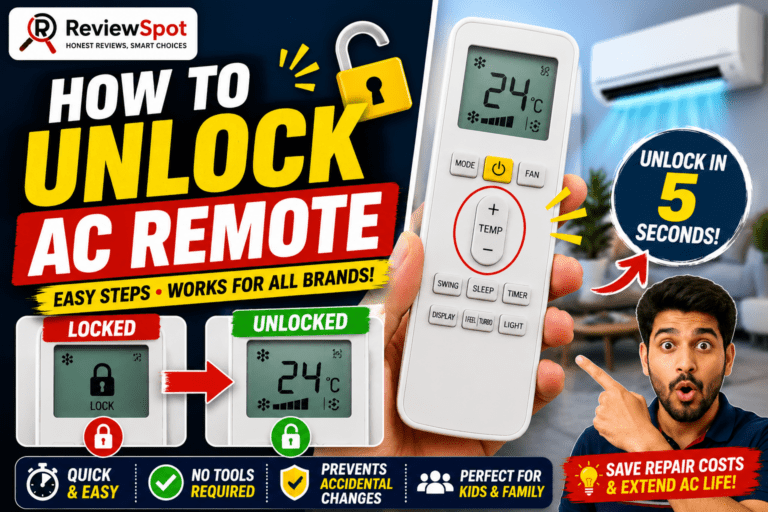
- How to fix an AC remote
- Why your AC smells bad
- How to reduce AC electricity consumption
- When to repair and when to replace your AC
Common AC Problems and Solutions
Air conditioners work hard during summer. Dust, poor maintenance, voltage fluctuations, and aging parts can slowly create problems.
Here are the most common AC problems and solutions homeowners face:
| Problem | Possible Cause | Quick Solution |
|---|---|---|
| AC not cooling properly | Dirty filter, low gas, blocked coil | Clean filters and service AC |
| AC not turning on | Power issue, faulty capacitor | Check power and MCB |
| AC making loud noise | Loose parts or fan issue | Tighten components |
| AC smells bad | Mold or dirty drain | Deep cleaning needed |
| AC outdoor unit noise problem | Compressor or fan problem | Technician inspection |
| Signs of AC gas leakage | Low cooling and ice buildup | Gas refill after leak repair |
| Why AC trips the MCB | Overload or short circuit | Electrical inspection |
| AC remote not working fix | Dead batteries or sensor issue | Replace batteries |
Now let’s discuss every issue in detail.
1. Why AC Is Not Cooling Properly
One of the biggest complaints people have during summer is this:
“My AC is running, but the room still feels hot.”
If your AC is not cooling properly, several reasons could be responsible.
1. Dirty Air Filters
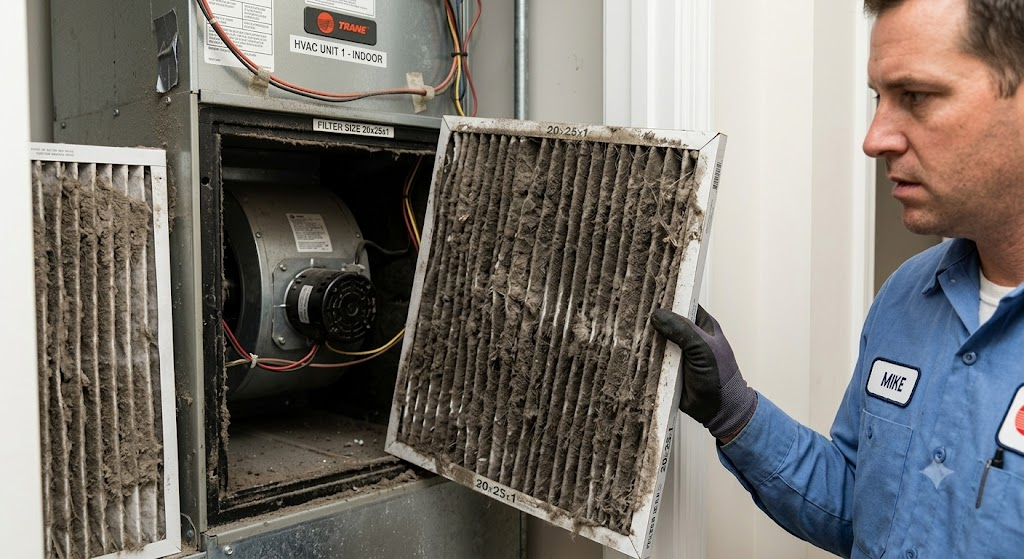
This is the most common reason. When filters become dirty, airflow gets blocked. Your AC struggles to push cool air into the room.
Signs
- Weak airflow
- AC takes too long to cool
- Higher electricity bill
- Dust around vents
Solution
- Clean filters every 15–20 days in summer
- Wash with water and dry completely
- Replace damaged filters
If poor cooling is caused by dust buildup, start by cleaning the filters and checking the accessible components that the manufacturer allows users to clean. An AC cleaning kit can be useful for suitable routine cleaning, while refrigerant, electrical or mechanical problems require professional service.
2. Low Refrigerant Gas
Low gas means your AC cannot absorb heat properly.
Signs of Low Gas
- AC blows normal air instead of cold air
- Ice forms on indoor coil
- Water leakage
- Hissing sound
Solution
- Call a professional technician
- Repair leakage first
- Refill refrigerant gas
3. Dirty Condenser Coil
The outdoor unit releases heat outside. Dust and dirt block heat transfer.
Signs
- Outdoor unit becomes extremely hot
- Poor cooling
- Compressor overheating
Solution
- Clean outdoor coil regularly
- Keep outdoor unit free from dust and leaves
4. Incorrect Temperature Settings
Sometimes the problem is surprisingly simple.
People accidentally:
- Set fan mode instead of cool mode
- Increase temperature too high
- Use sleep mode unknowingly
Solution
- Set temperature between 24–26°C
- Use Cool Mode
- Keep fan speed medium or high
5. Oversized or Undersized AC
A small AC struggles to cool large rooms. An oversized AC cools too quickly without removing humidity.
Solution
Choose the correct tonnage:
| Room Size | Recommended AC |
|---|---|
| Up to 120 sq ft | 1 Ton |
| 120–180 sq ft | 1.5 Ton |
| 180–250 sq ft | 2 Ton |
6. AC Is Not Turning On
Nothing feels worse than pressing the remote and getting absolutely no response. If your AC is not turning on, don’t panic yet.
7. Power Supply Problem
Sometimes the issue isn’t the AC it’s the power connection. If your area experiences frequent voltage fluctuations, using a voltage stabilizer for your AC can provide an additional layer of protection against unstable power and help protect sensitive components such as the PCB.
Check:
- MCB
- Plug point
- Stabilizer
- Loose wiring
Solution
- Reset MCB
- Try another socket
- Check voltage supply
8. Remote Control Problem
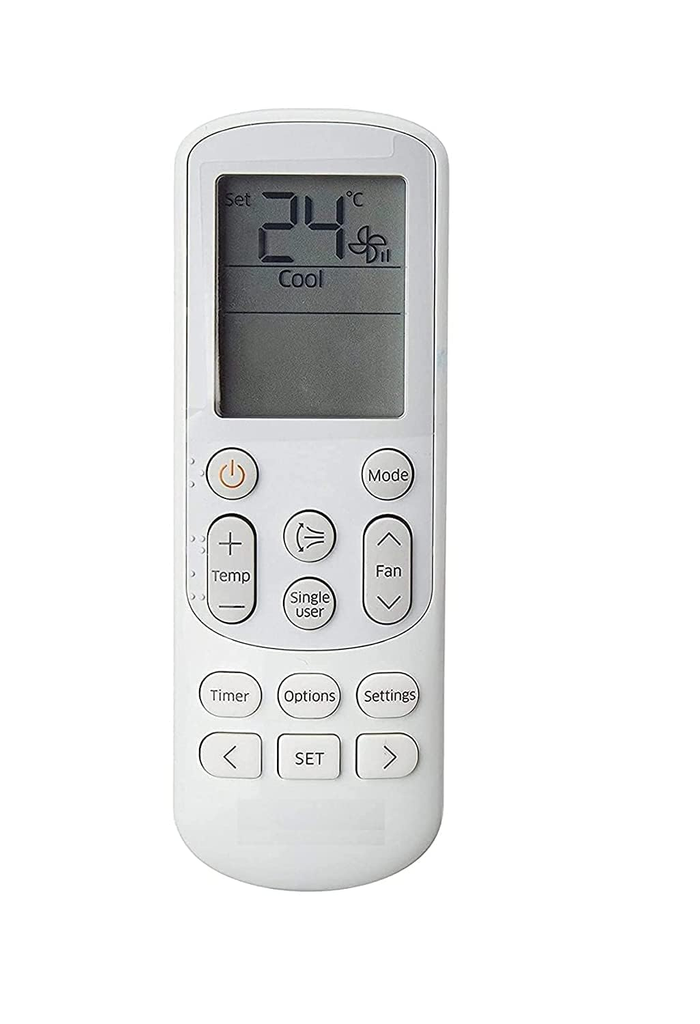
Many people think the AC is dead when the remote is actually faulty.
Solution
- Replace batteries
- Clean remote sensor
- Try manual power button
9. Capacitor Failure
The capacitor helps start the compressor and fan motor.
Signs
- Clicking sound
- AC tries to start but fails
- Outdoor unit not running
Solution
Replace capacitor through a technician.
10. PCB Malfunction
Modern inverter ACs use electronic PCBs. Voltage fluctuations can damage them.
Signs
- Display blinking
- Random shutdown
- Error codes
Solution
- Professional inspection required
- Use voltage stabilizer
2. AC Making Loud Noise
Air conditioners naturally make some sound, but loud noises usually indicate a problem.
1. Loose Screws or Panels
Over time, vibration loosens internal parts.
Sounds
- Rattling
- Vibrating
- Buzzing
Solution
- Tighten screws
- Secure mounting brackets
2. Fan Motor Problem
A damaged fan motor can create grinding or squealing sounds.
Signs
- Loud spinning noise
- Reduced airflow
Solution
- Lubricate motor
- Replace damaged fan blade
3. Compressor Noise
The compressor is the heart of the AC. Loud compressor sounds may indicate:
- Wear and tear
- Gas pressure issues
- Internal damage
Solution
Professional diagnosis required.
3. Why AC consuming more electricity?
Many people fear using ACs because of electricity bills. But understanding AC electricity consumption explained properly can help reduce costs significantly.
How Much Electricity Does an AC Consume?
Approximate usage:
| AC Type | Hourly Consumption |
|---|---|
| 1 Ton AC | 0.8–1.2 Units |
| 1.5 Ton AC | 1.2–1.8 Units |
| 2 Ton AC | 1.8–2.5 Units |
Actual consumption depends on:
- Room insulation
- Outdoor temperature
- AC star rating
- Usage habits
How to Reduce AC Electricity Consumption
Use 24–26°C Setting
Every 1°C lower increases power usage significantly.
Clean Filters Regularly
Dirty filters force the AC to work harder.
Use Inverter AC
Inverter ACs adjust compressor speed intelligently.
Close Doors and Windows
Cool air escaping means wasted electricity.
Use Ceiling Fans Alongside AC
Fans help distribute cool air evenly.
4. Why AC Smells Bad?
A bad-smelling AC can ruin comfort instantly. If your AC smells bad, don’t ignore it.
1. Mold and Fungus Build-Up
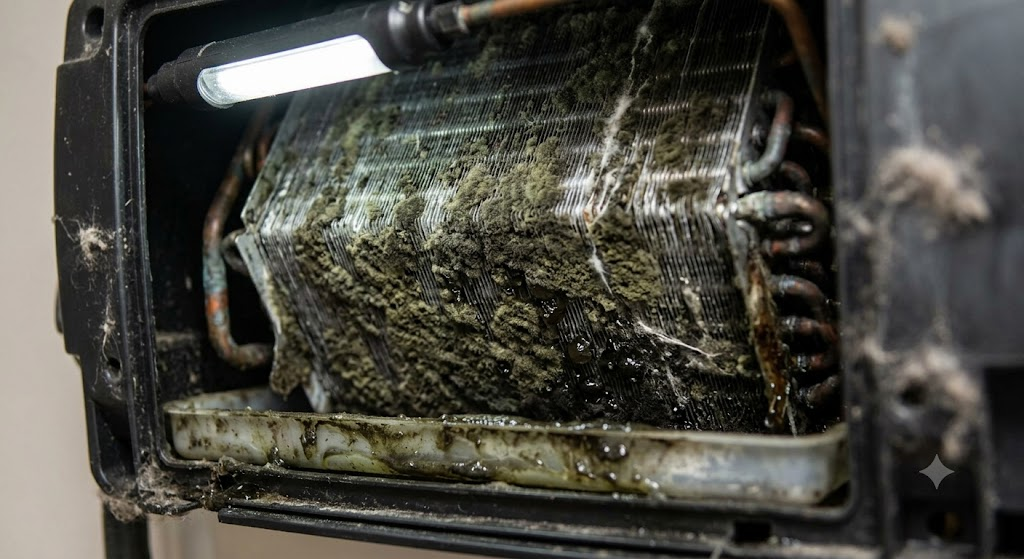
Moisture inside the AC creates the perfect environment for mold.
Smell
- Musty
- Damp
- Wet cloth smell
Solution
- Deep clean indoor unit
- Clean drain pipe
- Use anti-bacterial spray
2. Dead Insects Inside AC
Sadly, insects sometimes enter the indoor unit.
Smell
- Rotten odor
- Strong unpleasant smell
Solution
Professional cleaning required.
3. Burnt Wiring Smell
This is serious.
Causes
- Overheating wires
- Electrical short circuit
Solution
- Turn off AC immediately
- Call technician urgently
If your AC develops an unpleasant smell, cleaning the filter and suitable accessible components may help remove accumulated dirt. An AC cleaning kit for routine maintenance can be considered for appropriate DIY cleaning, but persistent odours may require professional inspection.
5. AC Outdoor Unit Noise Problem
The outdoor unit naturally creates some noise, but excessive sound indicates trouble.
Common Reasons for Outdoor Unit Noise
Loose Fan Blade
Creates:
- Clanking sound
- Vibrating noise
Solution
Tighten or replace fan blade.
Compressor Vibration
Older compressors become noisy with age.
Solution
- Install anti-vibration pads
- Compressor servicing
Debris in Outdoor Unit
Leaves, stones, or plastic can get stuck.
Solution
Clean outdoor area regularly.
6. Signs of AC Gas Leakage
Gas leakage is one of the most serious air conditioner problems. Many people keep refilling gas without fixing the actual leak. That’s like filling a bucket with holes in it.
Common Signs of AC Gas Leakage
1. Poor Cooling
The room never gets properly cold.
2. Ice Formation on Pipes
Low refrigerant pressure causes freezing.
Signs
- Ice on copper pipe
- Ice on indoor coil
3. Hissing Sound
Gas escaping creates a hissing noise.
4. Increased Electricity Bills
Low gas forces longer compressor operation.
7. Why AC Trips the MCB
If your AC trips the MCB repeatedly, it indicates an electrical problem. Never ignore this issue.
1. Compressor Overload
The compressor may draw excessive current.
Causes
- Dirty condenser
- Low voltage
- Faulty capacitor
Solution
Professional servicing required.
2. Short Circuit
Damaged wiring can trip the breaker instantly.
Signs
- Burning smell
- Sparks
- Immediate shutdown
Solution
Turn off AC and call electrician.
3. Wrong MCB Capacity
Some homes use undersized MCBs.
Solution
Use correct breaker size:
- 16A for small ACs
- 20–25A for larger ACs
8. AC Remote Not Working Fix
Sometimes the smallest device creates the biggest frustration. If your AC remote stops working, try these fixes first.
Replace Batteries
The simplest fix often works.
Clean Sensor
Dust blocks infrared signals.
Solution
Clean:
- Remote sensor
- Indoor unit receiver
Reset the Remote
Some remotes freeze electronically.
Solution
- Remove batteries
- Hold power button for 10 seconds
- Reinsert batteries
Mobile App Alternative
Many modern ACs support smartphone control.
Maintenance Tips to Avoid Common AC Problems
Prevention always costs less than repairs. Here’s how to keep your AC healthy.
Monthly Maintenance Checklist
Clean Air Filters
- Every 15–20 days
Check Drain Pipe
- Prevent water leakage
Clean Outdoor Unit
- Remove dust and leaves
Inspect Wiring
- Avoid loose connections
Monitor Cooling Performance
- Identify issues early
Annual AC Servicing Checklist
Professional servicing should include:
- Gas pressure check
- Coil cleaning
- Fan inspection
- Drain cleaning
- Compressor testing
- Electrical inspection
When Should You Replace Your AC?
Sometimes repairing an old AC repeatedly becomes more expensive than replacing it.
Replace Your AC If:
- AC is over 10–12 years old
- Electricity bills are too high
- Compressor fails repeatedly
- Cooling performance remains poor
- Repairs become frequent
Inverter AC vs Non-Inverter AC
| Feature | Inverter AC | Non-Inverter AC |
|---|---|---|
| Electricity Saving | High | Moderate |
| Noise Level | Lower | Higher |
| Cooling Stability | Better | Basic |
| Initial Cost | Higher | Lower |
| Compressor Speed | Variable | Fixed |
Final Thoughts
Air conditioners are no longer luxury appliances they are essential during extreme summers. But like every machine, ACs need regular maintenance and timely care.
The good news is that many common AC problems and solutions are easy to identify early if you pay attention to warning signs.
Remember these golden rules:
- Clean filters regularly
- Don’t ignore strange noises
- Service your AC annually
- Fix gas leaks immediately
- Use stabilizers for voltage protection
- Keep the outdoor unit clean
- Avoid setting extremely low temperatures
A well-maintained AC:
- Cools faster
- Consumes less electricity
- Lasts longer
- Creates fewer problems
- Saves repair costs
So the next time your AC starts acting strangely, you’ll know exactly where to begin troubleshooting instead of sweating in confusion while staring angrily at the remote.
And honestly, your AC deserves some care too after all, it fights summer battles for you every single day.
Related Post:
- 10 Best Air Conditioner For Apartment in India 2026
- [9 Reasons] Why is my air conditioner leaking water inside the house?
- A Comprehensive Exploration of the Best Air Conditioner Compressor
- How to Choose the Right Air Cooler Based on Room Size
- Air Cooler vs Air Conditioner: Which One Is Better for Your Home in 2026?
- How to Reduce AC Electricity Bill: 27 Practical Tips That Actually Work
Sourabh researches and writes about home appliances, kitchen appliances, and common appliance problems to help readers make informed buying decisions. He covers mixer grinders, refrigerators, air conditioners, washing machines, and appliance troubleshooting.
At ReviewSpot, Sourabh compares manufacturer specifications, product features, warranty information, pricing, and customer feedback to turn technical appliance information into practical buying advice. His goal is to help readers understand their options, avoid costly mistakes, and choose products that fit their needs and budget.
ReviewSpot distinguishes manufacturer information, customer feedback, and editorial analysis, and does not describe products as hands-on tested unless they have actually been tested.