Why Mixer Grinder Not Grinding Properly? 12 Easy Fixes That Actually Work

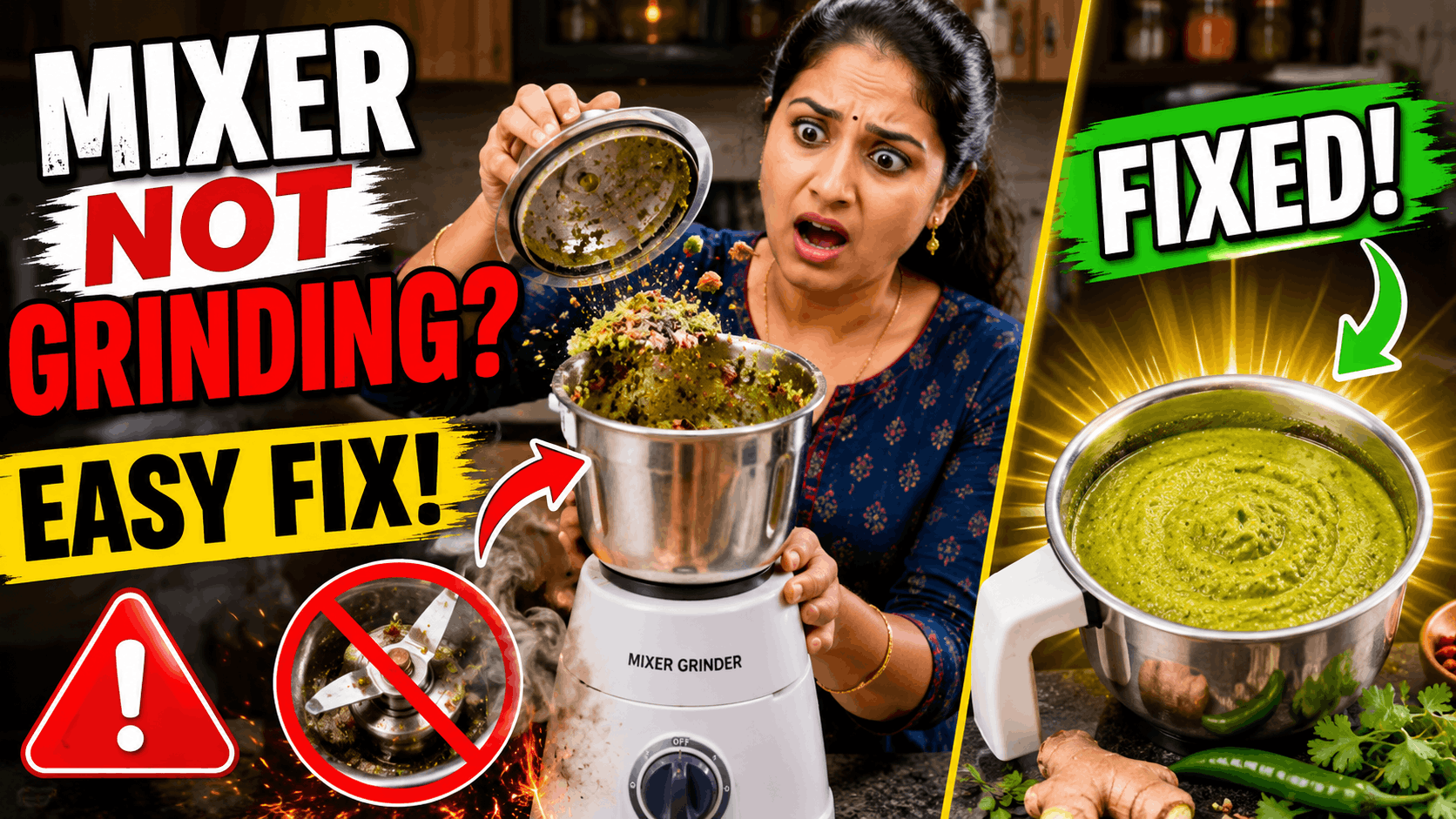
A mixer grinder is one of those kitchen appliances you only notice when it stops working properly. One day it makes smooth chutney in seconds, and the next day it struggles to grind even simple spices. If your mixer grinder is not grinding properly, don’t panic. In most cases, the problem is small and you can fix it at home without calling a technician.
Quick answer: The most common reason a mixer grinder is not grinding properly is dull or loose blades, an overloaded jar, using the wrong jar for the job, or a worn-out coupler. Fix the blade or coupler, load the jar correctly, and the problem goes away in most cases.
The most common reasons behind a mixer grinder not grinding properly are blunt blades, overloaded jars, loose couplers, low motor speed, improper jar placement, moisture inside the jar, or using the wrong jar for the wrong ingredient.
In this detailed guide, you’ll learn:
- Why your mixer grinder is not grinding properly
- Easy home fixes that actually work
- Warning signs of motor problems
- Maintenance tips to avoid future issues
- Mistakes most people make while grinding
- When you should repair or replace the mixer grinder
Why Your Mixer Grinder Not Grinding Properly: 12 Real Causes
Most grinding problems have a simple root cause. Here’s a complete breakdown of Mixer Grinder Is Not Grinding Properly.
1. The Blades Are Dull or Worn Out
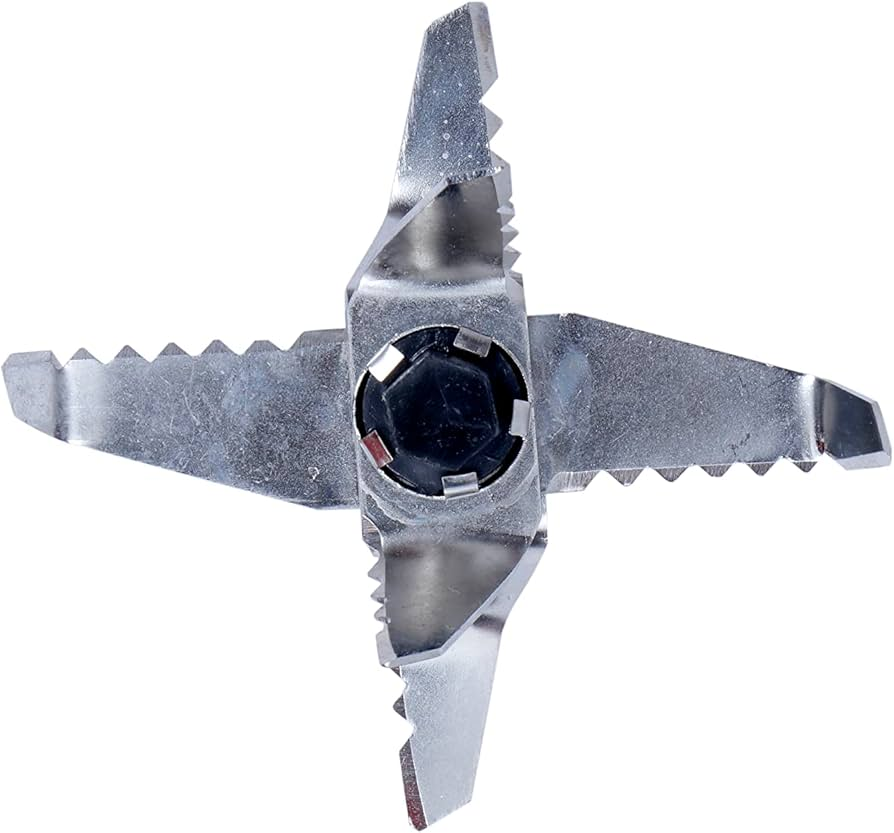
This is the number one reason a mixer grinder stops grinding properly. Blades don’t stay sharp forever. After months of grinding hard spices, lentils, and coconut, the cutting edges wear down.
The blades start pushing the ingredients around instead of cutting through them.
How to find:
- Chutney stays coarse
- Masala remains grainy
- Grinding takes longer than usual
- Ingredients stick to jar walls
How to fix:
- Remove the blade assembly carefully
- Clean stuck food particles
- Check for bends or cracks
- Replace blades if they look worn out
2. The Jar Is Overloaded
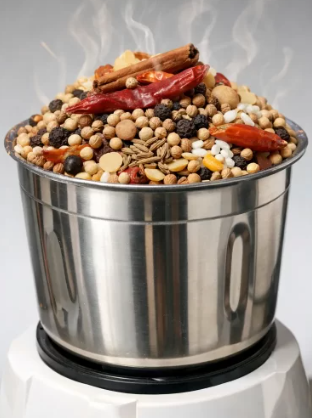
Overloading is probably the most common mistake people make, especially when cooking for a large family. But the motor isn’t designed to handle more than a certain weight and volume.
How to find:
- Blades can’t rotate freely
- Motor faces pressure
- Grinding becomes uneven
- Motor overheats quickly
How to fix: Fill the jar only up to 70% for dry grinding and 50-60% for wet grinding.
3. You’re Using the Wrong Jar
Your mixer grinder likely came with two or three jars of different sizes, and they’re not interchangeable for every task. Each jar is designed with a specific blade and shape for a specific job.

- Large jar is meant for wet grinding such as chutneys, batters, smoothies.
- Medium jar works best for semi-wet grinding like masala pastes and coconut grinding.
- Small dry grinding jar has a different blade that’s optimized for powdering dry spices, dals, and coffee.
Best practice: Use Small jar for spices and chutney, medium jar for masala and paste and large jar shakes and liquids.
4. Loose or Damaged/broken Coupler
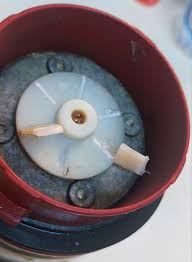
The coupler is that small rubber or plastic piece at the bottom of the jar that connects to the motor shaft. It connects the motor to the jar blades. If it becomes loose or worn out, the motor runs but the blades don’t spin properly. This is a very common reason for a mixer grinder not grinding properly.
How to find:
- Motor sound is normal but blades rotate slowly
- Jar slips during grinding
- Burning rubber smell
- Clicking noise
How to fix:
- Remove the jar and inspect the coupler at the bottom. If it looks worn, chipped, smoothor cracked replace it.
- Check the motor coupling, the part on the base unit itself. If that’s damaged, you may need professional help.
5. The Rubber Gasket Is Damaged or Missing

The rubber gasket is the ring-shaped seal that sits at the base of the blade assembly inside the jar. It prevents leakage, but it also affects the seal between the blade assembly and the jar walls. When the gasket wears out, the blade assembly gets slightly loose. That looseness affects the precision of the grinding.
How to find: You notice slight leakage from the bottom of the jar.
How to fix: Replace the rubber gasket.
6. Insufficient Liquid for Wet Grinding
For wet grinding tasks like idli/dosa batter, chutney, or masala paste, water is not just an ingredient it’s part of the grinding mechanism.
The liquid helps ingredients circulate around the blade. Wet grinding without enough liquid creates friction and blocks blade movement.
How to find: The ingredients seem stuck to the sides of the jar rather than moving around freely.
How to fix:
- Add water a little at a time while grinding
- Stop the machine, use a spatula to push ingredients back toward the center, add a bit of water, and restart.
7. The Motor Is Overheated
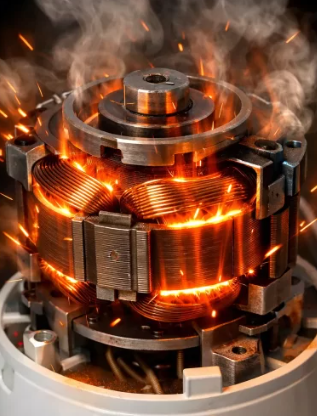
Most modern mixer grinders have an automatic power cut-off that shuts down the motor when it gets too hot. But sometimes the motor gets hot enough and slow down the grinding.
How to find: The grinder was working fine but gradually started grinding slower and less efficiently.
How to fix:
- Switch off the mixer grinder and let it rest for 20–30 minutes.
- If the thermal cut-off has tripped, look under the base unit for a small red or black reset button. Press it once, then plug back in and try again.
- Avoid running the grinder continuously for more than 3–4 minutes. Give it a 1–2 minute break between grinding sessions.
8. Grinding Hard Ingredients Without Pre-soaking
Some ingredients are just too hard to grind efficiently without a little preparation. Dried lentils, whole spices, hard nuts, and soaked rice needs to pre-soaking for few minutes before grinding.
How to find: On grinding chickpeas, urad dal, or dried spices and the output is coarse even after several minutes.
How to fix:
- Soak dried lentils and legumes for at least 2–4 hours before grinding.
- For hard dry spices, break them into smaller pieces manually before grinding.
- For nuts, a short soak or roasting them lightly first makes grinding much easier.
9. Low Voltage Supply
In many Indian homes, voltage fluctuation affects appliance performance. When voltage drops Motor loses speed, Grinding becomes weak and Mixer overheats.
How to find:
Grinding quality seems to vary at different times of day espacially evenings when electricity demand is high and voltage tends to drop.
How to fix:
- Use a voltage stabilizer.
- Avoid running high-power kitchen appliances simultaneously.
10. Food Particles Stuck Under Blades
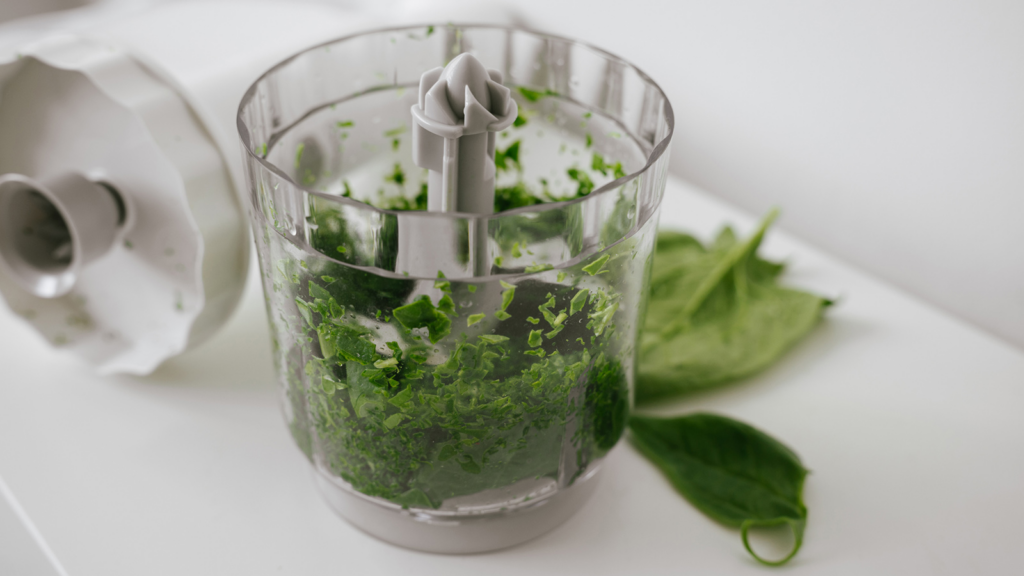
Tiny particles often get trapped under blades after repeated use. This creates Blade blockage. Uneven grinding, Bad smell and Extra noise.
How to fix:
- Remove blade assembly if possible
- Soak jar in warm water
- Use toothbrush for cleaning corners
- Dry completely before use
11. Jar Lid Isn’t Locked Properly
Sometimes jar lid is not Locked Properly or placement is loose this leads to incosistant grinding.
How to fix:
- Jar is properly fitted
- Lid is tightly closed
- Rubber ring is intact
12. Moisture in Dry Grinding Jar
If moisture is present in dry grinding jar then it will create lumps, Make powder sticky and Reduce blade efficiency.
How to fix:
- Wipe jar fully dry
- Keep spices moisture-free
- Avoid washing jar immediately before use
How to Maintain Your Mixer Grinder?
Here are some maintenance habits that will keep your mixer grinder properly for years.
- Clean the jar immediately after use
- Don’t submerge the jar in water.
- Check and replace the rubber gasket every year or two.
- Oil the blade assembly occasionally.
- Never grind extremely hard frozen items.
- Give the motor regular rest.
- Store jars with lids off.
When Should You Actually Call a Technician?
Not every problem can be fixed at home, and it’s important to know when to stop tinkering and get professional help.
Call a technician if:
- The motor doesn’t start at all even after pressing the reset button.
- You smell burning plastic or see smoke coming from the base unit.
- You feel any tingling or mild electric shock when touching the grinder.
- The motor makes a loud grinding or screeching metal-on-metal noise.
- The blades spin but the jar itself doesn’t rotate.
FAQs:
Why is my mixer grinder running but not grinding?
Usually because of a damaged coupler, blunt blades, or overloaded jar.
Can dull blades be sharpened?
Technically yes, but replacement is safer and more effective.
Why does my mixer grinder smell burnt?
Overheating, motor stress, or winding problems are common reasons.
Why is my mixer grinder making loud noise?
Loose blades, worn bearings, or motor issues may cause excessive noise.
How long should a mixer grinder last?
A good-quality mixer grinder can last 7-10 years with proper maintenance.
Why does dry masala stay coarse?
Possible reasons include moisture, blunt blades, or using the wrong jar.
How often should I replace mixer grinder blades?
For regular daily use, blades typically last 2–4 years before they need replacement.
Can I use a mixer grinder for grinding meat?
Most standard home mixer grinders in India are not designed for grinding raw meat. The motor wattage isn’t adequate, and the blade profile isn’t right for it.
Why does my mixer grinder vibrate excessively during grinding?
Vibration is usually caused by an improperly seated jar, a worn-out coupler, or a bent blade.
Is it safe to grind hot liquids or recently cooked food?
No. Never grind hot food in a mixer grinder. The steam builds up pressure inside the sealed jar and can cause the lid to fly off suddenly, risking burns and injury.
My mixer grinder works fine but takes too long to grind. What’s wrong?
Slow grinding is almost always a blade issue (dull blades) or a motor issue
Final Thoughts:
If your mixer grinder not grinding properly, the issue is usually easy to fix once you identify the real cause. In most cases, problems happen because of dull blades, overloaded jars, loose couplers, improper cleaning, or low motor performance.
The good news is that you don’t need to become an appliance engineer to solve these issues. A little maintenance, proper usage, and regular cleaning can make your mixer grinder work like new again.
And remember the mixer grinder is probably the hardest-working appliance in the kitchen after the refrigerator. Treat it well, and it’ll keep making smooth chutneys, masalas, and shakes without drama for years.
Related Posts:
- Mixer Grinder Power Consumption Per Hour in India
- Why Is My Mixer Grinder Vibrating Too Much?
- Mixer Grinder Sparking Inside?
- Mixer Grinder Spare Parts Online: Couplers, Gaskets & Blades Explained
Sourabh researches and writes about home appliances, kitchen appliances, and common appliance problems to help readers make informed buying decisions. He covers mixer grinders, refrigerators, air conditioners, washing machines, and appliance troubleshooting.
At ReviewSpot, Sourabh compares manufacturer specifications, product features, warranty information, pricing, and customer feedback to turn technical appliance information into practical buying advice. His goal is to help readers understand their options, avoid costly mistakes, and choose products that fit their needs and budget.
ReviewSpot distinguishes manufacturer information, customer feedback, and editorial analysis, and does not describe products as hands-on tested unless they have actually been tested.