Can Mixer Grinder Run on Inverter? Power Requirements, Inverter Size & Expert Tips

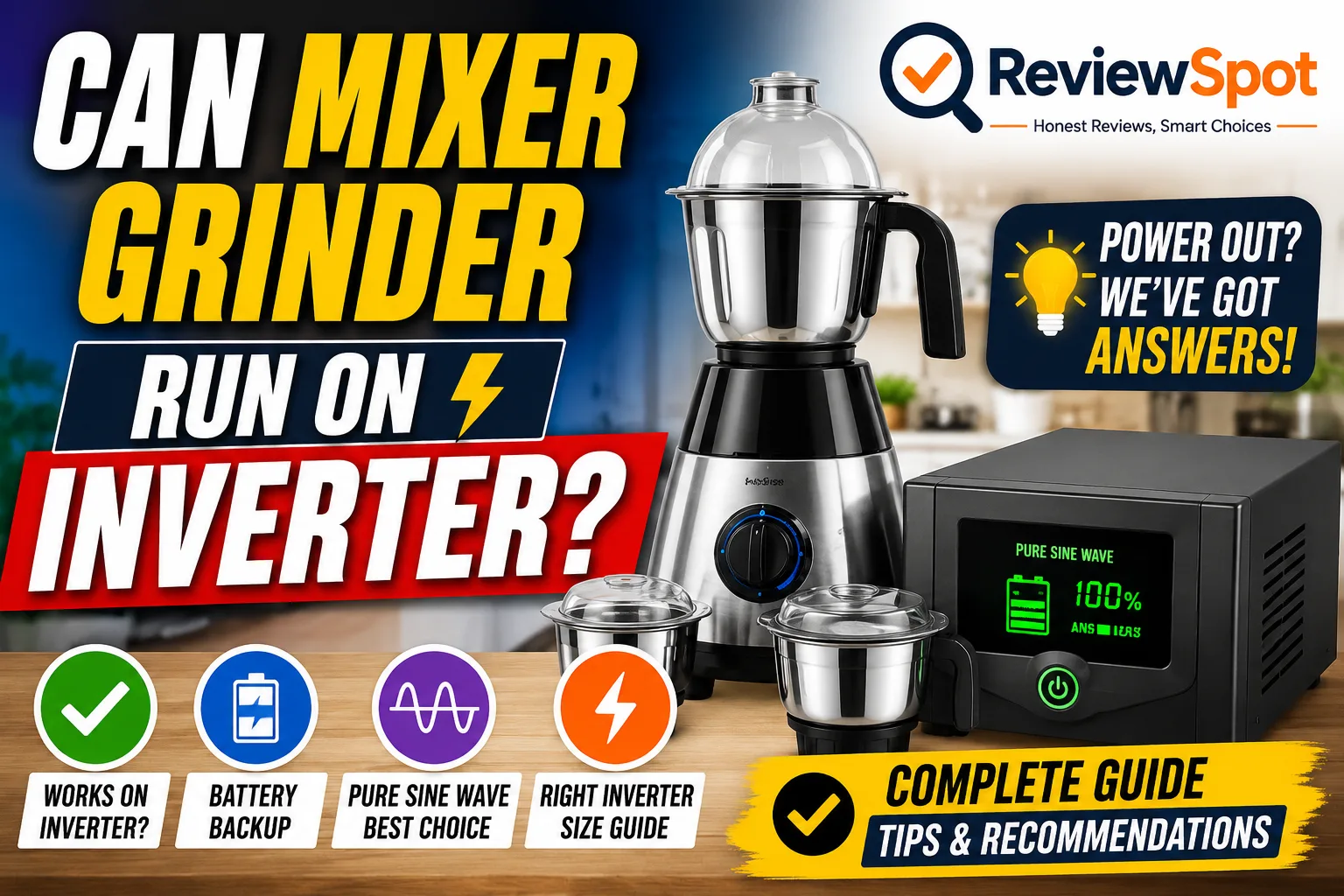
Yes, you can run a mixer grinder on a home inverter if the inverter can handle the appliance’s running power and startup surge. For a typical 500W–750W mixer grinder, check the inverter’s rated output in watts, its surge capacity and the manufacturer’s motor-load guidance before connecting it.
A pure sine wave inverter is generally the preferred option for motor-driven appliances. However, the correct inverter size depends on the specific mixer grinder, the inverter’s specifications and what else is running during a power cut.
Before choosing an inverter-compatible appliance, it’s worth reading our mixer grinder buying guide to understand power ratings, motor types, and key features.
Can Mixer Grinder Run on Inverter?
Yes, a mixer grinder can run on an inverter if the inverter has sufficient wattage and surge capacity.
General Guidelines
| Mixer Grinder Power | Recommended Inverter Size | What to check |
|---|---|---|
| 500W | 800W–1000W | Continuous inverter output above the actual running load |
| 750W | 1200W–1500W | Adequate continuous wattage and motor-starting surge capacity |
| 1000W | 1500W–2000W | Higher output capacity and manufacturer-confirmed suitability for the motor load |
| 1200W+ | 2000W+ Pure Sine Wave Inverter | Check the exact inverter’s motor-load limits, a standard home inverter may not be suitable |
- A 500W or 750W mixer grinder can run on most high-capacity home inverters.
- Pure sine wave inverters are strongly recommended.
- Modified sine wave inverters may cause overheating and reduced performance.
- The inverter must handle both running power and startup surge power.
The right mixer grinder wattage matters when choosing an inverter because higher-powered motors generally require more capacity and startup headroom.
Understanding Mixer Grinder Power Consumption
Before determining whether a mixer grinder can run on an inverter, you need to understand its power requirements.
Typical Power Ratings
| Type | Power Consumption |
| Small Mixer Grinder | 500W–600W |
| Standard Mixer Grinder | 750W |
| Heavy-Duty Mixer Grinder | 1000W–1200W |
| Commercial Mixer Grinder | 1500W–3000W |
Most homes use 500W to 750W mixer grinders. If you’re unsure about your appliance’s electricity needs, check our guide on how many watts does a mixer grinder use before selecting an inverter.
Before choosing an inverter, it helps to understand your mixer grinder power consumption and how wattage affects the electricity load.
What Does a Mixer Grinder Actually Need to Run?
Startup Power:
Before you plug anything in, you need to understand what a mixer grinder demands from a power source. Mixer grinders are motor-driven appliances, and motors more power when they first start up.
For example: A 750W mixer grinder may briefly require 1200W, 1500W or or even more for a few seconds when starting. This is called surge power or startup load.
| Mixer Grinder Type | Running Wattage | Estimated Surge Wattage | Suitable Inverter Size |
| Small personal blender | 250W – 400W | 600W – 900W | 1000VA / 700W+ |
| Standard home mixer grinder | 500W – 750W | 1,000W – 1,800W | 1500VA / 1000W+ |
| High-power mixer grinder | 750W – 1000W | 1,500W – 2,500W | 2000VA / 1500W+ |
| Commercial / heavy-duty spiral mixer | 2000W – 3000W+ | 5,000W – 7,500W+ | 5000VA or higher (not practical for home inverters) |
Understanding startup surge is important, and our mixer grinder power consumption guide explains why some appliances require more power when starting than during normal operation.
Understanding Inverter Capacity:
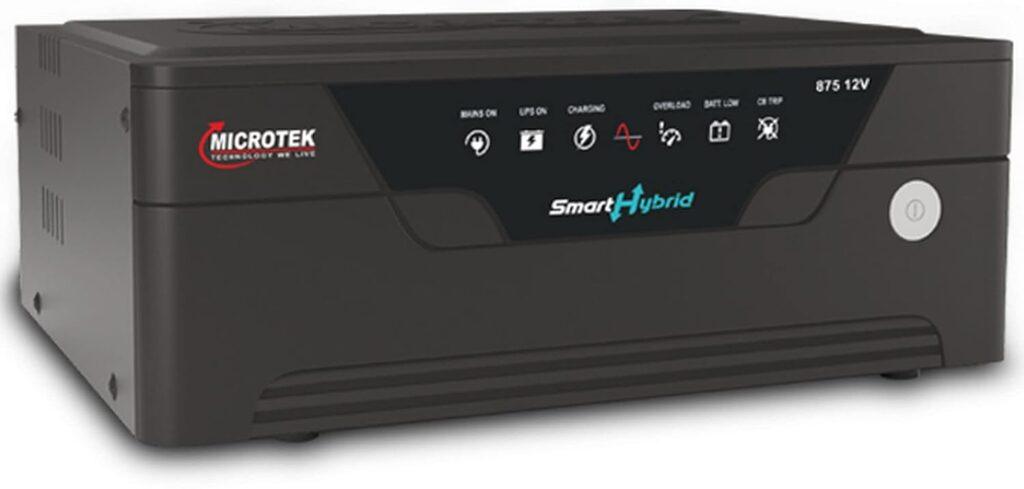
An inverter converts battery power into usable household electricity. During a power outage the energy stored in batter used. The inverter converts DC power to AC power.
Inverters are often rated in VA (volt-amperes), not watts. For most home inverters, the power factor is around 0.8. So a 1500VA inverter delivers roughly 1200 watts of usable power.
| Inverter Rating | Usable Watts (approx.) | Can It Run a 750W Mixer? | Recommended For |
| 500VA | ~400W | No | Lights, fans, small devices |
| 850VA | ~680W | Borderline (risky) | Basic electronics only |
| 1100VA | ~880W | Maybe (tight margin) | Small mixer + nothing else |
| 1500VA | ~1200W | Yes (comfortable) | Standard mixer grinder |
| 2000VA | ~1600W | Yes (good headroom) | Mixer + other appliances |
| 3000VA+ | ~2400W+ | Yes (easily) | Heavy-duty appliances |
Not all inverters are suitable for high-power kitchen appliances. Our guide to the best inverter for home use can help you choose the right model.
Pure Sine Wave Inverter vs. Modified Sine Wave
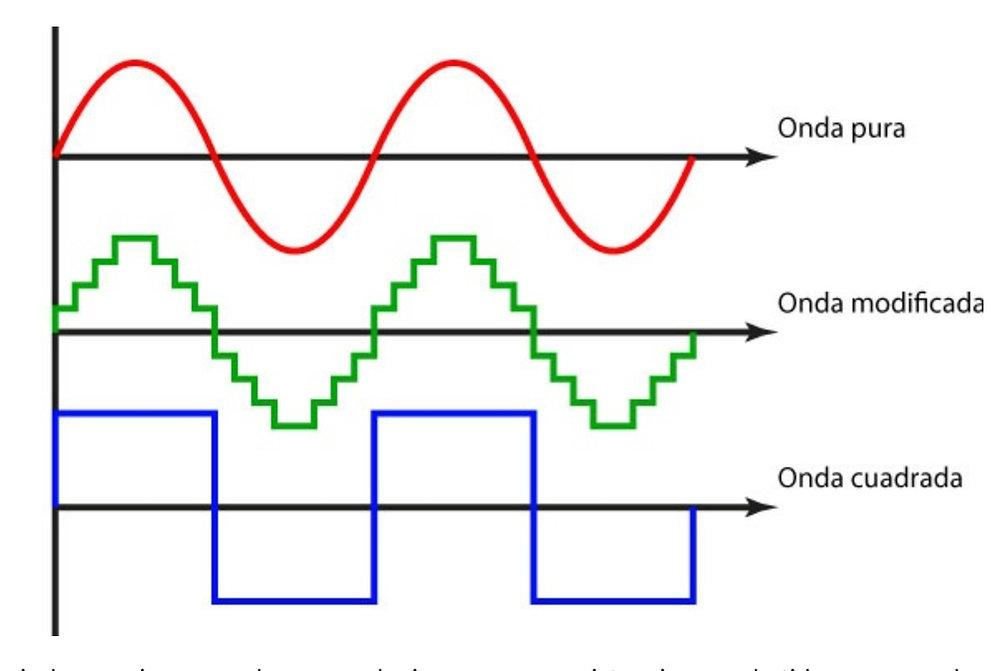
The type of inverter matters a lot for motor-driven appliances like mixer grinders.
Modified Sine Wave Inverters
These are cheaper and more common. They produce a stepped waveform that mimics a sine wave but isn’t a true one. For lights, phone chargers, and TVs, they work fine. For motors — not so much.
- Can cause the motor to run hotter than normal
- May produce a humming or buzzing noise from the motor
- Can shorten the motor’s lifespan over time
- Some mixer grinders may not start at all on modified sine wave
Pure Sine Wave Inverters
These produce clean power identical to what comes from your wall outlet. They cost more but are much better for motor-driven appliances.
- Mixer grinder runs exactly as it would on grid power
- No excess heat generated in the motor
- Full efficiency no power wasted as heat
- Longer appliance lifespan
Bottom line: If you plan to regularly run your mixer grinder on an inverter, then buy pure sine wave inverter. The extra cost upfront saves you from appliance repairs or replacements later.
For smooth operation and better appliance protection, see our recommendations for the best inverter for kitchen appliances.
What Kind of Battery Do You Need?
A mixer grinder running at 750W for even 5 minutes draws a significant amount of energy from a battery. Most home inverter batteries are 100Ah to 200Ah, 12V units. Let’s calculate how long a mixer grinder can run.
Assume:
- Mixer Grinder = 750W
- Battery = 12V 150Ah
Battery energy:
12 × 150 = 1800Wh
Considering inverter losses:
1800 × 0.85 = 1530Wh
Runtime:
1530 ÷ 750 = approximately 2 hours
A 12V, 150Ah battery has a nominal energy capacity of 1,800Wh. However, the energy available to a mixer grinder will be lower because of inverter losses and battery discharge limitations. Actual runtime depends on battery type, condition, discharge rate and the mixer’s power draw. Since mixer grinders are normally used for short bursts, calculate the energy required for your actual usage rather than assuming the battery will deliver its full rated capacity.
How to Run Your Mixer Grinder on an Inverter: Step-by-Step
Once you’ve confirmed your setup is compatible, here’s how to do it safely.
- Check your mixer grinder’s wattage.
- Calculate the inverter you need.
- Choose a pure sine wave inverter.
- Disconnect other heavy loads.
- Monitor the inverter’s temperature.
What to Look for When Buying an Inverter for Kitchen Appliances
If you’re shopping for an inverter specifically because you want to run a mixer grinder and other kitchen appliances during outages, here’s what actually matters:
- Pure sine wave output
- Rated wattage at least 1.5x your mixer’s wattage
- High surge/peak rating
- Battery compatibility with the inverter
- Overload protection in inverter.
- Reputable brand with warranty
Common Mistakes People Make
- Choosing an Undersized Inverter
- Ignoring Surge Power
- Using a Weak Battery
- Buying a Modified Sine Wave Inverter
- Running Too Many Appliances Together
Avoid operating Mixer grinder, Refrigerator, Microwave, Water pump simultaneously on a small inverter system. Using an oversized or underpowered appliance can create inverter issues, so consider our list of the best mixer grinder for home use when upgrading.
Is It Safe to Run a Mixer Grinder on an Inverter?
Yes, provided:
- The inverter is properly sized.
- Wiring is correct.
- Battery condition is good.
- The inverter is a pure sine wave model.
Millions of homeowners regularly use kitchen appliances through inverters without problems.
Who Should Use a Mixer Grinder on an Inverter?
A high-capacity inverter setup makes sense for:
- Areas with frequent power outages
- Home cooks
- Small businesses
- Rural households
- Backup power users
If you only experience occasional outages, a basic backup inverter may be sufficient.
Frequently Asked Questions
Q. Can I run a 750W mixer grinder on a 1000VA inverter?
Possibly, but it depends on the inverter’s rated output in watts and its ability to handle the mixer’s startup surge. A 1000VA inverter does not necessarily deliver 1000W of usable power. Check the inverter manufacturer’s specifications and allow for any other appliances running simultaneously.
Q. Can I use a mixer grinder while my refrigerator is running on the inverter?
Yes, provided the inverter can handle the combined running loads and the startup surges of both appliances. Refrigerators also have motor-starting demands, so the combined load may exceed the inverter’s capacity when either motor starts. Check the appliance ratings and inverter specifications before running them together.
Q. Why does my mixer grinder trip the inverter?
An inverter may trip if the mixer grinder draws more power than the inverter can supply, especially during motor startup. Other connected appliances, a weak battery, loose connections or an inverter fault may also contribute. Check the overload indicator and consult the manufacturer’s troubleshooting instructions. Do not repeatedly restart an overloaded system.
Q. Is a pure sine wave inverter better for a mixer grinder?
A pure sine wave inverter is generally the preferred choice for motor-driven appliances because its output more closely resembles utility power. However, waveform alone does not guarantee compatibility. The inverter must also have adequate continuous output, sufficient startup surge capacity and the correct voltage for your mixer grinder.
Q. How much battery energy does five minutes of grinding use?
If a mixer grinder draws a constant 750W for five minutes, it uses approximately 62.5Wh of energy:
Energy = Power × Time = 750W × (5/60 hours) = 62.5Wh.
The actual energy consumption may differ because the motor does not necessarily draw its rated power continuously. The battery must supply additional energy to account for inverter losses, and usable capacity depends on the battery type and condition.
Q. Can I run a mixer grinder on a home inverter during a power cut?
Yes, if the inverter is compatible with the mixer grinder and can handle its running load and startup surge. Before using it, check the inverter’s output rating, battery condition and other connected loads. Start with a short test while monitoring for overload warnings, unusual noise or interrupted operation. Stop if the inverter trips or the appliance behaves abnormally.
Final Verdict:
So, can a mixer grinder run on an inverter? Yes. Most household mixer grinders can run on an inverter as long as the inverter is large enough to handle both the running load and startup surge. For the best performance, choose a pure sine wave inverter with adequate wattage and battery capacity.
If your mixer grinder is 500W to 750W, a quality 1000W–1500W pure sine wave inverter will usually work well. For larger 1000W+ models, consider a 1500W–2000W inverter to ensure reliable operation and long-term appliance safety.
Pairing your appliance with one of the best inverters for home use can ensure reliable performance during power outages.
Sourabh researches and writes about home appliances, kitchen appliances, and common appliance problems to help readers make informed buying decisions. He covers mixer grinders, refrigerators, air conditioners, washing machines, and appliance troubleshooting.
At ReviewSpot, Sourabh compares manufacturer specifications, product features, warranty information, pricing, and customer feedback to turn technical appliance information into practical buying advice. His goal is to help readers understand their options, avoid costly mistakes, and choose products that fit their needs and budget.
ReviewSpot distinguishes manufacturer information, customer feedback, and editorial analysis, and does not describe products as hands-on tested unless they have actually been tested.